Article By:
CleanTechnica
2026-06-12 03:40:19
Why GM Will Focus On Sodium-Ion Batteries For Energy Storage
Summary By: eMotoX
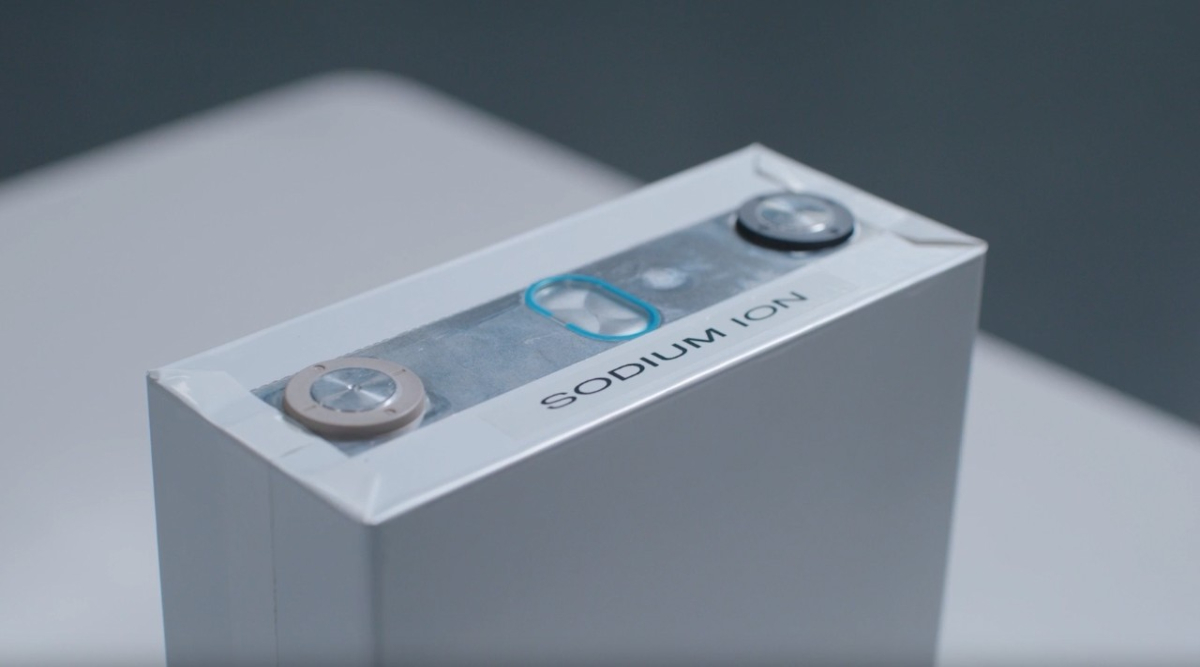
General Motors has announced a strategic shift towards producing sodium-ion batteries for energy storage, partnering with Peak Energy to develop and manufacture these cells. This move aligns with the ongoing incentives provided by the US Inflation Reduction Act, particularly the Section 45X Advanced Manufacturing Production Credit, which supports domestic battery production and critical mineral sourcing. GM will leverage its battery development expertise to create sodium-ion cells in its Michigan labs, while Peak Energy will integrate these cells into its proprietary, passively cooled energy storage systems, aiming to deliver cost-effective and reliable grid-scale storage solutions.
The collaboration is designed to capitalise on the technical and economic advantages of sodium-ion technology over traditional lithium iron phosphate (LFP) batteries commonly used in large-scale energy storage. Peak Energy’s passively cooled system eliminates the need for energy-intensive active cooling, reducing costs by approximately 20 percent and improving operational uptime to over 99 percent. This innovation could significantly decrease energy wastage associated with cooling systems, potentially saving up to 2 terawatt-hours annually in the US alone, while also enhancing safety and deployment speed.
Industry experts highlight the superior thermal tolerance and safety profile of sodium-ion batteries, which can operate efficiently at ambient temperatures up to 50 degrees Celsius—well above the limits of LFP systems. The technology also aims to meet rigorous safety certifications such as UL 9540A, which assesses fire propagation risks in battery energy storage systems. This certification is critical for ensuring the safety and reliability of grid-scale storage, underscoring sodium-ion’s potential to become a safer, more cost-competitive alternative in the energy storage market.
The partnership between GM and Peak Energy represents a broader trend among automakers and energy companies to diversify battery technologies beyond lithium-ion for stationary applications. GM’s Vice President of Battery and Sustainability, Kurt Kelty, emphasised that the choice of battery chemistry should be driven by the specific application, with sodium-ion emerging as the optimal solution for grid storage. This development signals a significant step towards advancing American leadership in energy innovation while addressing the growing demand for affordable and sustainable energy storage infrastructure.
Looking ahead, the collaboration aims not only to scale domestic manufacturing but also to strengthen supply chains and reduce reliance on foreign entities, in line with regulatory requirements under the Inflation Reduction Act. As the energy storage market expands, the adoption of sodium-ion batteries could play a crucial role in supporting grid resilience and facilitating the transition to a cleaner energy future. GM and Peak Energy’s initiative may well pave the way for broader commercial deployment of sodium-ion technology in the coming years.