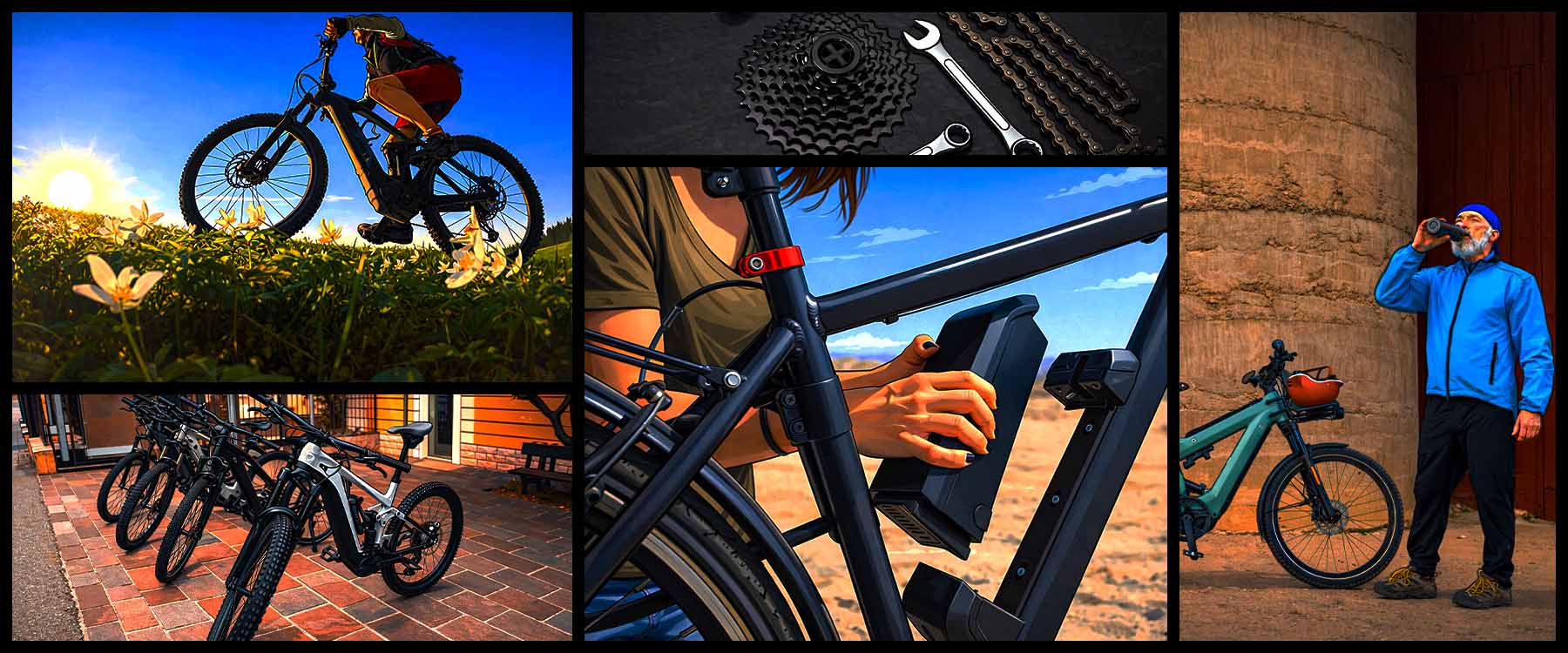
Bicycles, eBikes, eScooters & eMotocross Parts and Servicing at eMotoX Sports
Site Notice


Shop By Category
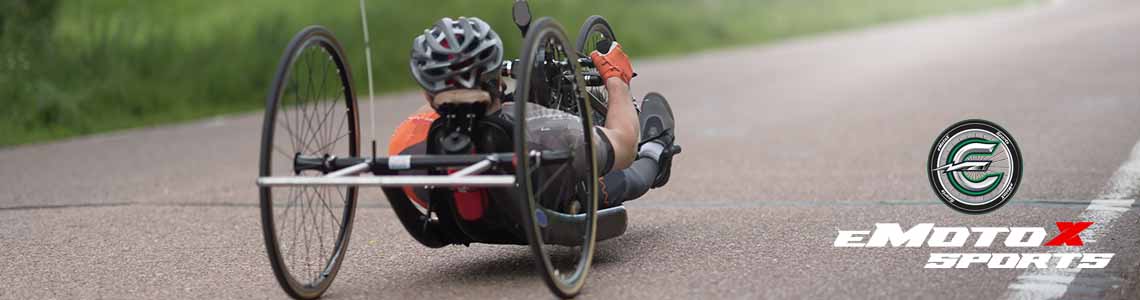
Recumbent eBike Repair – More then just a bike!
For many people, an eBike is a convenience. For others, it’s something far more important, it’s freedom, independence, and a vital part of staying physically and mentally healthy. Recently, we had a customer come to us at eMotoX Sports with…

Sur-Ron Light Bee Sprinkle Paint Job
Transform your bike with a Sur-Ron Light Bee Sprinkle Paint Job and discover why this customisation trend is taking the electric bike community by storm. From DIY Sur-Ron Paint techniques and Electric Dirt Bike Custom Paint ideas to professional powder-coated…

Michelin Starcross 5 Soft 90/100-16 Rear Tyre for Motocross
When motocross tracks turn muddy, sandy, loose, or heavily rutted, your rear tyre can completely change how the bike feels. Traction becomes everything. Without the right tyre, even powerful bikes struggle to put power to the ground effectively.

What Size Bike Do I Need?
Find out what size bike you need with our complete bike sizing guide covering mountain bikes, road bikes, BMX bikes, hybrid bikes, and electric bikes by height, frame size, wheel size, and riding style.

eBike Part Shortage
Waiting months for a replacement battery? Struggling to find a charger, controller, or motor for your electric bike? You’re not alone. Across the world, riders, repair shops, and manufacturers are dealing with an ongoing eBike parts shortage, with many components…

Electric Scooters Laws UK
A complete electric scooter buying guide covering battery life, range, safety features, portability, sustainable transport, and urban mobility solutions.
Custom Powder Coating Service

Servicing

External News

eMotocross News
View All →
Hayden Statt Wins Both 125cc Motos at Monster Mountain
Hayden Statt dominated the 125cc class at the British Motocross Championship round held at Monster Mountain, securing a clean sweep by winning both motos. His flawless performance ensured he took the overall victory with authority, leaving little doubt about his superiority on the day. Statt’s success at this event marks a significant highlight in his racing season, showcasing his skill and consistency on the challenging Monster Mountain track. Drew Stock delivered a strong performance to finish second overall, posting consistent results with a second and third place in the motos. His steady pace and ability to maintain top positions throughout the races allowed him to secure the runner-up spot comfortably. Meanwhile, Joel Winstanley Dawson overcame a difficult first moto, where he placed sixth, to bounce back impressively with a second-place finish in the second race, earning him third overall on the podium. The competition remained fierce behind the leading trio, with Harley Marczak and Olly Waters rounding out the top five overall. Both riders demonstrated solid racing skills and resilience to maintain their positions among the front runners. Their performances suggest promising potential for future rounds in the championship, as they continue to challenge the leaders and gain valuable experience in the highly competitive 125cc category. The results at Monster Mountain have significant implications for the championship standings, with Statt’s double victory boosting his title aspirations considerably. As the season progresses, the battle for the top positions is expected to intensify, with riders like Stock, Dawson, Marczak, and Waters all looking to close the gap. Fans and competitors alike will be watching closely to see how these riders build on their performances in upcoming rounds.

Double Victory for Ruben Fernandez in Montearagon
Ruben Fernandez delivered a commanding performance at the Spanish Motocross Championship round held in Montearagon, securing victories in both motos. Riding for HRC Honda, Fernandez showcased his skill and consistency, further solidifying his position at the top of the championship leaderboard. His double win marks a significant step in his campaign for the title this season. Jose Butron maintained a strong presence throughout the event, finishing as the runner-up in both motos. His consistent pace ensured he remained firmly in contention, though he was unable to challenge Fernandez’s dominance on the day. Victor Alonso completed the podium, taking third place in both races, demonstrating his competitiveness within the championship field. Fernandez’s performance in Montearagon not only highlights his current form but also places pressure on his rivals as the season progresses. With the championship lead now extended, his rivals will need to strategise carefully to close the gap in upcoming rounds. The results from Montearagon underscore the intensity of the competition and set the stage for an exciting continuation of the Spanish Motocross Championship.
eScooter News
View All →
How Fast Are Electric Scooters Really? We Measured Claimed vs Tested Top Speed
Electric scooters often advertise impressive top speeds, but real-world testing reveals most fall short of these claims. A recent GPS-based assessment of eight popular models found that seven did not reach their stated top speeds, averaging about 3.2 mph slower, or roughly 5.9% below the manufacturers’ figures. The only exception was the EMOVE RoadRunner V2, which slightly exceeded its claimed 34 mph, recording 35.4 mph in testing. These results highlight that while manufacturers’ numbers are aspirational and based on ideal conditions, the discrepancies are generally modest rather than extreme. The testing methodology involved riding each scooter flat-out on level ground with a rider weighing between 165 and 185 pounds, using GPS to measure actual speed. This approach excludes factors like downhill runs or tailwinds that could artificially inflate results. Variables such as rider weight, battery charge, terrain, temperature, and tyre type all contribute to the difference between claimed and real speeds. For instance, the fastest scooter tested, the Solar Hyperion RST, was measured at 57.5 mph on its off-road tyres—7.5 mph below its 65 mph claim—but the manufacturer notes that switching to street tyres can restore the full top speed. Some brands demonstrate notable accuracy in their speed claims. The Nami Klima missed its target by less than half a mile per hour, while the Segway SuperScooter GT2 was within 1.7 mph of its advertised figure. These close matches suggest a level of transparency that could extend to other product specifications. Conversely, scooters with higher claimed speeds tended to show larger absolute shortfalls, although the percentage difference remained relatively consistent across the board. The implications for riders are clear: achieving the claimed top speed requires optimal conditions, including a fully charged battery, proper tyre pressure, flat terrain, and a lighter rider. While manufacturers’ figures provide a useful benchmark, real-world performance will almost always be slightly lower due to practical riding circumstances. For those prioritising outright speed, the Solar Hyperion RST remains the standout option tested, combining powerful motors and stable handling at high velocity. Prospective buyers should consider these findings when evaluating scooter specifications and managing their expectations.
The Best Sit-Down Electric Scooters for Adults (2026)
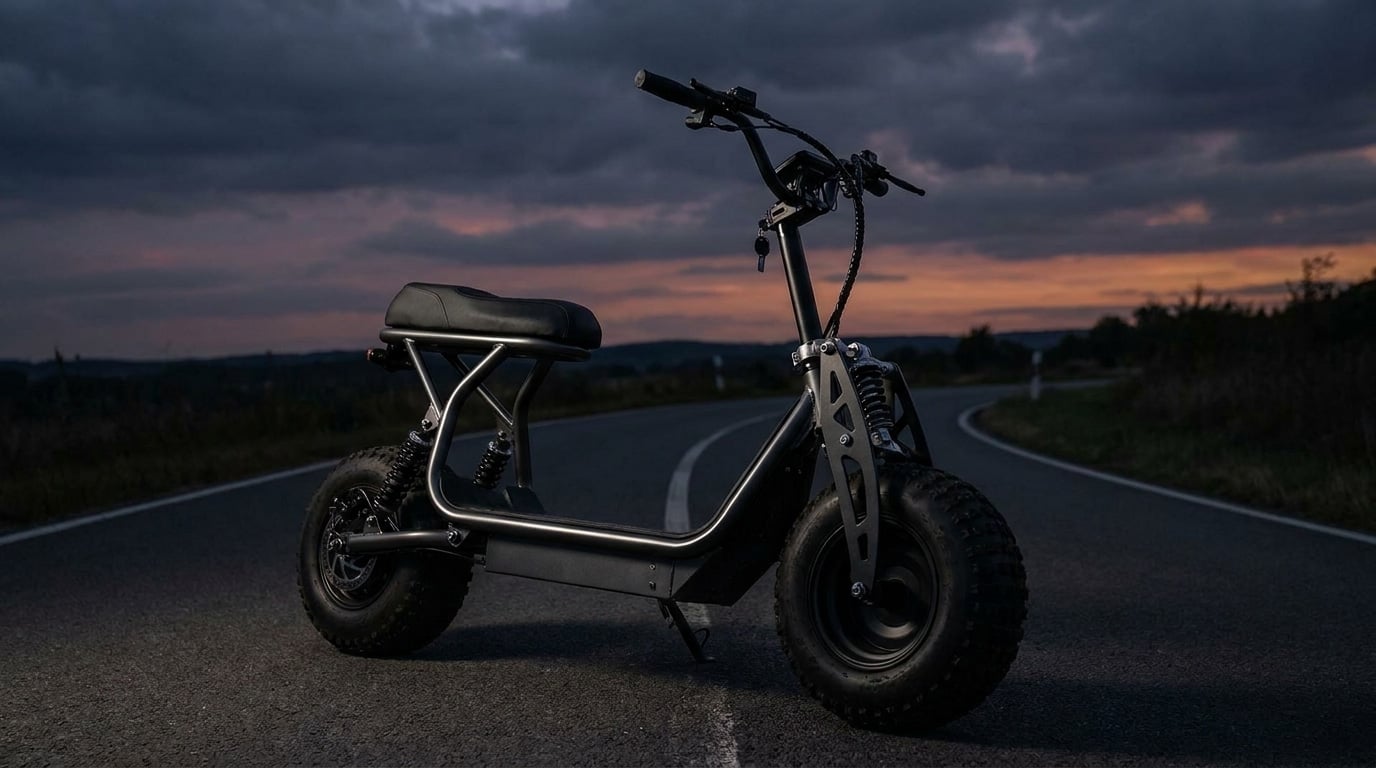
Sit-down electric scooters are transforming urban mobility by offering riders a more comfortable and relaxed experience compared to traditional standing models. The presence of a seat not only eases pressure on knees and backs but also enables longer journeys. These scooters generally fall into two categories: those with built-in seats integrated into the frame, such as the EMOVE RoadRunner series, and standing scooters that accept clip-on seats. Built-in seats tend to provide a superior ride quality due to the suspension being tuned alongside the seating, while clip-on options offer greater flexibility and affordability. The EMOVE RoadRunner V2 stands out as the best overall value for seated scooters in 2026. Priced under £1,200, it delivers a tested top speed of over 35 mph and a range of 35 miles, making it ideal for commuters seeking comfort and practicality. Its built-in memory foam seat and Manitou front suspension contribute to a smooth ride, while the removable battery allows convenient charging away from the scooter. This model strikes a rare balance between performance, comfort, and cost, making it a top recommendation for everyday riders. For those prioritising speed and luxury, the EMOVE RoadRunner Pro V2 is the flagship option, boasting a claimed 60 mph top speed and a plush memory foam seat. Its dual 2,000W motors, hydraulic suspension, and brakes cater to riders who demand high performance and comfort, with a weight capacity accommodating heavier users. However, its high price point and speed restrictions in many jurisdictions mean it is best suited for private property or less regulated areas rather than general street use. More budget-conscious riders can consider the Gotrax Flex, which offers a built-in seat and modest speeds suitable for urban environments and beginners. Meanwhile, scooters like the Varla Eagle One V2.0 and Hiboy S2 Pro provide options for those wanting either performance with an optional seat or an affordable commuter scooter with a clip-on saddle. The Kaabo Wolf King GT Pro caters to enthusiasts needing long range and power, though it requires a third-party seat addition. Overall, the seated scooter market in 2026 caters to a broad spectrum of riders, from casual commuters to high-speed thrill-seekers. Prospective buyers should weigh factors such as legal speed limits, ride comfort, and budget to find the best fit. The variety of built-in and add-on seat options ensures that riders can tailor their scooters to their specific needs, signalling a growing maturity and diversity in the electric scooter landscape.
eBike News
View All →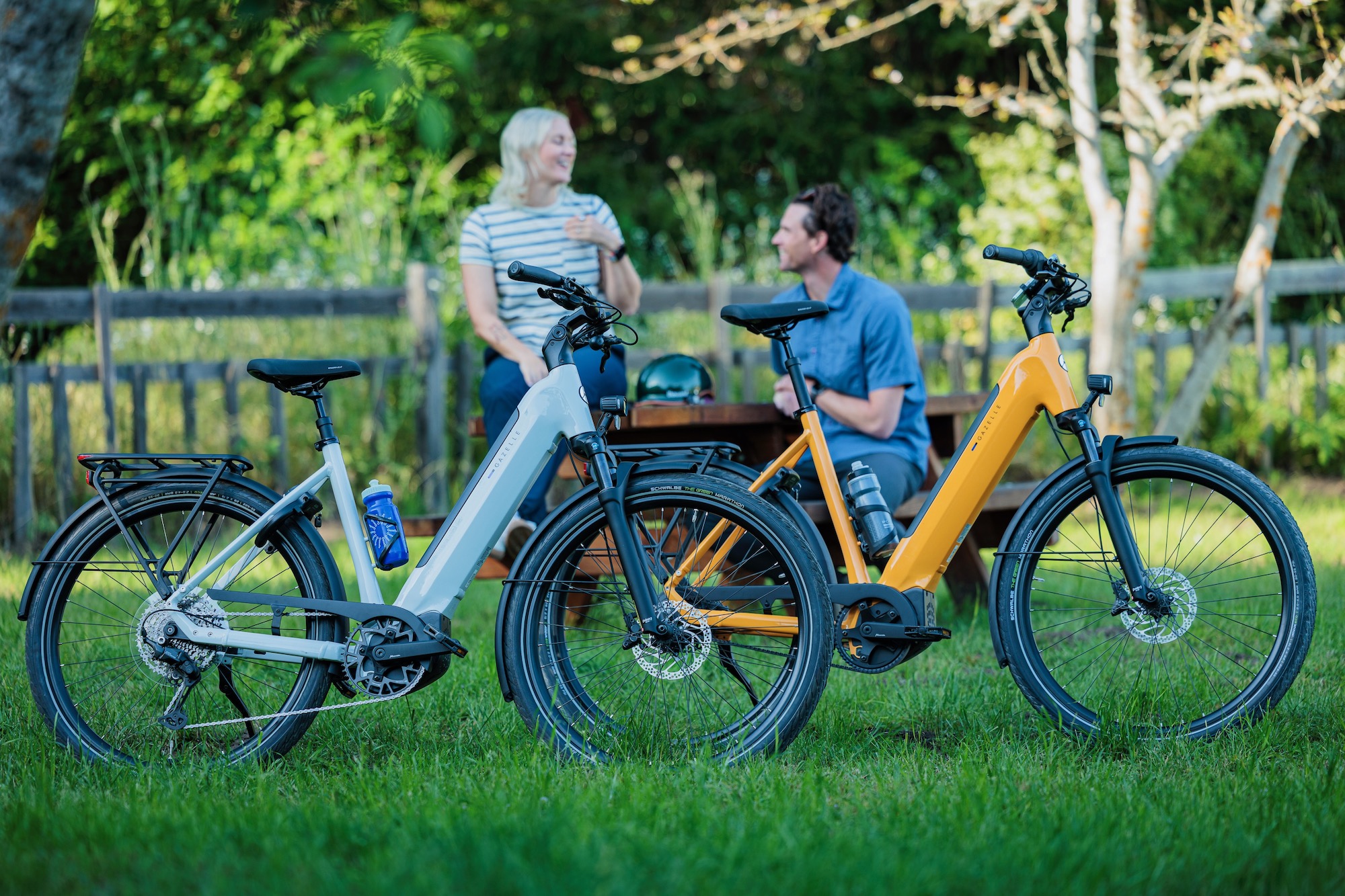
Gazelle’s New Class 3 Commuters, Specialized’s $12K Bikepacking eMTB, Washington Separates E-Bikes from E-Motos | TWR Ep 87
Gazelle has introduced two new Class 3 commuter e-bikes built on its updated Ultimate platform, aiming to blend performance with comfort and durability. Both models, the Ultimate C380+ 2.0 and the Ultimate T11+, feature Bosch Performance Line Sport mid-drives, hydraulic disc brakes, and a claimed range of up to 94 miles. The C380+ offers an 11-speed Shimano drivetrain and a step-thru frame, priced at $4,499, while the T11+ includes an Enviolo stepless CVT and Gates belt drive, available in step-thru or high-step frames for $4,999. Gazelle emphasises premium components and long-term reliability over initial cost, targeting serious commuters who value quality and control. Specialized has unveiled the S-Works Turbo Levo 4X, a high-end, bikepacking-ready full-suspension eMTB designed for multi-day backcountry adventures. This model boasts a carbon frame, an 850W peak power motor, an 840 Wh battery, and advanced suspension components from Fox, alongside a SRAM XX Eagle AXS drivetrain and hydraulic brakes. The bike features front and rear cargo racks capable of carrying nearly 50 lbs, with the racks also available separately for existing Turbo Levo owners. Priced at $12,000, the Levo 4X caters to a niche market of riders seeking a powerful, fully equipped eMTB for extended off-road touring. In legislative news, Washington State has enacted Senate Bill 6110, which redefines e-bike classifications by excluding vehicles capable of exceeding 20 mph solely on throttle power from the e-bike category. The bill maintains the existing three-class system but introduces new requirements for a work group to study electric motorcycle regulations. The practical enforcement of these distinctions will be closely monitored, as it may influence how e-bikes and electric motorcycles are regulated and used within the state. The cycling community also mourns the loss of mountain bike pioneer Charlie Cunningham, who passed away at 78. Cunningham’s innovations, including aluminium frame construction, grease injection bearings, cam rim brakes, and contributions to tyre development, have left a lasting impact on the sport. His achievements extended beyond engineering, with competitive successes and co-founding the influential company WTB. His legacy remains integral to mountain biking’s evolution and culture. Additional topics covered include a helmet recall affecting 520 Gudook helmets sold on Amazon and a comparison test between the Aventon Pace 5 REC and the Velotric Breeze 1 e-bikes. These stories, alongside the major announcements, provide a comprehensive update on the latest developments in electric cycling and motorsport.

Why pushback is growing against New Jersey’s crazy e-bike law
New Jersey’s recent legislation regulating electric bicycles has sparked significant controversy and growing opposition among riders and advocacy groups. The law imposes stringent restrictions on e-bike classifications, speed limits, and where these vehicles can be used, which many argue are overly harsh and out of step with the evolving e-bike market. Critics contend that the regulations effectively limit access to popular and practical e-bike models, undermining the benefits of this sustainable mode of transport. Key details of the legislation include strict speed caps and a narrow definition of what constitutes a legal e-bike, which excludes many common models that exceed these limits or feature certain motor configurations. The law also restricts e-bike use on certain paths and trails, further reducing their utility for commuting and recreational purposes. These measures have raised concerns about safety, enforcement practicality, and the potential stifling of e-bike adoption in a state where cycling infrastructure is still developing. Advocates and riders have voiced strong reactions, highlighting the disconnect between the law and the needs of the cycling community. Some have described the regulations as “draconian” and counterproductive, arguing that they discourage eco-friendly transport options and fail to recognise the technological advancements in e-bike design. Local cycling organisations are calling for revisions to align the rules with national standards and to support the growth of e-bike use in urban and suburban environments. The implications of New Jersey’s e-bike law could extend beyond state borders, as other regions watch closely to see how the regulations impact ridership and public safety. If the pushback continues to gain momentum, lawmakers may face pressure to amend the legislation to better accommodate the diverse range of e-bikes and the needs of riders. The ongoing debate underscores the challenges of crafting effective policies that balance innovation, safety, and accessibility in the rapidly expanding electric mobility sector.
Bicycle News
View All →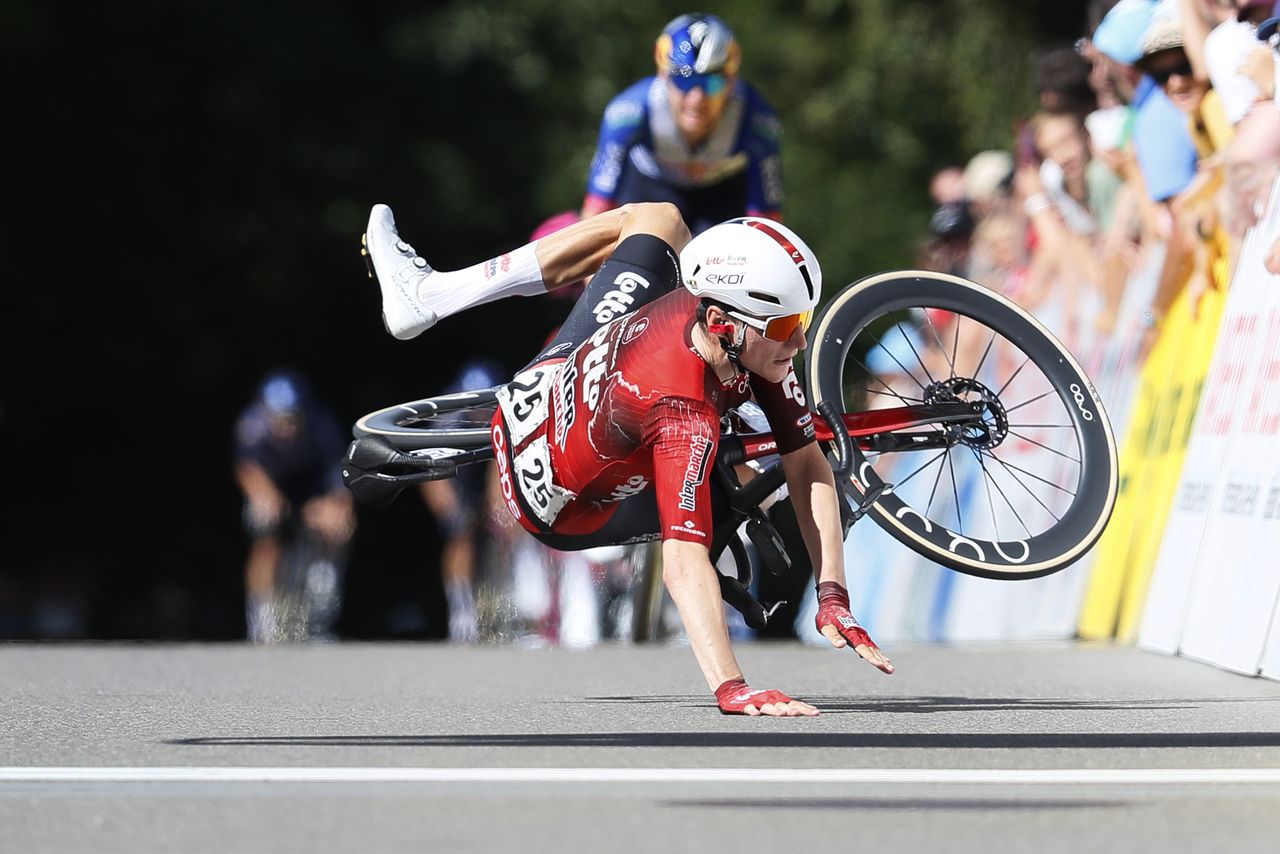
Crashing over the finish line, Liam Slock delivers an unforgettable first professional victory at GP Gippingen
Liam Slock secured his first professional victory in dramatic fashion at the GP Gippingen, a 176km UCI 1.1 race held in Switzerland. The 25-year-old Lotto-Intermarché rider managed to outpace a strong field that included notable names such as Aleksandr Vlasov and Richard Carapaz. His win was marked by an unusual and memorable finish, as he crashed over the line after celebrating prematurely, yet still managed to cross ahead of his rivals. Throughout the race, Slock remained well-positioned and confident, particularly after bridging a gap to Vlasov and Carapaz in the final stages. He conserved energy carefully once he joined the leading duo, which proved crucial in the uphill sprint to the finish. His decisive move created a significant enough lead that he felt comfortable enough to celebrate before crossing the line, a moment that ultimately led to his unexpected crash. The crash itself was caused by a gust of wind that knocked Slock’s handlebars from his grasp, sending him tumbling over the finish line. Despite the fall, he maintained his lead and secured the victory, a moment he described with humour as a “story worth framing.” The incident added a dramatic twist to an already impressive performance, underscoring the unpredictable nature of racing. Slock’s triumph at GP Gippingen not only marks a major milestone in his career but also highlights his potential among the sport’s elite. His ability to stay composed under pressure and seize the opportunity against top competitors bodes well for future races. The victory will surely boost his confidence and reputation within the professional peloton as he continues to develop.
UCI Gravel World Series: Hugo Drechou and Sophie Wright surge to victory in opening French round at Wish One
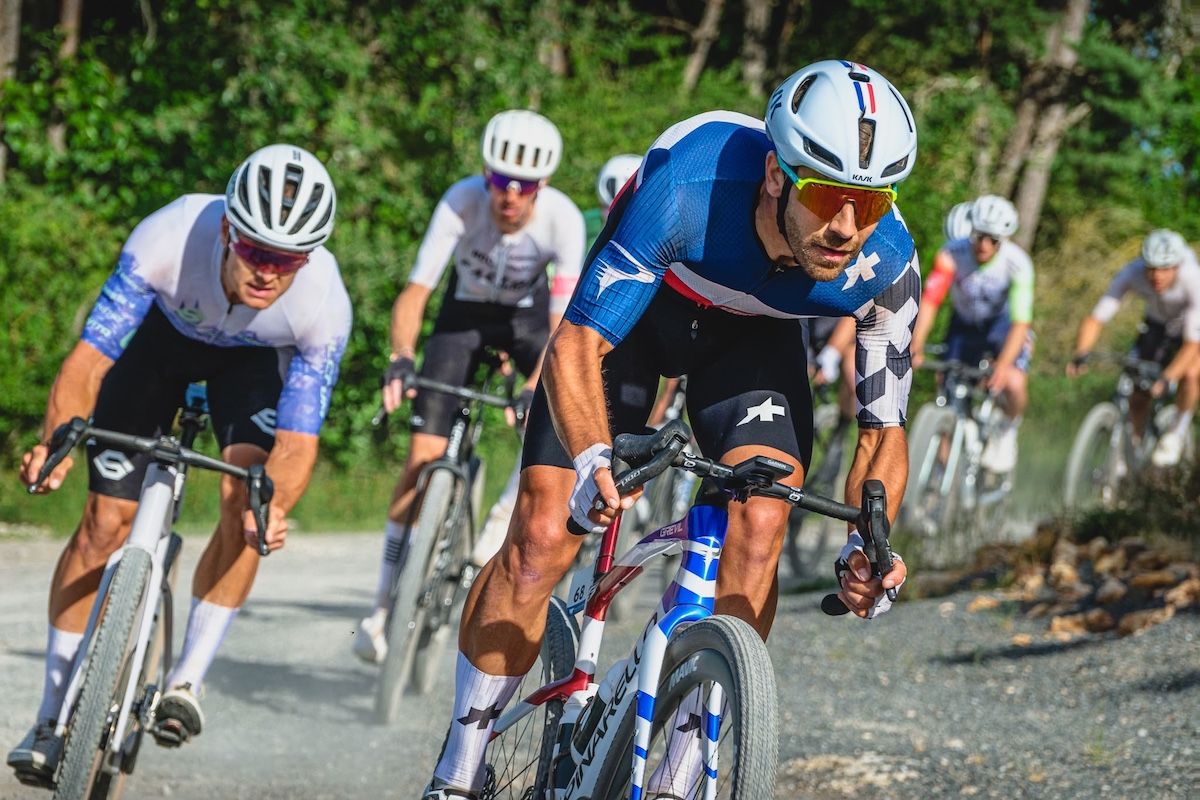
Hugo Drechou and Sophie Wright emerged victorious at the Wish One Millau Grands Causses, the opening French round of the UCI Gravel World Series. Drechou, the French national champion, secured the men’s title after a closely contested finish, narrowly beating Jente Michels by four seconds. The 130km course, featuring over 2,000 metres of climbing, was completed by Drechou in just over four hours, with 2023 winner Toby Perry taking third place. In the women’s race, Sophie Wright delivered a commanding solo performance, breaking away before the halfway point and extending her lead over challenging climbs and technical gravel sections. Wright crossed the line more than 23 minutes ahead of Sofia Schugar, with Leonie Laubig finishing third. This win marked Wright’s second victory of the season in the series, following her earlier success at Monaco Gravel, while it was Drechou’s first UCI Gravel World Series triumph in 2024. The Wish One Millau Grands Causses has been a staple on the UCI Gravel World Series calendar since its inception in 2022, serving as a key event in the lead-up to the World Championships. The next French round, the Pyrénées Catalanes Gravel Tour, is scheduled for late September and will act as a qualifier for the World Championships, which will take place in Nannup, Western Australia, in October. Both Drechou and Wright’s performances position them as strong contenders heading into the final stages of the series. The race highlighted the growing competitiveness and prestige of gravel racing within the cycling world, with riders demonstrating endurance and technical skill across demanding terrain. Drechou’s narrow victory and Wright’s dominant solo ride underscore the tactical variety and physical demands of gravel events. As the series progresses, attention will turn to how these athletes build on their form and adapt to upcoming challenges on the road to the World Championships.
EV News
View All →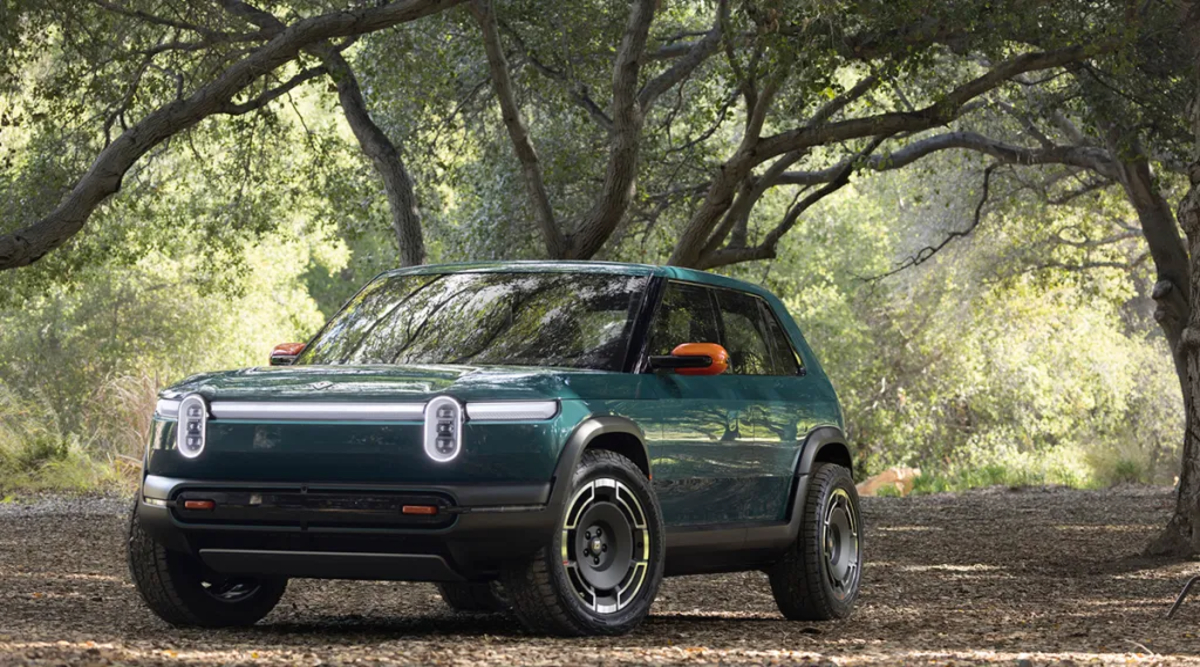
Rivian R3 & R3X Will Go On Sale … Eventually
Rivian has confirmed plans to bring its R3 and R3X electric SUVs to market, although the launch remains some years away. These models were initially revealed alongside the R2 electric SUV earlier this year, with the R3 positioned as the company’s most affordable offering and the R3X aimed at buyers seeking enhanced performance and off-road capabilities. Production is expected to begin before the end of the decade, with manufacturing set to take place at a new facility in Atlanta, Georgia, slated for completion in 2028. While detailed specifications have yet to be released, the R3 and R3X will share the same platform as the R2 and offer two battery sizes, including a larger option promising an EPA-estimated range exceeding 300 miles. Both models will support the North American Charging Standard (NACS), allowing compatibility with Tesla Superchargers, and Rivian claims fast-charging capability from 10 to 80 percent in under 30 minutes using high-power Level 3 chargers. Performance variants will feature single-, dual-, and tri-motor configurations, with the latter capable of accelerating from 0 to 60 mph in under three seconds, a notable achievement for a vehicle expected to be priced below $45,000. The R3X will serve as the sporty, off-road-focused version, featuring increased ground clearance, a potential off-road suspension package, and distinct styling elements such as unique two-tone accents and specialised wheels and bumpers. Rivian’s design chief has cited 1980s Group B rally cars, like the Audi Quattro and Lancia Delta Integrale, as inspirations for the angular hatchback design, although some observers have noted a resemblance to classic front-wheel-drive models like the Plymouth Horizon. This blend of retro influence and modern technology aims to appeal to a broad range of electric vehicle buyers. Industry commentators suggest that Rivian’s timing could be advantageous amid shifting market dynamics. With Tesla facing criticism over its leadership and legacy automakers retreating from ambitious electric vehicle plans, Rivian may capture a growing segment of buyers seeking EVs from dedicated manufacturers. This could support Rivian’s ambitions to scale production and achieve profitability, especially as the company benefits from strategic investments, including billions from Volkswagen aimed at developing robust software platforms. Overall, the R3 and R3X represent a significant step in Rivian’s evolution from a niche electric truck maker to a broader mass-market player. Although the wait for these models will be lengthy, their combination of affordability, performance, and advanced charging compatibility positions them as compelling options in an increasingly competitive electric SUV market. The coming years will reveal how Rivian navigates production challenges and market opportunities as it seeks to expand its footprint in the electric vehicle sector.

EV-Friendly RVs With Big Trailer Features? It’s No Longer Impossible.
Electric vehicle (EV) owners looking to tow travel trailers have long faced significant challenges, primarily due to the drastic reduction in driving range caused by heavy, aerodynamically inefficient campers. However, a recent video from the Playing with Sticks YouTube channel highlights a range of Encore RV trailers designed specifically with EV towing in mind. These compact campers offer a blend of practical features and aerodynamic design that could transform off-grid adventures for electric pickup and SUV drivers, allowing them to tow without sacrificing efficiency or range. The video showcases three models from Encore RV, each tailored to different needs while maintaining a focus on low profile and utility. The 12RKFB stands out for its ability to fit under a standard 7-foot garage door, making it ideal for towing behind an electric pickup without adding significant aerodynamic drag. It includes innovative features such as an instant-up outdoor wet bath, 400 watts of slide-out solar panels, and a slide-out rear kitchen, all housed in a robust, wood-free aluminium frame. The 14RKB model offers a taller design with a full indoor climate-controlled bathroom, sacrificing some aerodynamic benefits for added comfort. Meanwhile, the 12BH bunkhouse model combines the garageable height with a clever bunk bed system to accommodate small families, packing considerable functionality into a compact footprint. A key technical highlight for EV users is the trailers’ electrical system, which includes a DC-to-DC charging capability that can draw up to 62 amps from the tow vehicle while driving. This feature allows the trailer’s battery bank to be replenished en route, reducing reliance on solar power alone and ensuring the camper is fully charged upon arrival. However, the video cautions that EV owners should consult qualified mechanics to avoid potential damage from excessive power draw, underscoring the importance of professional advice when integrating these systems. The aerodynamic advantages of these trailers address one of the biggest obstacles in EV towing: drag. Unlike traditional bulky trailers that act like parachutes on the highway, these low-profile, garageable designs fit snugly behind the tow vehicle, significantly reducing air resistance. This aerodynamic efficiency translates into less energy consumption, enabling EV drivers to venture further afield without frequent charging stops. By tackling the drag issue rather than just focusing on trailer weight, these Encore RV models represent a meaningful step forward in making electric RVing more practical and enjoyable. As electric vehicles continue to grow in popularity, innovations like these trailers could reshape the landscape of recreational vehicle travel, making off-grid exploration more accessible and sustainable. The combination of smart design, efficient power management, and aerodynamic optimisation offers a promising future for EV owners seeking to combine their passion for adventure with environmental responsibility.

New World Record Set For Solar Module With Perovskite
Two new world records have been established in solar module efficiency, highlighting significant advances in solar technology. The Fraunhofer Institute for Solar Energy Systems in Germany set a record with a 34.2% conversion efficiency for a module composed of triple III-V germanium cells. This achievement was made possible by a novel technique that connects solar cells directly, eliminating the shading caused by traditional interconnects and maximising active cell area. Meanwhile, Chinese firm Trinasolar claimed a 29.2% efficiency record for tandem perovskite-silicon solar modules, verified by TÜV SÜD, marking a notable milestone for perovskite technology in industrial-scale applications. The Fraunhofer team’s approach to bypassing conventional soldered copper ribbons in module fabrication has been a key factor in reaching such high efficiency levels. By improving area utilisation, their germanium-based modules demonstrate the potential for enhanced solar performance beyond current industry standards. This breakthrough comes amid ongoing US government investment in germanium supply chains, driven largely by defence priorities. The Department of Defense has allocated significant funding to boost domestic production of germanium substrates, which are critical not only for solar cells but also for various military electro-optical and infrared systems. Trinasolar’s record-setting tandem perovskite-silicon module underscores the growing commercial viability of perovskite materials, which offer a cost-effective way to increase solar cell efficiency. Perovskite’s combination with silicon provides both durability and improved energy conversion, enabling the production of more powerful solar modules that are suitable for industrial use. This advancement could lead to lower overall costs for solar installations by reducing the required space and associated expenses such as land acquisition and maintenance, while also easing end-of-life recycling challenges. In the United States, despite fluctuating federal energy policies, innovation in perovskite solar technology continues unabated. California-based startup Tandem PV exemplifies this progress, having earned repeated recognition for its work in applying perovskite layers to silicon cells to boost efficiency and reduce costs. Such developments suggest that the US remains engaged in the race to commercialise next-generation solar technologies, even as government support shifts focus. Together, these breakthroughs point toward a future where solar power becomes increasingly efficient, affordable, and integrated into both civilian and defence energy systems.
-

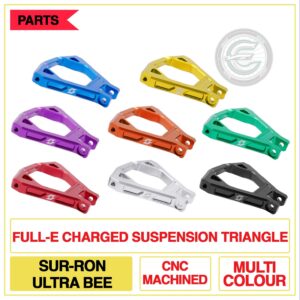
Full-E Charged Rear Reinforced Suspension Triangle for Ultra Bee
£48.99 This product has multiple variants. The options may be chosen on the product page -
Urban Pro – Surron LBX and L1E Heavy Duty Sump Bash Guard
£54.99 This product has multiple variants. The options may be chosen on the product page -
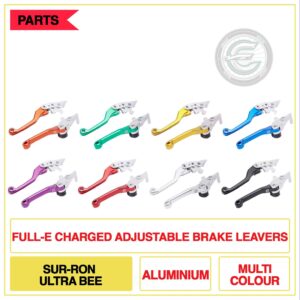
Full-E Charged Adjustable Brake Levers for Ultra Bee
£41.99 This product has multiple variants. The options may be chosen on the product page