EV news article header featuring electric vehicle news, EV charging station, electric car updates and industry insights

News Menu

bicycle news feed and industry updates for eBike and cycling news
Click for Bicycle News
latest eBike news aggregator covering electric bike updates, reviews and industry trends
Click for eBike News
electric motocross news feed with latest dirt bike updates, reviews and industry insights
Click for eMotocross News
latest eScooter news aggregator featuring electric scooter news feed, updates, reviews and industry trends
Click for eScooter news
Article By:
CleanTechnica
2026-05-28 00:03:34

When Oil Shocks Hit Home: Why Africa’s Buses Must Go Electric

Summary By: eMotoX
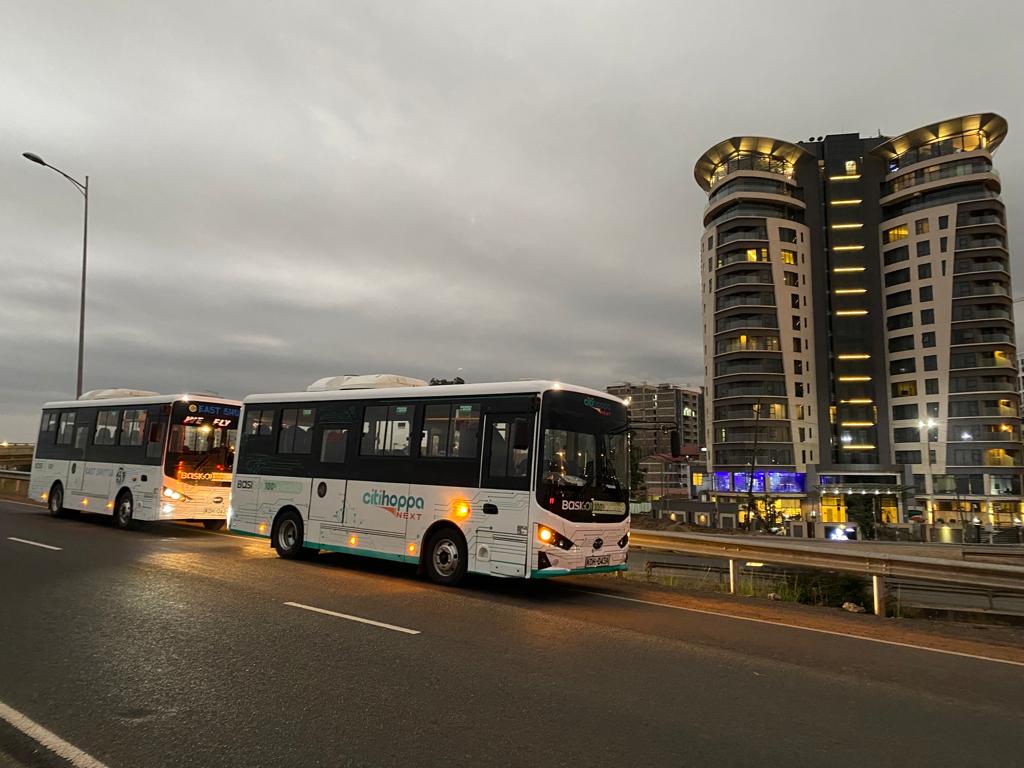
Recent geopolitical tensions have once again exposed the vulnerabilities of Africa’s oil-dependent economies, with Kenya serving as a prime example. The country imports nearly all its fuel, spending around $5 billion annually, which places significant strain on its foreign exchange reserves and subjects its economy to volatile global oil prices. In Nairobi, where buses are the main mode of public transport for millions, fluctuations in fuel costs quickly translate into higher fares and increased living expenses, adversely affecting household budgets. The current situation highlights a critical opportunity for African cities to transition towards electric mobility, particularly in public transport. Buses account for roughly 40% of urban journeys and are overwhelmingly reliant on diesel, linking everyday life directly to global fuel markets. Rising diesel prices—up to 80% in East Africa in recent years—force operators to either absorb unsustainable costs or hike fares, making transport less affordable. Governments also face mounting pressure as fuel imports drain foreign reserves and push up the cost of goods reliant on transport, revealing a structural economic weakness tied to import dependence. Kenya’s energy landscape demonstrates that a shift to electric buses is not only feasible but economically sensible. With over 90% of its electricity generated from renewables such as geothermal, hydropower, and wind, the country produces significant surplus clean energy during off-peak times. Electric buses offer a practical solution to harness this excess power, providing operators with more predictable and stable running costs through models like Pay-As-You-Drive. Although electric buses currently represent less than 1% of Nairobi’s fleet, increasing their share to 20–30% could substantially reduce the impact of fuel price shocks on both operators and commuters. Beyond economic resilience, electrifying buses addresses pressing environmental concerns. The transport sector is a major contributor to urban air pollution and carbon emissions in Africa, exacerbating climate change. Electric buses produce zero tailpipe emissions, presenting a clear path towards decarbonising urban transport. The broader energy debate on the continent must therefore shift from merely expanding power generation to strategically using that power to reduce reliance on imported fuels and enhance economic independence. Ultimately, Africa’s energy security hinges less on discovering new fuel sources and more on transforming how transport systems are powered. By embracing electric mobility, the continent can shield its economies and citizens from the volatility of global oil markets. While Africa cannot control oil prices, it can control the energy mix that powers its transport networks, making electric buses a crucial step towards a more stable and sustainable future.