EV news article header featuring electric vehicle news, EV charging station, electric car updates and industry insights

News Menu

bicycle news feed and industry updates for eBike and cycling news
Click for Bicycle News
latest eBike news aggregator covering electric bike updates, reviews and industry trends
Click for eBike News
electric motocross news feed with latest dirt bike updates, reviews and industry insights
Click for eMotocross News
latest eScooter news aggregator featuring electric scooter news feed, updates, reviews and industry trends
Click for eScooter news
Article By:
CleanTechnica
2026-06-05 15:10:10

Trump Doubles Down On Coal Power, Just In Time For The Midterms Elections

Summary By: eMotoX
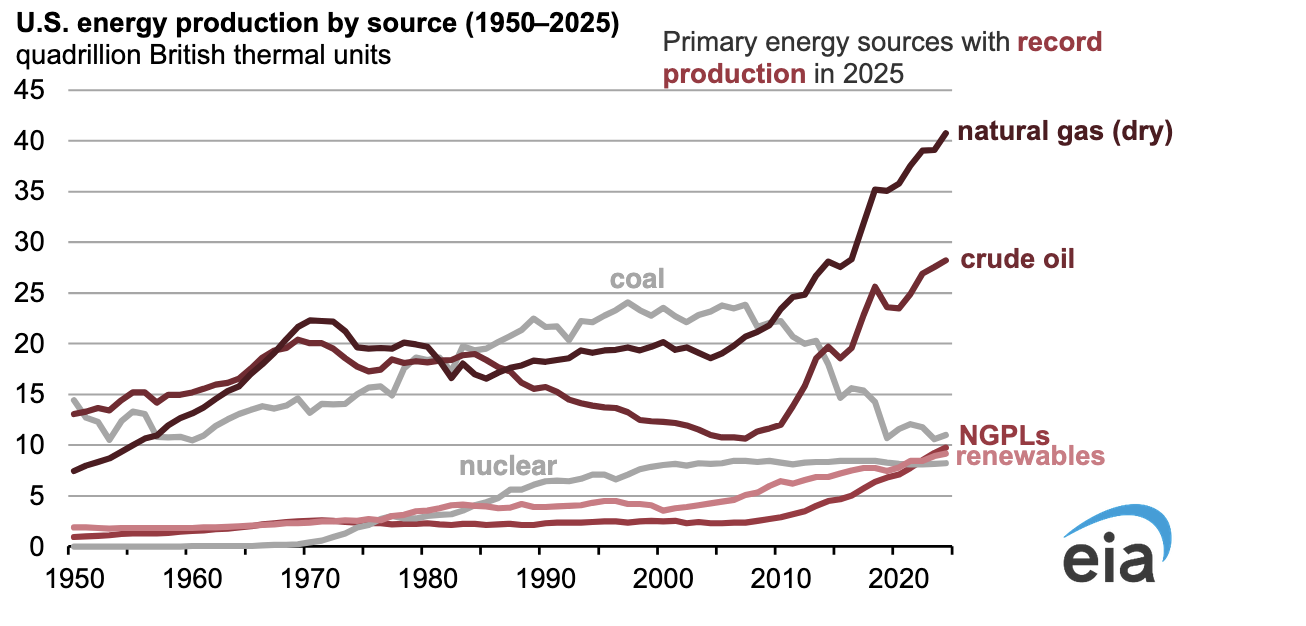
US President Donald Trump has announced a substantial investment of $1 billion aimed at reviving the coal power sector, including funding for new coal plants, maintaining ageing facilities, and expanding coal export infrastructure. This move comes amid rising electricity costs and ahead of the 2026 midterm elections, positioning coal as a central element of Trump’s energy strategy. Despite his vocal commitment to restoring coal jobs and industry prominence, the initiative faces significant challenges given the broader energy market dynamics and ongoing shifts towards cleaner power sources. Coal’s decline in the US power sector is largely attributed to competition from natural gas and the rapid growth of renewables such as wind and solar, which offer cheaper and more sustainable electricity generation. Although coal consumption by power plants increased by 12% last year, coal exports have fallen sharply, particularly due to tariffs imposed by China and a global market with weak demand and oversupply. Furthermore, the US Energy Information Agency (EIA) reports that coal plant retirements, though slightly delayed by emergency orders, continue to be planned, reflecting utilities’ preference for more modern and cost-effective energy solutions. Energy Secretary Chris Wright’s emergency orders have temporarily slowed the closure of coal plants, but these measures lack a clear, immediate justification beyond political motivations. Utilities have expressed scepticism about the viability of maintaining old coal plants, citing high operational costs and maintenance difficulties. For example, the R.M. Schahfer coal plant in Indiana remains offline for repairs and is unlikely to resume operation soon, with the utility relying instead on new wind, solar, and battery storage capacity to meet demand. This situation underscores the growing dominance of renewables and natural gas in the US energy mix. Labour market conditions also complicate Trump’s coal revival plans, as coal producers struggle to attract and retain workers despite increased demand from power plants. This shortage highlights the structural challenges facing the coal industry, which has been shrinking for decades due to mechanisation and changing energy economics. The Biden administration and other stakeholders continue to promote renewable energy and advanced technologies, including geothermal and hydropower, which are poised to further erode coal’s share in the US energy landscape. Overall, Trump’s renewed focus on coal appears to be more of a political gesture than a sustainable energy policy. While the billion-dollar investment may provide short-term support for coal interests, the broader trends in energy production and market forces suggest that coal’s role in the US power sector will continue to diminish. The midterm elections will likely see this issue debated vigorously, with Democrats capitalising on the economic and environmental drawbacks of pro-coal policies.