Article By:
CleanTechnica
2026-04-08 03:36:49
Trump Administration Finalizes Methane Rule That Will Loosen Restrictions on Gas Flaring, Increase Pollution
Summary By: eMotoX
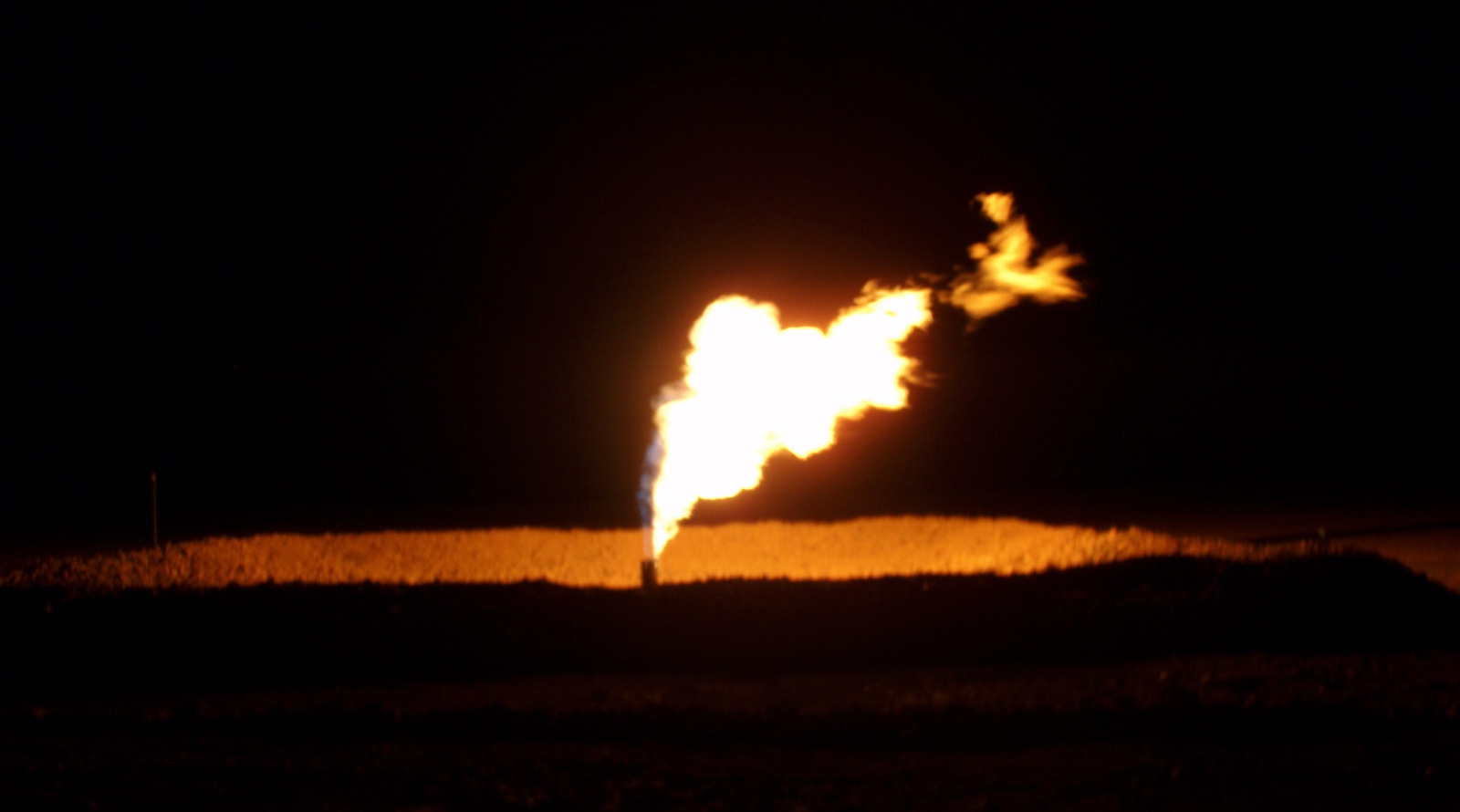
The Environmental Protection Agency (EPA) under the Trump administration has finalised a reconsideration of the 2024 methane rule, significantly easing restrictions on gas flaring at oil wells. This move reverses earlier regulations introduced in December 2023, which had set the first-ever methane pollution standards for existing equipment and strengthened controls for new sources. The rollback is expected to increase methane emissions, exacerbating climate change and air pollution concerns.
Environmental groups have strongly criticised the decision, highlighting the detrimental impact on public health and the environment. Mahyar Sorour, Director of Beyond Fossil Fuels Policy at the Sierra Club, condemned the rollback as a step backwards that will worsen smog and soot pollution in vulnerable communities. Sorour also emphasised the economic implications, noting that the move comes at a time when many families are struggling with rising energy costs, and called for a shift towards clean, renewable energy sources.
Regional activists echoed these concerns, particularly in areas heavily affected by oil and gas operations. Antoinette Reyes from the Sierra Club’s Rio Grande Chapter pointed out that states like New Mexico have already banned routine venting and flaring in the Permian Basin to curb environmental damage and economic waste. She warned that the federal rollback undermines these state-level efforts by allowing operators to continue polluting unchecked, which could worsen air quality and hinder accountability across state borders.
Texas, the nation’s largest oil and gas producer, was also highlighted as a key area of concern. Cyrus Reed, Legislative and Conservation Director for the Sierra Club’s Lone Star Chapter, criticised the loosening of federal standards as a misguided policy that prioritises industry interests over environmental protection and community health. He stressed that weak regulations in Texas already contribute significantly to methane emissions, and further rollbacks risk entrenching this problem.
The rollback marks a significant shift in US environmental policy, with implications for climate change mitigation and public health. It underscores ongoing tensions between fossil fuel interests and environmental advocates, as well as the challenges of coordinating effective regulation across federal and state levels. The decision is likely to face continued opposition from environmental groups and could influence future regulatory and legal battles over methane emissions standards.