Article By:
CleanTechnica
2026-04-25 03:59:49
The Beloved Emperor Penguin & Antarctic Fur Seal Are Now Officially Endangered. Here’s What Can Be Done.
Summary By: eMotoX
Emperor penguins and Antarctic fur seals have both been officially classified as endangered, marking a significant and alarming shift in the conservation status of these iconic Southern Ocean species. This designation comes just over a century after the first emperor penguin breeding colony was discovered by British explorer Robert Falcon Scott in 1902. The rapid decline in their populations underscores the dramatic environmental changes occurring in Antarctica, driven primarily by climate change and exacerbated by recent outbreaks of avian influenza.
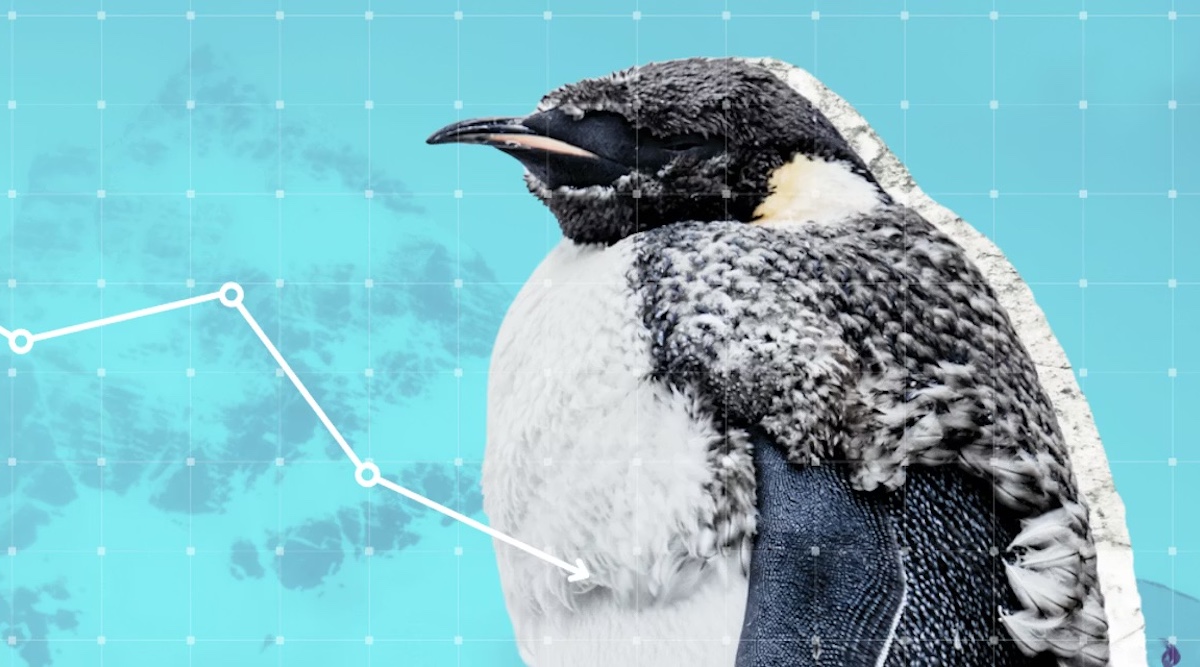
The decline in emperor penguin numbers has been linked closely to the loss of sea ice, which is crucial for their breeding and chick-rearing activities. Between 2009 and 2018, their population fell by 10%, with projections suggesting a potential halving by 2073 if current trends continue. Antarctic fur seals, once hunted to near extinction in the 19th century, experienced a remarkable recovery by the late 20th century but have since seen their numbers drop by over 50% in the past two decades. This rapid downturn has pushed them from a status of “least concern” to endangered, highlighting the severity of the threats they face.
Climate change is the primary driver behind these declines, affecting the availability of Antarctic krill, a key food source for both species. Warming waters and shrinking sea ice have caused krill populations to move further south and deeper, making them less accessible to predators. Additionally, increased competition from recovering whale populations has further strained food resources. The recent spread of highly contagious avian influenza has compounded these pressures, causing significant mortality among emperor penguins, fur seals, and southern elephant seals, the latter of which has now been classified as vulnerable due to severe pup mortality and declines in breeding adults.
Despite being among the better-studied Antarctic predators, there remain substantial gaps in understanding the full extent of population dynamics and health among these species, largely due to the remoteness and harsh conditions of their habitat. Many other Antarctic ice seal species have unknown population trends, underscoring the urgent need for enhanced, real-time monitoring and research. Conservation efforts must focus on protecting critical habitats, reducing human impacts such as industrial fishing, and addressing the broader threat of climate change through rapid reductions in greenhouse gas emissions to prevent irreversible losses in Antarctic biodiversity.
The endangered status of emperor penguins and Antarctic fur seals serves as a stark indicator of the rapid environmental transformations underway in the Southern Ocean. Without decisive and sustained conservation action, alongside global efforts to mitigate climate change, these emblematic species face an uncertain future, potentially disappearing from their native Antarctic ecosystem within this century.