Article By:
CleanTechnica
2026-05-20 15:35:22
Tesla, Wipers, And The Malevolent Mr. Musk
Summary By: eMotoX
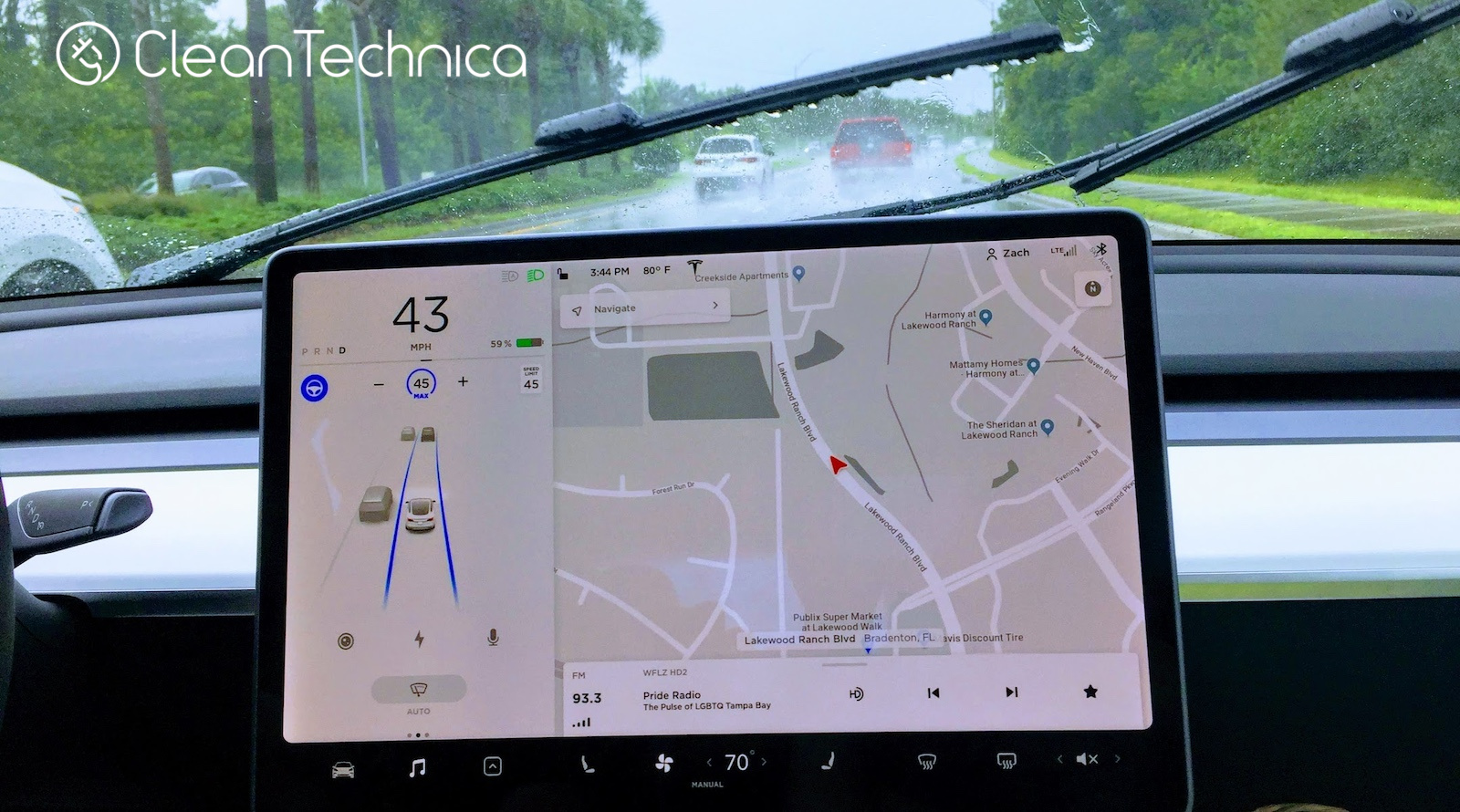
Tesla’s “Full Self Driving” (FSD) system has come under scrutiny following reports of its inadequate performance during heavy rain, particularly concerning the vehicle’s windshield wipers. A Tesla Model Y owner recounted a harrowing experience driving through a torrential downpour where the automatic wipers failed to activate properly, forcing manual intervention that proved unreliable and erratic. Despite issuing voice commands, the wipers operated inconsistently, sometimes pausing or continuing after the rain had stopped, raising serious safety concerns about the vehicle’s ability to maintain driver visibility in adverse weather.
The malfunctioning wipers highlight broader issues with Tesla’s focus on advanced autonomous driving features at the expense of fundamental vehicle functions. Industry observers and Tesla owners have long criticised the company for neglecting essential elements such as reliable wiper control, which is vital for safe driving. The author and CleanTechnica’s Zachary Shahan suggest that Elon Musk’s preoccupation with FSD and robotaxi ambitions has led to a disregard for basic safety features, undermining confidence in the system’s readiness for real-world conditions. This raises the question of whether it is prudent to trust a self-driving system that struggles with such a fundamental task as keeping the windshield clear.
Beyond technical frustrations, the article touches on a wider critique of Musk’s approach to innovation, suggesting a dangerous prioritisation of cutting-edge technology over practical safety measures. The author draws parallels with other Tesla design concerns, such as the lack of emergency procedures for rear door access if the 12-volt battery fails, illustrating a pattern of oversight that could jeopardise passenger safety. This critique frames the debate as one between blind faith in automation and the necessity of maintaining human judgement and fail-safes in vehicle design.
The article then shifts focus dramatically to a humanitarian crisis in Somalia, highlighting the devastating impact of reduced international aid amid ongoing drought and conflict. The closure of the Strait of Hormuz and cuts to funding by governments worldwide have left millions facing starvation, with relief agencies forced to ration aid to those in the most critical condition. The World Food Program’s Somalia director starkly describes the grim reality of prioritising who receives life-saving assistance, underscoring the scale of human suffering exacerbated by geopolitical and economic decisions.
This juxtaposition serves to underscore the broader theme of leadership and responsibility, implicitly contrasting Musk’s technological ambitions with global humanitarian failures. The article suggests that while technological progress is pursued with zeal, urgent human needs and safety concerns—whether on the road or in crisis zones—are too often neglected. The implication is a call for greater accountability and a more balanced approach that values both innovation and practical, ethical considerations.