Article By:
CleanTechnica
2026-04-25 18:48:02
Should We Dam The Bering Strait To Keep The AMOC From Collapsing?
Summary By: eMotoX
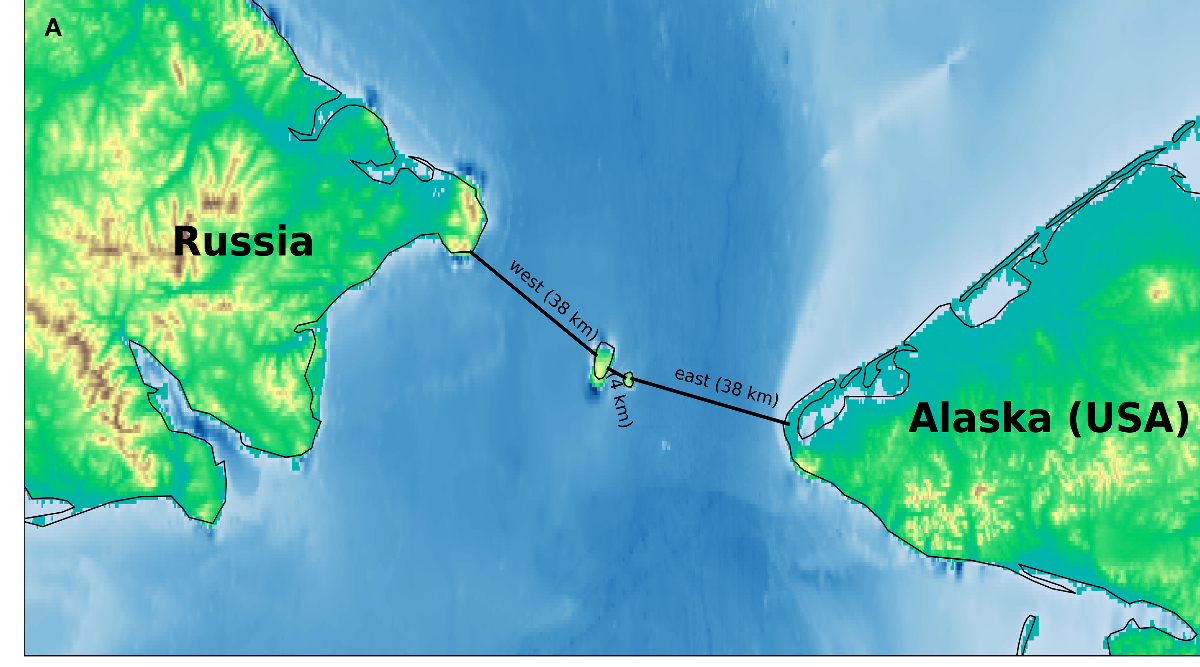
Scientists from Utrecht University have proposed an ambitious geoengineering solution to prevent the collapse of the Atlantic Meridional Overturning Circulation (AMOC), a crucial component of the Earth's climate system. Their study suggests constructing a 55-mile dam across the Bering Strait, a relatively shallow waterway between Russia and Alaska, to regulate the flow of freshwater from the Pacific into the Arctic Ocean. By controlling this freshwater influx, the dam could help maintain the salinity and temperature balance that drives the AMOC, potentially extending the circulation's stability under certain climate conditions.
The AMOC is responsible for transporting warm, salty water from the tropics northwards along the Atlantic, influencing the climate of northern Europe and the eastern seaboard of North America. Its weakening or collapse would have severe consequences, including colder climates in Europe comparable to those of Toronto, shorter growing seasons, and significant disruptions to agriculture and food security. The researchers’ modelling indicates that if the AMOC remains sufficiently strong at the time of the dam’s closure, the intervention could increase the carbon budget that the circulation can safely withstand. However, if the AMOC is already weakened by high freshwater influx, the dam might exacerbate its decline.
The timing of such an intervention is critical, and experts remain cautious about the feasibility and risks involved. Climate scientists highlight that the AMOC is already showing signs of weakening, and it remains uncertain how close it is to a tipping point. While the dam could theoretically stabilise the system if implemented promptly, a delayed or poorly timed closure might worsen the situation. Moreover, the potential environmental impacts and geopolitical challenges of building such a structure in a remote and sensitive region raise further concerns.
Reactions to the proposal underscore the complexity of balancing climate intervention with natural processes and human interests. Some experts argue that the most effective way to preserve the AMOC is to reduce greenhouse gas emissions and halt fossil fuel use, rather than relying on large-scale engineering projects. Others acknowledge that while the idea may seem radical, exploring all possible options is necessary given the potentially catastrophic consequences of an AMOC collapse. Nonetheless, the permanence of such a dam and the difficulty of reversing its effects add layers of uncertainty to this already contentious proposal.
Ultimately, the study opens a new avenue for climate intervention research but also serves as a reminder of the urgent need to address the root causes of climate change. As the world grapples with complex environmental challenges, the question remains whether humanity should attempt to control natural systems through engineering or focus on reducing emissions to prevent reaching such critical tipping points in the first place.