Article By:
CleanTechnica
2026-05-19 03:33:14
Scientists Discover Way To Leverage High-Energy Sunlight for Fuel Production
Summary By: eMotoX
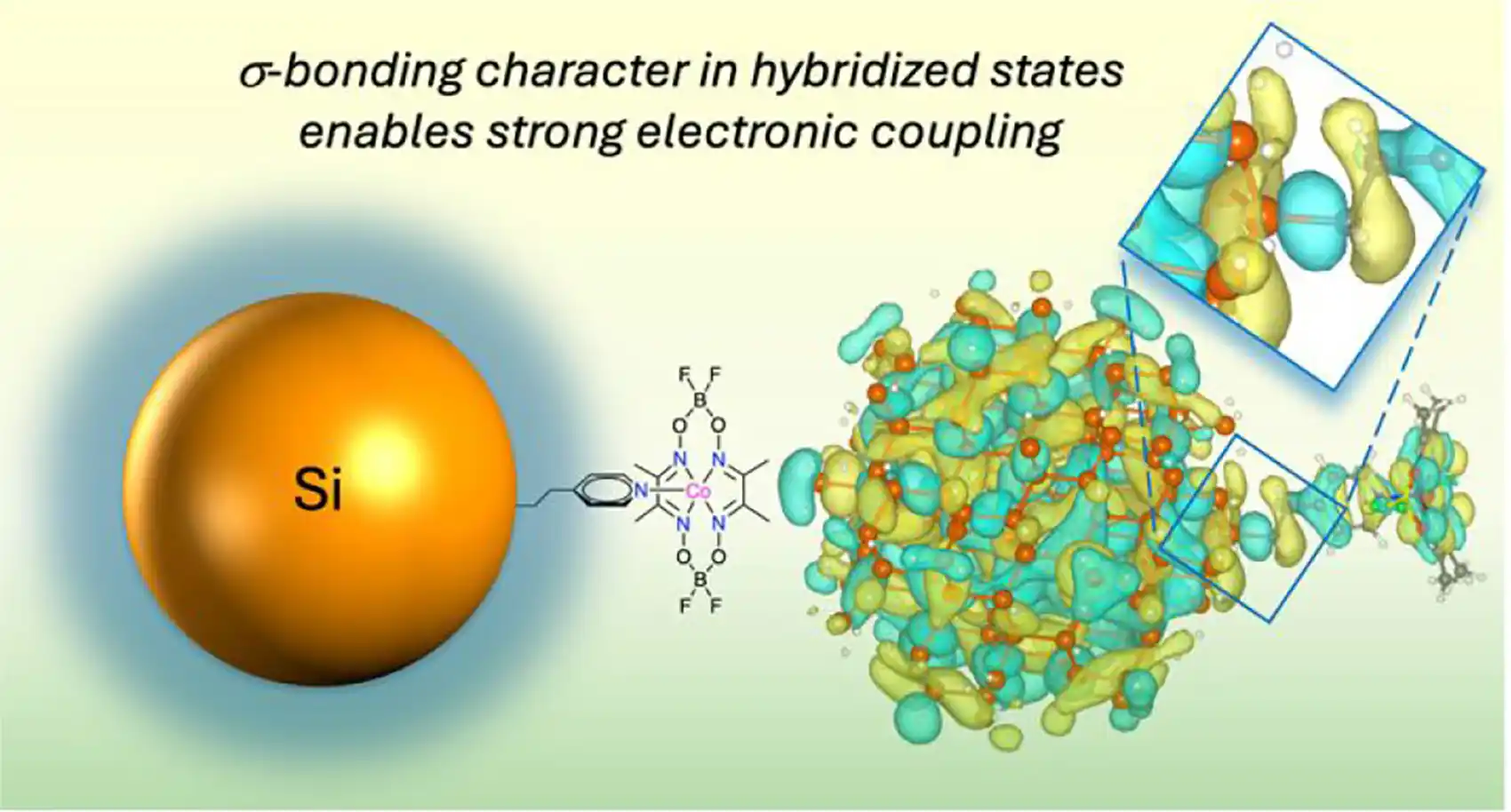
Scientists at the National Laboratory of the Rockies (NLR) have developed a novel semiconductor-catalyst hybrid system that captures high-energy sunlight more efficiently than natural photosynthesis or conventional solar panels. By linking silicon nanocrystals with a molecular catalyst called cobaloxime through a specific ethylenepyridine chemical bridge, the team created hybrid electronic states that enable photogenerated electrons to remain highly energetic for significantly longer periods. This breakthrough could pave the way for improved solar-driven chemical reactions, such as converting carbon dioxide and water into hydrocarbon fuels or synthesising fertilisers from atmospheric nitrogen.
The research addresses a fundamental limitation in current solar energy utilisation: the rapid loss of energy by high-energy electrons as heat. Typically, these “hot” electrons cool within femtoseconds, limiting the efficiency of both biological photosynthesis and photovoltaic devices. However, the hybrid system developed by NLR scientists prolongs the lifetime of these electrons to several nanoseconds—around 25,000 times longer than usual—by blending the electronic states of the silicon semiconductor and the molecular catalyst. This extended electron lifetime offers a more effective window for driving photocatalytic reactions.
A key insight from the study is the critical role played by the ethylenepyridine linker, which chemically fuses the silicon nanocrystal to the catalyst and facilitates the formation of the hybrid electronic state. The researchers emphasise that mere physical proximity between semiconductor and catalyst is insufficient; the precise chemical nature of the molecular bridge determines the efficiency of photoinduced processes. Using a combination of spectroscopic techniques and quantum mechanical modelling, the team demonstrated how the hot electrons delocalise across both components, maintaining their energy and enabling enhanced catalytic activity.
While direct solar-to-fuel conversion technologies remain in the experimental stage, this discovery represents a significant advance towards practical applications. The ability to harvest and sustain high-energy electrons could improve the efficiency of processes such as water splitting for hydrogen production or carbon dioxide reduction for synthetic fuels. Supported by the U.S. Department of Energy, the research highlights the potential for future energy solutions that mimic and surpass natural photosynthesis by harnessing untapped portions of the solar spectrum.