Article By:
CleanTechnica
2026-05-05 07:33:34
Renewable Energy Transition Powers Ahead in Australia
Summary By: eMotoX
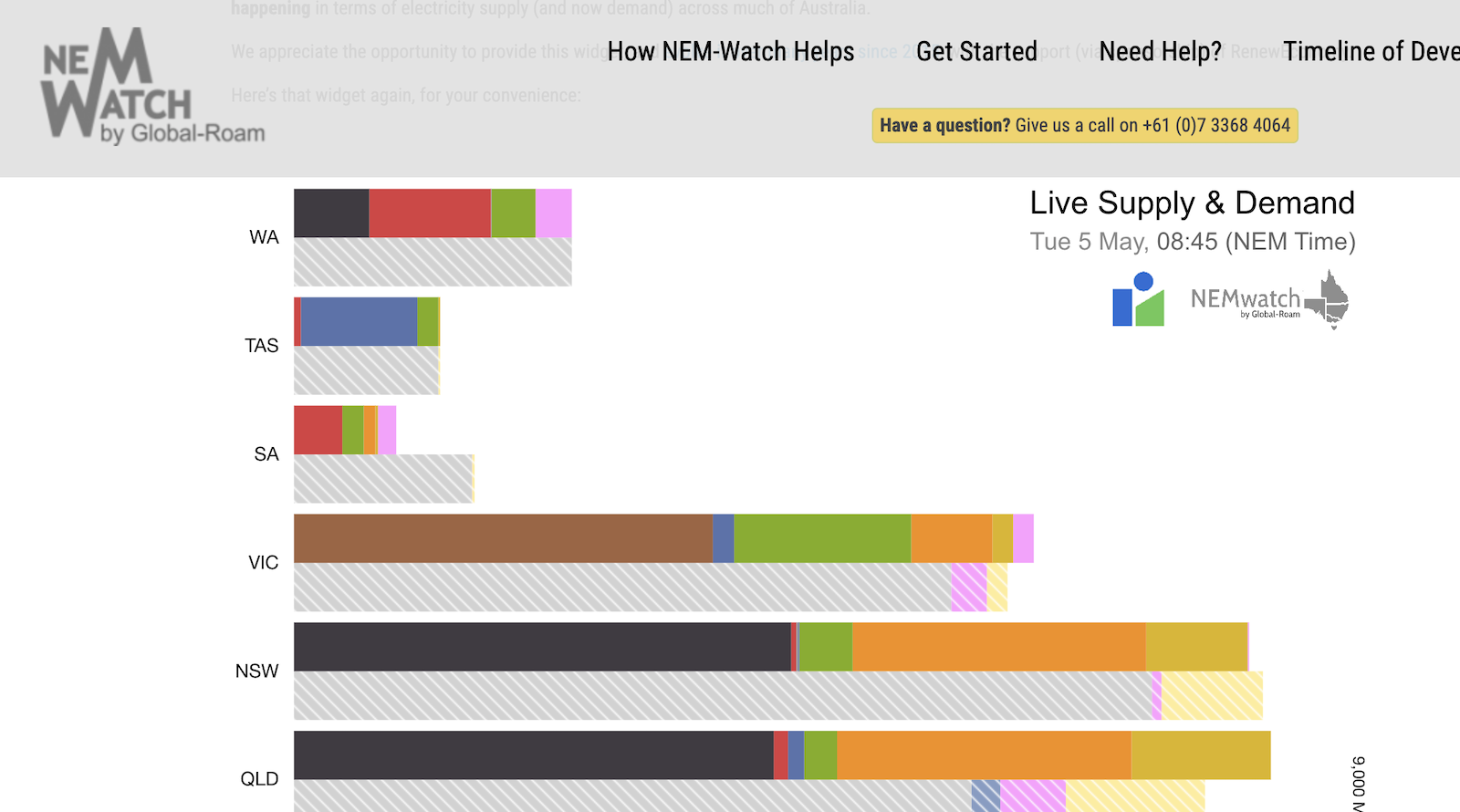
Australia’s transition to renewable energy is accelerating rapidly, with the first quarter of 2026 marking a significant milestone in the country’s clean energy journey. Renewable sources accounted for 46.5% of total generation on the National Electricity Market (NEM), a record high for the period and a notable 4% increase from the previous year. Solar power, particularly from rooftop installations exceeding 4 GW, and wind energy have been the primary contributors to this growth, while coal and gas generation have declined substantially, resulting in a 12% drop in wholesale electricity prices.
The federal government, led by Minister for Climate Change and Energy Chris Bowen, is actively supporting this shift by promoting more affordable and cleaner energy solutions for households. Bowen emphasises Australia’s natural advantages in solar and wind resources and highlights the growing role of home battery storage, with over 350,000 household batteries installed, providing more than 10 GWh of capacity. This uptake is helping to reduce reliance on fossil fuels during peak demand periods and is expected to ease pressure on the grid, although the benefits have yet to fully translate into lower household energy bills.
Australia’s home battery installation rate is remarkable on a global scale, with residential systems adding around 1.65 GWh of storage in March alone—comparable to nearly half of Europe’s grid-scale battery capacity installed in the same month. The government has responded to high demand by increasing funding for battery subsidies, raising the total available support to approximately AU$7.3 billion. This funding boost aims to support the installation of batteries in two million homes by 2030, which is expected to further stabilise the grid and reduce overall energy costs.
Despite the progress, opposition from some conservative politicians and fossil fuel interests remains a challenge, but public enthusiasm for renewables continues to grow. A light-hearted example of community engagement with renewable infrastructure comes from a New South Wales sheep farmer who demonstrated that livestock can coexist with solar farms, countering sceptical claims about the compatibility of farming and solar energy. This anecdote underscores the broader acceptance and integration of renewable energy into everyday Australian life.
Looking ahead, the expansion of renewable energy and home battery storage is set to reshape Australia’s energy landscape, making it more resilient and less dependent on volatile global fuel markets. Continued government support and technological advancements will be crucial in maintaining this momentum, with the potential to position Australia as a global leader in clean energy transition.