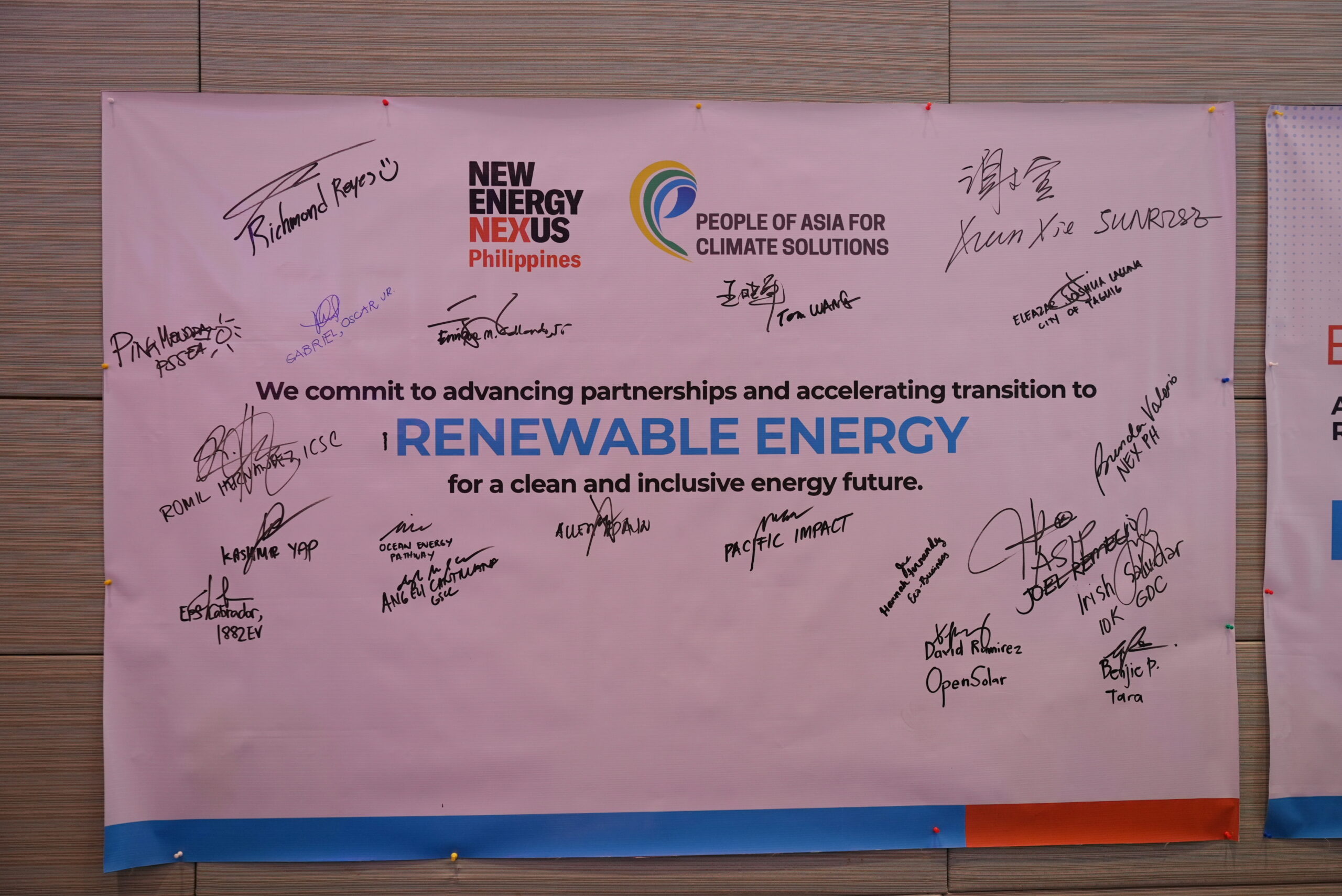
Summary By: eMotoXA recent study by People of Asia for Climate Solutions (PACS) and New Energy Nexus (NEX) highlights the potential for enhanced cooperation between the Philippines and China to accelerate the Philippines' transition to renewable energy. The report, titled "Bridging Opportunities: A Roadmap for China–Philippines Renewable Energy Cooperation," outlines a strategic framework aimed at fostering collaboration that could expand clean energy access, bolster local businesses, and support sustainable industry growth. This comes as the Philippines aims to increase renewables to 35% of its energy mix by 2030 and 50% by 2040, despite fossil fuels currently accounting for around 78% of its energy consumption.
The Philippines’ heavy reliance on imported fossil fuels, particularly crude oil sourced predominantly from the Middle East, exposes the country to significant risks from global price volatility and supply disruptions. The study emphasises that addressing these vulnerabilities requires scaling up local solar energy production and empowering Filipino entrepreneurs through partnerships with Chinese firms. China’s expertise in renewable energy manufacturing and technology, combined with the Philippines’ abundant natural resources and growing demand, presents an opportunity for mutually beneficial ventures, including large-scale projects and decentralised solutions like rooftop solar and microgrids.
However, the report also identifies several challenges hindering progress, such as difficulties with grid integration, limited financing for smaller developers, complex permitting procedures, and inconsistencies in technical standards. To overcome these barriers, it recommends targeted cooperation in areas like off-grid systems for underserved communities, electric vehicle integration with solar infrastructure, technical skills development, and circular economy initiatives. Enhanced coordination among government bodies, private sector stakeholders, financiers, and Chinese technology providers is seen as essential to streamline regulations, improve capital access, and strengthen technical frameworks.
Beyond immediate project deployment, the study stresses the importance of creating partnerships that deliver long-term benefits for the Philippines, including fostering domestic industries and workforce capabilities to ensure local value capture throughout the energy transition. Drawing on extensive consultations with over 50 renewable energy experts from both countries, the report concludes that well-structured international collaboration, grounded in local capacity building and diversified supply chains, could play a pivotal role in securing a more affordable, sustainable, and resilient energy future for the Philippines.