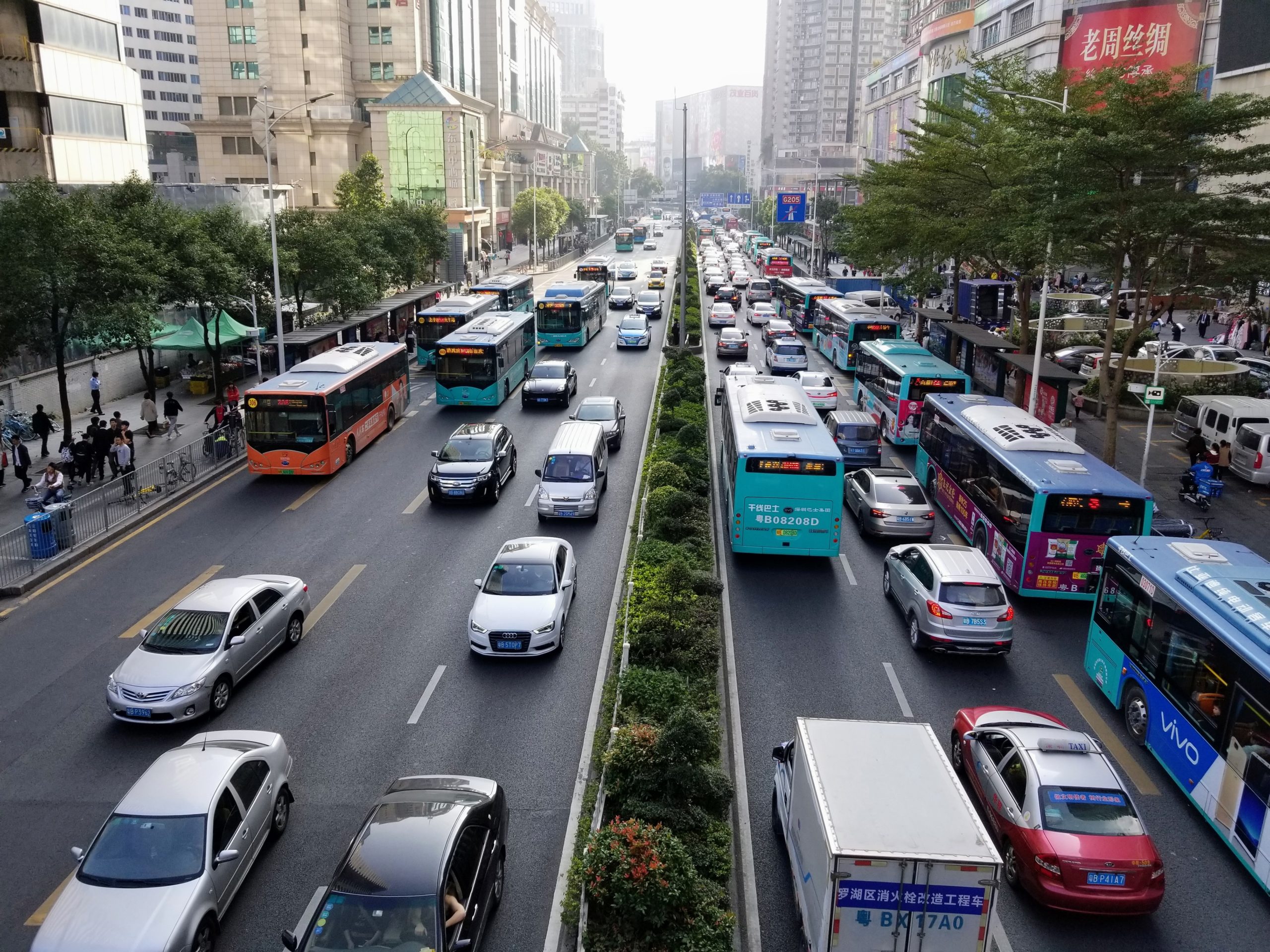
Summary By: eMotoXLatin America has seen a significant rise in the deployment of electric buses, with over 9,900 now operating across the region, including the Caribbean. This growth reflects a broader shift towards electrified public transportation, which contrasts with the more commonly reported electrification of personal vehicles such as e-bikes and electric cars. The expansion of electric bus fleets is particularly important given the heavy pollution caused by traditional diesel buses, which contribute substantially to air pollution, premature deaths, and climate change.
The majority of these electric buses are manufactured by leading Chinese companies, including BYD, Foton, Yutong, and Zhongtong. These vehicles run on battery power or trolleybus systems and can be powered by renewable energy sources such as solar, wind, hydro, and geothermal power. This transition not only reduces reliance on imported fossil fuels, which are expensive and environmentally damaging, but also offers operational cost savings due to the lower price of electricity compared to diesel or petrol.
Electric buses offer several additional benefits beyond emissions reductions. Their large battery packs can serve as energy storage units, supporting grid stability through virtual power plant applications. Moreover, they improve public health by eliminating exposure to harmful diesel exhaust for both passengers and drivers. Cities like Santiago, Chile, which reportedly operates over 4,000 electric buses, and Copenhagen, which has achieved a fully electric bus fleet, demonstrate the feasibility and benefits of large-scale electrification in public transport.
The ongoing shift towards electric buses in Latin America and beyond signals a promising move towards sustainable urban mobility. As more cities commit to replacing fossil fuel-powered buses with electric alternatives, the potential for cleaner air, reduced greenhouse gas emissions, and energy independence grows. This trend underscores the importance of integrating electric vehicles with renewable energy systems to achieve long-term environmental and public health goals.