EV news article header featuring electric vehicle news, EV charging station, electric car updates and industry insights

News Menu

bicycle news feed and industry updates for eBike and cycling news
Click for Bicycle News
latest eBike news aggregator covering electric bike updates, reviews and industry trends
Click for eBike News
electric motocross news feed with latest dirt bike updates, reviews and industry insights
Click for eMotocross News
latest eScooter news aggregator featuring electric scooter news feed, updates, reviews and industry trends
Click for eScooter news
Article By:
CleanTechnica
2026-04-26 03:50:33

Our Electrified Home

Summary By: eMotoX
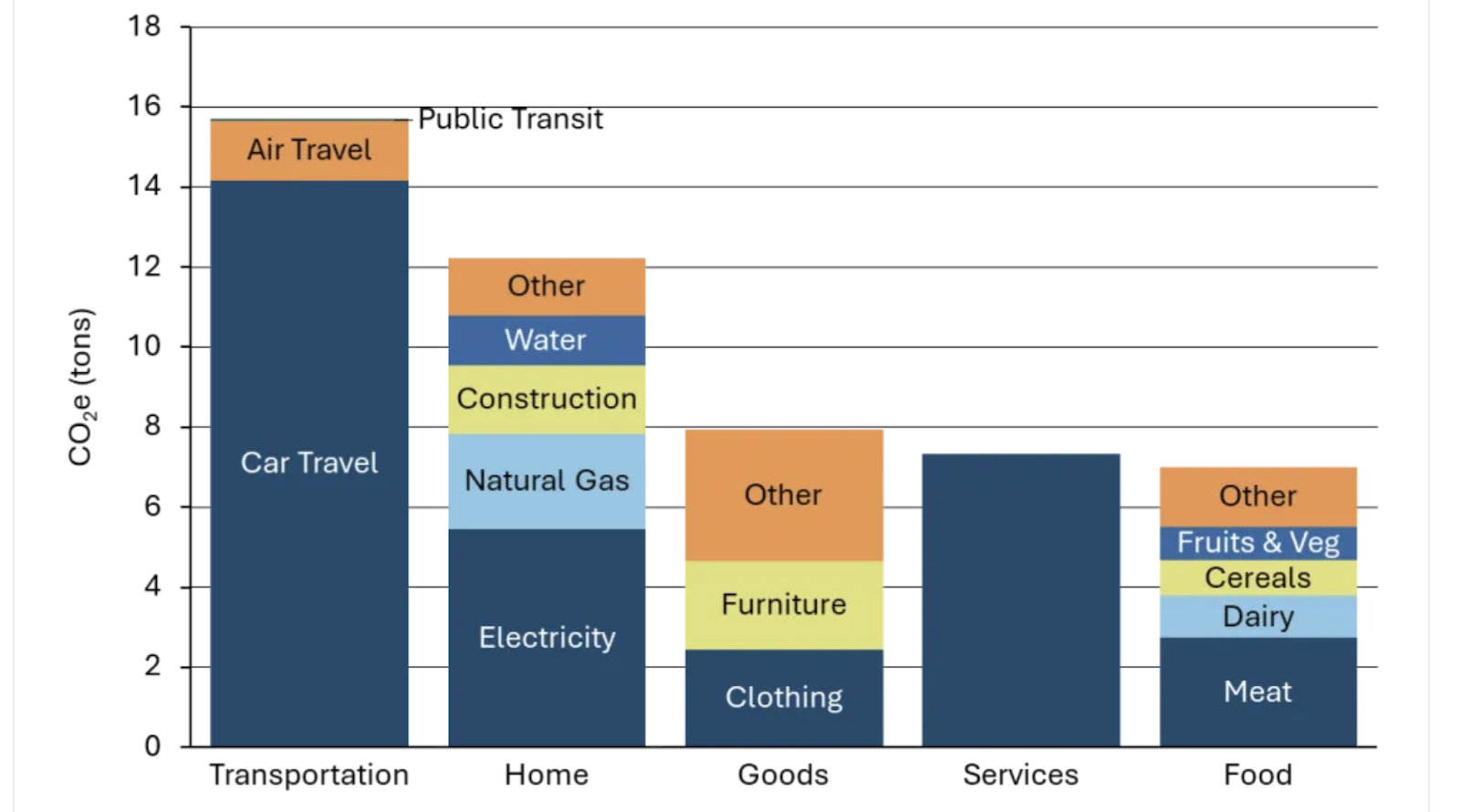
Brian Anderson’s experience at the Electric Home Show in Honolulu highlights the practical steps and benefits of fully electrifying a home to reduce greenhouse gas emissions. By installing a Mitsubishi cold climate air source heat pump (ccASHP) in early 2024, Anderson’s household eliminated reliance on fossil fuels for heating, vehicles, and appliances. This transition addresses two of the largest sources of emissions for typical US residents: transportation and home heating. Additional upgrades included replacing gas appliances with electric alternatives such as a heat pump water heater, induction stove, and heat pump clothes washer–dryer, further enhancing efficiency and comfort. The article underscores the environmental and health advantages of moving away from gas-powered home appliances. Methane, often marketed as “natural gas,” is a potent greenhouse gas, making the switch to electric appliances a critical step in reducing carbon footprints. Anderson also notes safety improvements, such as capping the gas supply to reduce fire and poisoning risks, and points out the health benefits of induction cooking, which avoids indoor air pollution associated with gas stoves. The cold-climate heat pump provides more even heating compared to traditional furnaces, improving home comfort without the dry, hot air from vents. Transportation remains a major contributor to personal emissions, but Anderson’s experience with electric vehicles (EVs) demonstrates their practicality and convenience. Having driven electric cars exclusively for over five years, he reports no compromises in performance or lifestyle, with over 100,000 all-electric miles driven across multiple states. Most charging occurs at home, often powered by a solar panel system, effectively reducing fuel costs to near zero. This integration of solar energy with EV charging exemplifies how renewable energy can complement electrification efforts in the home. Looking ahead, Anderson’s approach offers a replicable model for sustainable living that combines energy efficiency, renewable power, and electric transport. With incentives such as tax credits supporting the transition, more households could feasibly reduce their carbon footprints while enjoying improved safety and convenience. The ongoing monitoring of solar generation versus energy consumption will provide further insights into optimising home energy systems, signalling a promising direction for future sustainable home electrification.