EV news article header featuring electric vehicle news, EV charging station, electric car updates and industry insights

News Menu

bicycle news feed and industry updates for eBike and cycling news
Click for Bicycle News
latest eBike news aggregator covering electric bike updates, reviews and industry trends
Click for eBike News
electric motocross news feed with latest dirt bike updates, reviews and industry insights
Click for eMotocross News
latest eScooter news aggregator featuring electric scooter news feed, updates, reviews and industry trends
Click for eScooter news
Article By:
CleanTechnica
2026-05-10 00:52:16

Offshore Wind in the Philippines Won’t Prosper Without Ports

Summary By: eMotoX
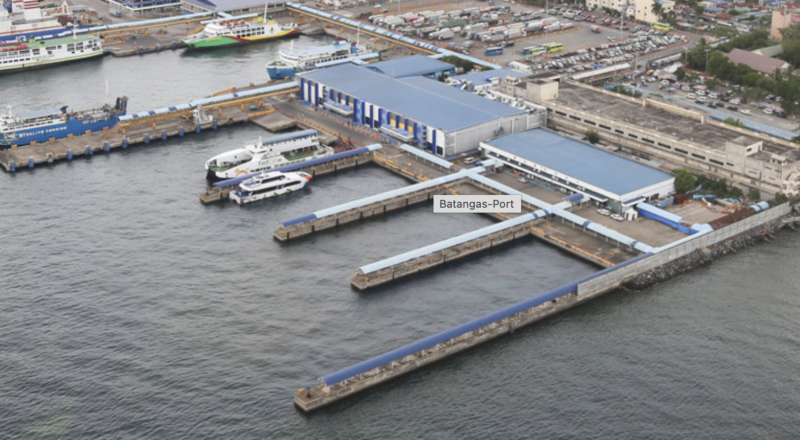
The development of offshore wind energy in the Philippines hinges critically on the establishment and enhancement of port infrastructure. Although the country has awarded over 40 gigawatts of Offshore Wind Energy Service Contracts and attracted growing investor interest, no offshore wind projects have yet progressed to marine construction or turbine installation. Instead, the sector remains in a pre-development phase, focusing on permitting, site assessments, and early planning. This highlights a fundamental challenge: the success of offshore wind projects depends not only on wind resources but on the logistical capacity of ports to support the assembly, transport, and deployment of massive turbine components. Key offshore wind zones such as San Miguel Bay in Bicol and the Guimaras Strait in Western Visayas were selected partly due to their proximity to potential port hubs. Government-led initiatives are positioning ports like Pambuhan in Camarines Norte as future offshore wind logistics centres, while private sector efforts are driving development around Pulupandan in the Guimaras corridor. These ports must evolve into specialised “marshaling ports” capable of handling heavy-lift operations, deepwater berths, and extensive assembly areas—facilities that existing Philippine ports currently lack. Retrofitting or constructing such infrastructure will require considerable investment, time, and coordinated policy support. The importance of port development extends beyond logistics to broader economic and sustainability outcomes. Modernised ports can foster local fabrication and assembly of turbine components, reducing reliance on imported materials and cutting the carbon footprint of supply chains. They also serve as long-term hubs for operations and maintenance, generating employment and anchoring industrial activity in coastal communities. Consequently, the nature of the Philippines’ offshore wind industry will be shaped by how effectively it can build these coastal industrial ecosystems alongside its renewable energy ambitions. With the Department of Energy’s Green Energy Auction programme targeting offshore wind capacity deployment by the end of the decade, the country faces a pressing need to translate policy and planning into tangible infrastructure. The timeline for offshore wind projects is unforgiving, and global experience shows that port readiness often determines which projects advance to construction. The first visible signs of the industry’s emergence in the Philippines may therefore be onshore investments in port facilities rather than turbines offshore, signalling a critical phase where ambition meets logistical reality. Ultimately, the Philippines has an opportunity to develop a more locally anchored offshore wind supply chain by strategically investing in port infrastructure. This could enhance energy sovereignty, reduce emissions associated with global transport, and embed economic value within coastal regions. Whether through state-led planning or private-sector initiatives, the future of offshore wind in the Philippines will be shaped as much by the ports on land as by the turbines at sea.