EV news article header featuring electric vehicle news, EV charging station, electric car updates and industry insights

News Menu

bicycle news feed and industry updates for eBike and cycling news
Click for Bicycle News
latest eBike news aggregator covering electric bike updates, reviews and industry trends
Click for eBike News
electric motocross news feed with latest dirt bike updates, reviews and industry insights
Click for eMotocross News
latest eScooter news aggregator featuring electric scooter news feed, updates, reviews and industry trends
Click for eScooter news
Article By:
CleanTechnica
2026-05-20 03:42:52

New “Atlas” Will Catalog Proteins That Bind to Rare Earth Elements

Summary By: eMotoX
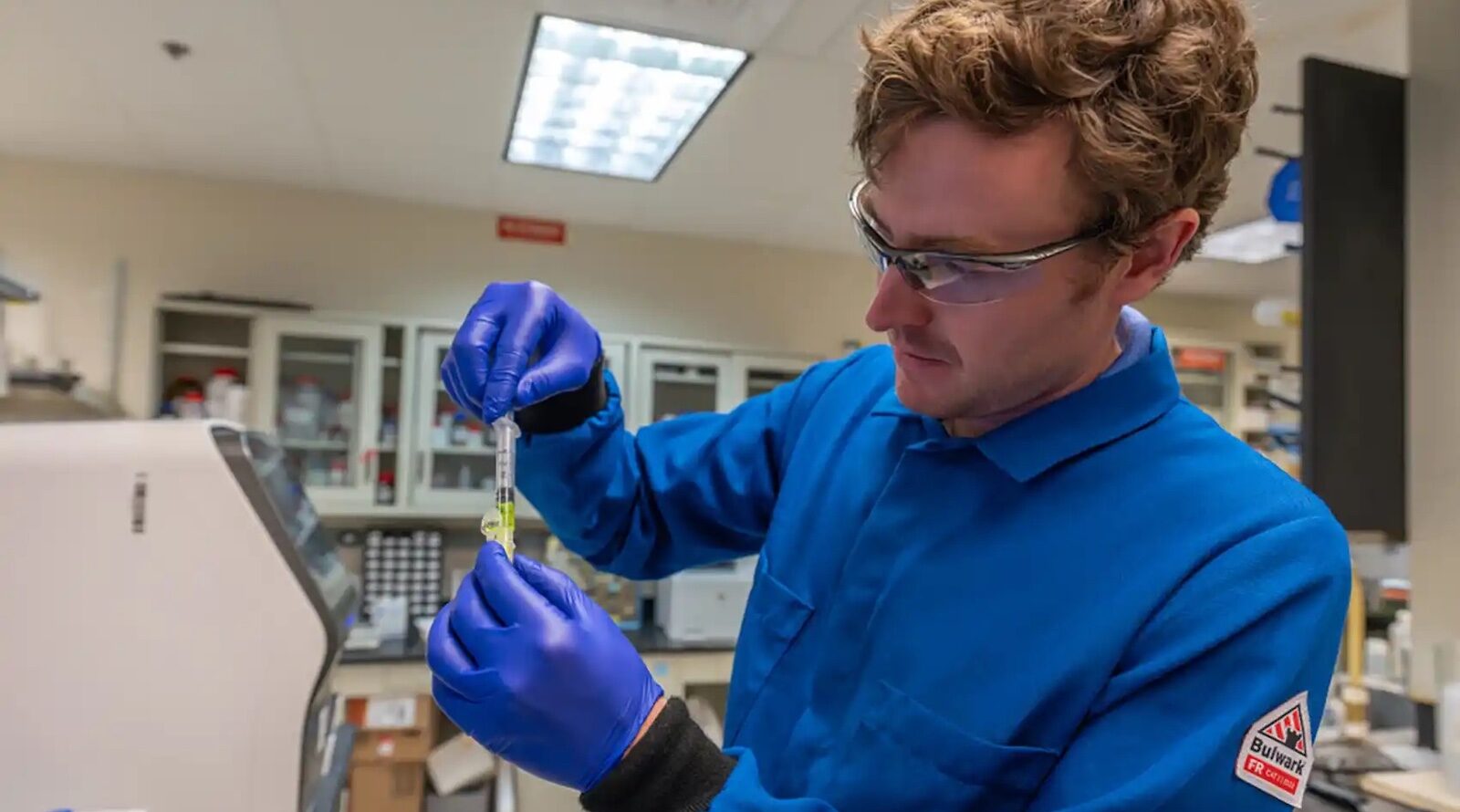
A collaborative research effort led by the National Laboratory of the Rockies (NLR) and supported by the Pacific Northwest National Laboratory (PNNL) is creating the first comprehensive atlas of proteins that bind to rare earth elements. This initiative aims to strengthen the United States’ domestic supply of critical minerals, such as neodymium and dysprosium, which are essential for manufacturing powerful magnets used in technologies ranging from electric vehicles to MRI scanners. Funded by a $2 million grant from the U.S. Department of Energy, the project seeks to reduce reliance on imports, particularly from China, by harnessing biological processes to recover these metals from domestic sources. The project involves mapping the natural diversity of metal-binding proteins found in microbes, which are abundant in soil ecosystems across the country. Using machine learning, the team is developing a “bioprospecting” tool that predicts where microbes with proteins capable of binding rare earth elements are likely to be found. This approach combines environmental data such as soil chemistry and climate with metagenomic information to create a geographic and phylogenetic map, allowing researchers to pinpoint promising locations for sampling and further study. Once environmental samples are collected, researchers use high-throughput robotic systems to validate the metal-binding properties of proteins encoded by microbial DNA sequences. This process assesses how selectively and strongly these proteins bind to rare earth elements, as well as their stability through multiple binding and release cycles. Identifying proteins with optimal binding characteristics is crucial for developing bioseparation technologies that could efficiently extract critical minerals from waste streams like electronic scrap or mining residues. Alli Werner, a senior biological engineer at NLR, emphasises the novelty and potential of this research, noting that understanding the natural diversity of these proteins could revolutionise metal refining processes. By redesigning proteins for enhanced performance, the project aims to create more sustainable and cost-effective methods for critical mineral recovery. The successful development of these biological tools could mark a significant step towards achieving a fully domestic and resilient supply chain for rare earth elements in the United States.