Article By:
The Driven
2026-06-09 05:34:02
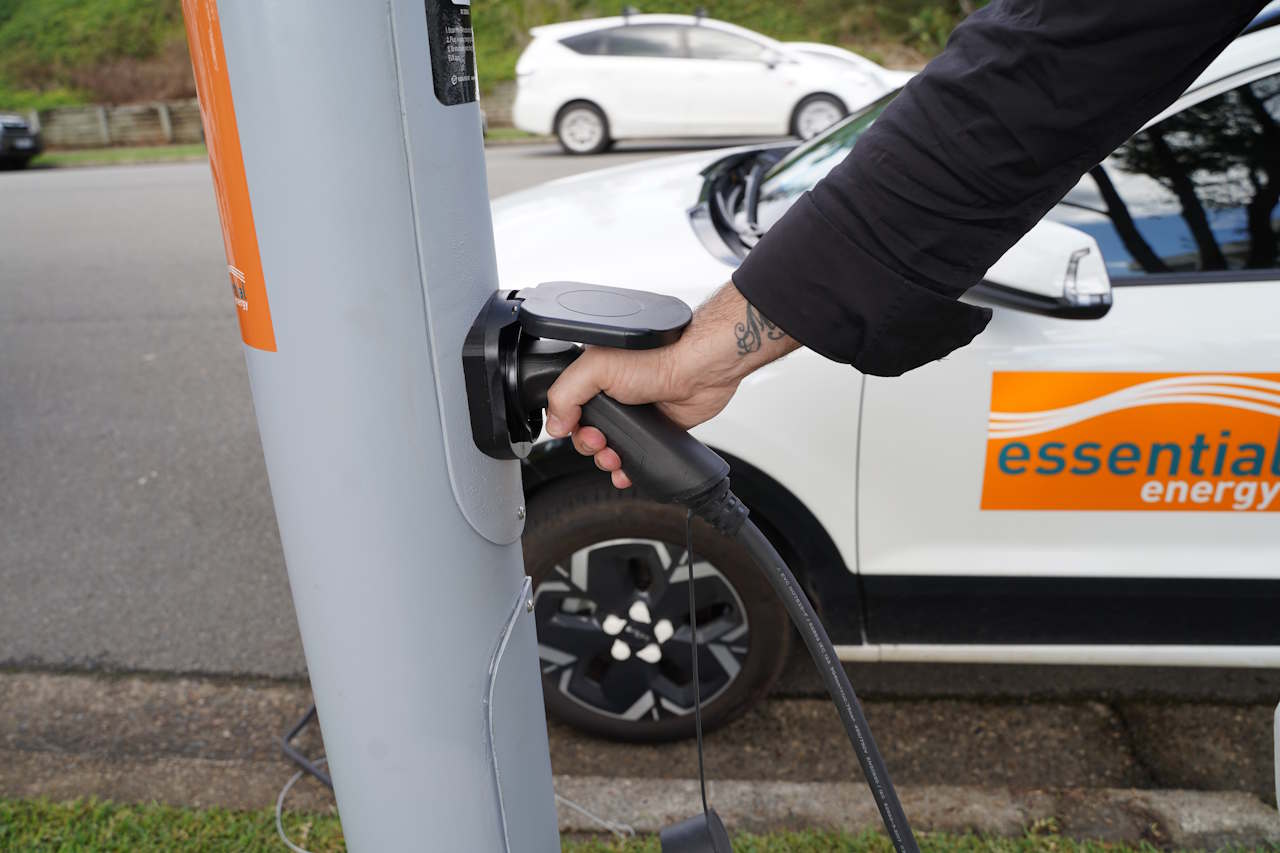
Network seeks ring-fencing waiver to install 300 kerbside EV chargers
Summary By: eMotoX
Essential Energy, a major electricity distribution network operator in Australia, has applied for a ring-fencing waiver from the Australian Energy Regulator (AER) to install 300 kerbside electric vehicle (EV) chargers mounted on streetlights and distribution poles across regional, rural, and remote parts of New South Wales. This initiative forms part of a broader ‘Plug and Play’ trial, which also includes preparing an additional 1,000 poles for private operators to install their own charging equipment. The project aims to leverage Essential Energy’s extensive infrastructure and local partnerships to expand public EV charging access in areas where installation costs are typically prohibitive.
If granted, the waiver would allow Essential Energy to own, install, maintain, and lease the charging infrastructure while leaving retail services such as pricing and customer engagement to private charge point operators. This separation is intended to comply with ring-fencing regulations, which prevent electricity networks from directly competing with private companies by restricting their involvement in commercial services. However, the proposal has sparked debate, with many charge point operators and EV advocates opposing the waiver on the grounds that it could distort the competitive market and increase the regulatory asset base, potentially impacting consumer costs.
Supporters of the waiver, including network executives, argue that distribution network service providers (DNSPs) are well-positioned to facilitate the rollout of EV infrastructure, particularly in underserved regions. Rob Amphlett Lewis, group executive of distribution at Ausgrid, Australia’s largest DNSP, acknowledged the potential conflicts but called for an opportunity to demonstrate their capability in this space. Similar waivers have been granted to other Victorian network operators, enabling them to trial kerbside EV chargers, though resistance remains strong among consumer and industry groups who have petitioned the Australian Energy Market Commission for tighter controls on such exemptions.
The AER has initiated a public consultation process to gather stakeholder feedback on the risks and benefits of allowing Essential Energy to operate these chargers. Submissions are open until mid-July 2026, with an online workshop scheduled for late June to facilitate discussion. The outcome of this consultation will be pivotal in determining whether Essential Energy can proceed with its plan to expand EV charging infrastructure using its existing poles, potentially setting a precedent for other network operators in Australia.