Summary By: eMotoXMarch 2026 marked a record-breaking month for new plug-in vehicle sales in Australia, with battery electric vehicles (BEVs) and plug-in hybrid electric vehicles (PHEVs) together accounting for nearly a quarter of the total new car market. Specifically, 15,839 BEVs and 8,215 PHEVs were sold out of 105,058 new vehicles, representing a 90% increase compared to the previous year and a 42% rise from February. This surge has been driven largely by soaring petrol and diesel prices, which have pushed many consumers to consider electric alternatives as a more economical and sustainable option.
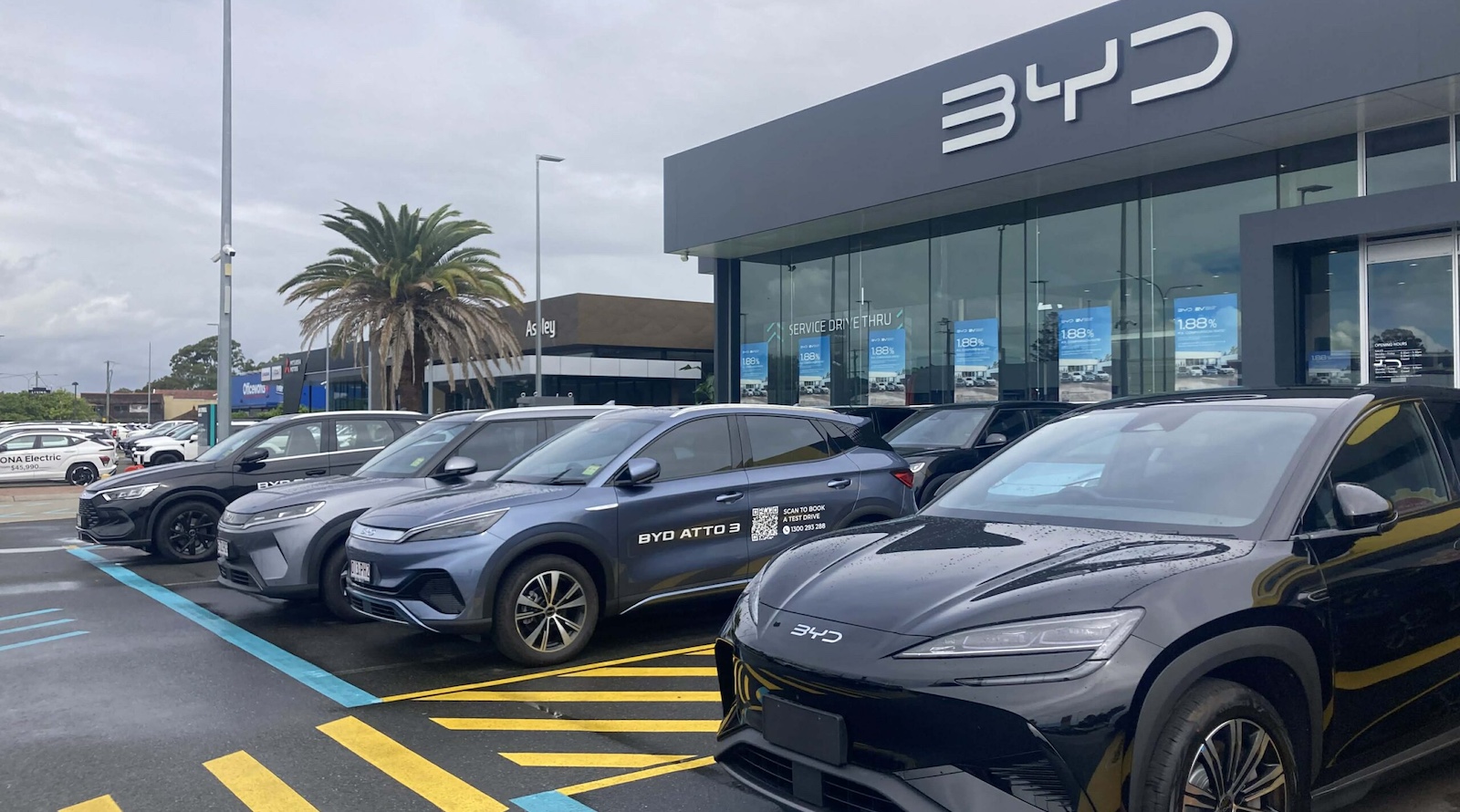
The dominance of Chinese manufacturer BYD was a standout feature of the month’s sales figures, outselling Tesla in total BEV units with five models in the top 15 sellers compared to Tesla’s two. BYD’s combined BEV and PHEV sales reached 7,217 in March, with the BYD Sealion 7 and Atto models performing particularly well. Despite Tesla’s Model Y remaining the single best-selling electric vehicle with 2,818 units sold, BYD’s broad offering and aggressive pricing appear to be reshaping the competitive landscape. Meanwhile, traditional brands such as Toyota continue to hold ground, with the bZ4X model expected to significantly increase its sales in 2026 following recent upgrades.
Industry reactions to this rapid growth are mixed. Tony Weber, chief executive of the Federal Chamber of Automotive Industries (FCAI), cautions that it is too soon to declare a permanent market shift, attributing the spike partly to geopolitical tensions affecting fuel supply and ongoing tax incentives. He highlights the critical challenge of expanding public charging infrastructure, especially in regional areas, as essential for sustaining EV adoption beyond the current surge. The FCAI’s position reflects the complex dynamics of an industry balancing legacy fossil fuel interests with the rising prominence of new electric vehicle entrants.
In contrast, Julia Del Vecchio, CEO of the Electric Vehicle Council, interprets the data as clear evidence of a structural transformation in the Australian automotive market. She emphasises that consumer behaviour is changing fundamentally, driven by economic and environmental factors, and that the transition to electric vehicles is well underway. The record sales in March, coupled with substantial forward orders from manufacturers such as BYD, suggest that the momentum for electrification is unlikely to diminish, signalling a pivotal moment in Australia’s shift towards sustainable mobility.