Summary By: eMotoXMalaysia is set to increase local tariffs on imported electric vehicles (EVs) from July 1, 2026, in a move aimed at protecting its national car manufacturers, Proton and Perodua. The Ministry of Investment, Trade and Industry (MITI) announced that a minimum cost, insurance and freight (CIF) value of RM200,000 (approximately $47,000) will be applied to all fully imported EVs, effectively raising the retail price floor to around RM300,000 ($70,000) once taxes are included. Additionally, imported EVs must meet a minimum power output of 180 kW (about 245 horsepower) to qualify, preventing lower-spec models from being rebranded as premium vehicles.
The policy shift is expected to benefit domestic automakers significantly, particularly Proton, whose upcoming e.MAS 5 model will face reduced competition from affordable Chinese EVs like the BYD Dolphin and GWM Ora Good Cat. Conversely, foreign brands targeting the entry-level market, such as Vietnamese manufacturer VinFast, will encounter challenges as their models, including the VF5, will be priced beyond the RM300,000 threshold. To circumvent these restrictions, VinFast is reportedly exploring local assembly options in Malaysia, which could allow it to maintain competitive pricing.
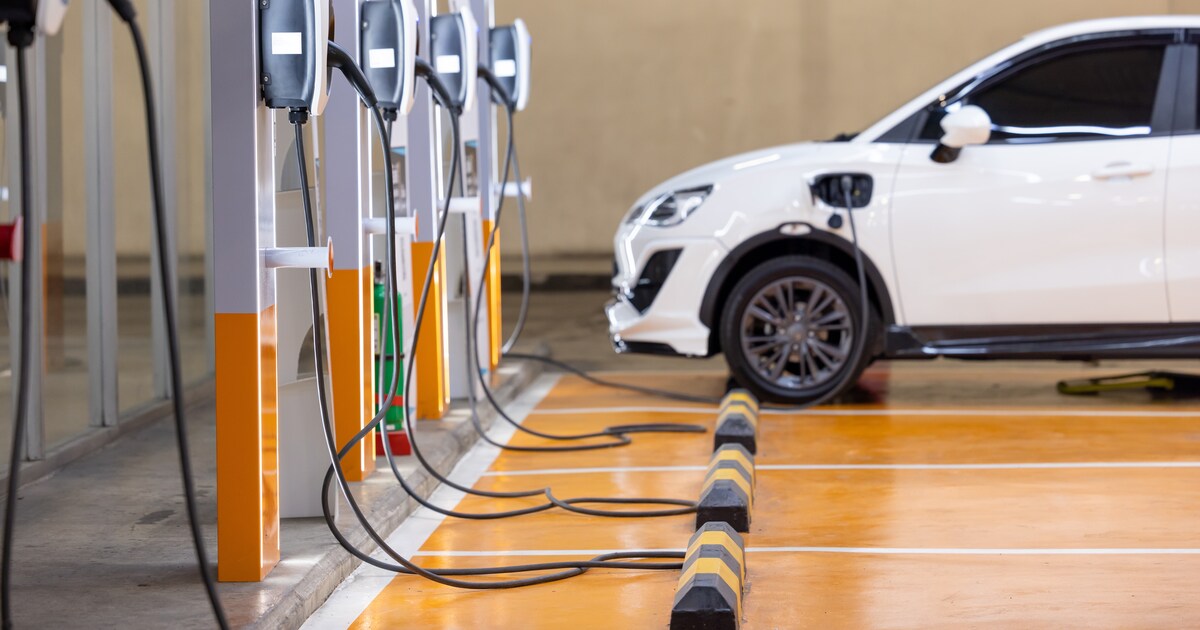
Despite the increased tariffs, Malaysia’s EV infrastructure continues to grow rapidly, with over 11,000 public charging points nationwide as of May 2026. Key players such as Gentari, the clean energy subsidiary of Petronas, are expanding DC fast charging along major highways, while chargEV dominates urban charging installations in commercial areas. Tesla also operates the country’s largest proprietary Supercharger network in the Klang Valley, setting standards for charging speed and reliability.
This policy reflects Malaysia’s balancing act between fostering EV adoption and safeguarding its domestic automotive industry from an influx of low-cost imports, particularly from China. While the higher price floor may slow access to affordable EVs for middle-income consumers in the short term, it could stimulate local manufacturing and assembly investments from regional and Chinese automakers seeking to avoid import duties. Over time, this strategy may strengthen Malaysia’s domestic EV sector, though consumers may face limited affordable options during the transitional period.