Summary By: eMotoXAt Auto China, a prominent theme among established automakers was a strategic emphasis on their brand legacies as they transition into the electric vehicle (EV) market. Porsche’s new Cayenne Turbo Electric exemplified this approach, combining advanced features like active aerodynamics with a design tailored to the Chinese market. Despite its premium price point, the Porsche’s appeal is bolstered not just by its technology but by the brand’s rich racing heritage, which remains a significant factor in consumer choice. This focus on legacy was echoed across other legacy brands, highlighting how historical prestige continues to influence purchasing decisions even as the industry shifts towards electrification.
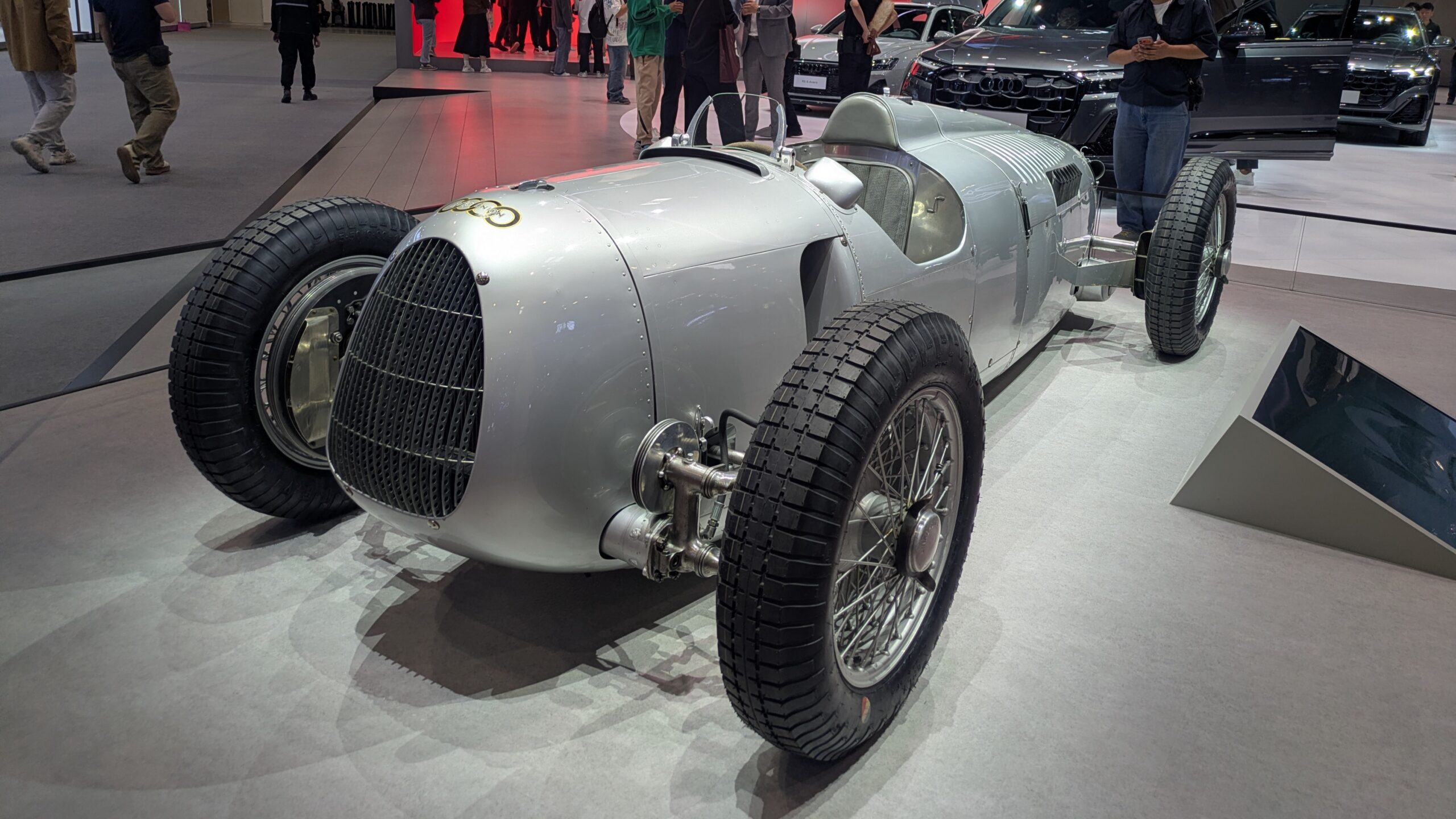
Mercedes-Benz underscored its long-standing heritage by showcasing historic models alongside its new electric GLC L, a China-specific EV developed in partnership with BAIC. The stand’s nostalgic display, celebrating 140 years of innovation, attracted considerable attention and positioned the electric GLC L as a comfortable option for traditional buyers transitioning to EVs. Similarly, Honda, BMW, and Volvo leveraged their histories with classic models and anniversary celebrations, blending their internal combustion engine (ICE) line-ups with selective EV offerings. This balance suggests that while these brands are committed to electrification, they remain mindful of their existing customer bases and brand identities.
Volkswagen Group faced a distinct challenge in China, where its “In China, For China” strategy has led to the production of EVs developed in collaboration with local partners like XPENG. The ID. UNYX 08, a product of this partnership, boasts superior materials, advanced technology, and intelligent driving systems, yet it struggles to command the same brand loyalty as traditional German-made vehicles. Chinese consumers’ awareness that these models are produced by domestic companies diminishes the perceived value of the Volkswagen brand, raising questions about the effectiveness of this localisation strategy compared to competing Chinese EV manufacturers.
In contrast, younger brands such as Hyundai are capitalising on their relative lack of legacy constraints to aggressively expand their EV presence in China. Hyundai’s IONIQ range, developed with Chinese partners, signals a clear commitment to the Chinese EV market, diverging from its more cautious approach in the US. This generational difference in brand strategy highlights how legacy automakers must carefully navigate their histories while adapting to rapidly evolving market demands, whereas newer entrants can focus more directly on innovation and local partnerships.
Overall, Auto China revealed that legacy automakers are pivoting by leaning heavily on their historical narratives and brand prestige to maintain relevance in a market increasingly dominated by electric vehicles. While this approach offers a competitive edge in terms of brand loyalty, it also presents challenges, particularly when localised EV models blur the lines between global heritage and domestic manufacturing. The coming years will test how effectively these established brands can balance tradition with innovation to secure their place in China’s burgeoning electric mobility landscape.