EV news article header featuring electric vehicle news, EV charging station, electric car updates and industry insights

News Menu

bicycle news feed and industry updates for eBike and cycling news
Click for Bicycle News
latest eBike news aggregator covering electric bike updates, reviews and industry trends
Click for eBike News
electric motocross news feed with latest dirt bike updates, reviews and industry insights
Click for eMotocross News
latest eScooter news aggregator featuring electric scooter news feed, updates, reviews and industry trends
Click for eScooter news
Article By:
CleanTechnica
2026-04-29 16:23:57

Hydrogen Fuel Cell Cars No; Fuel Cell Combat Drones Yes

Summary By: eMotoX
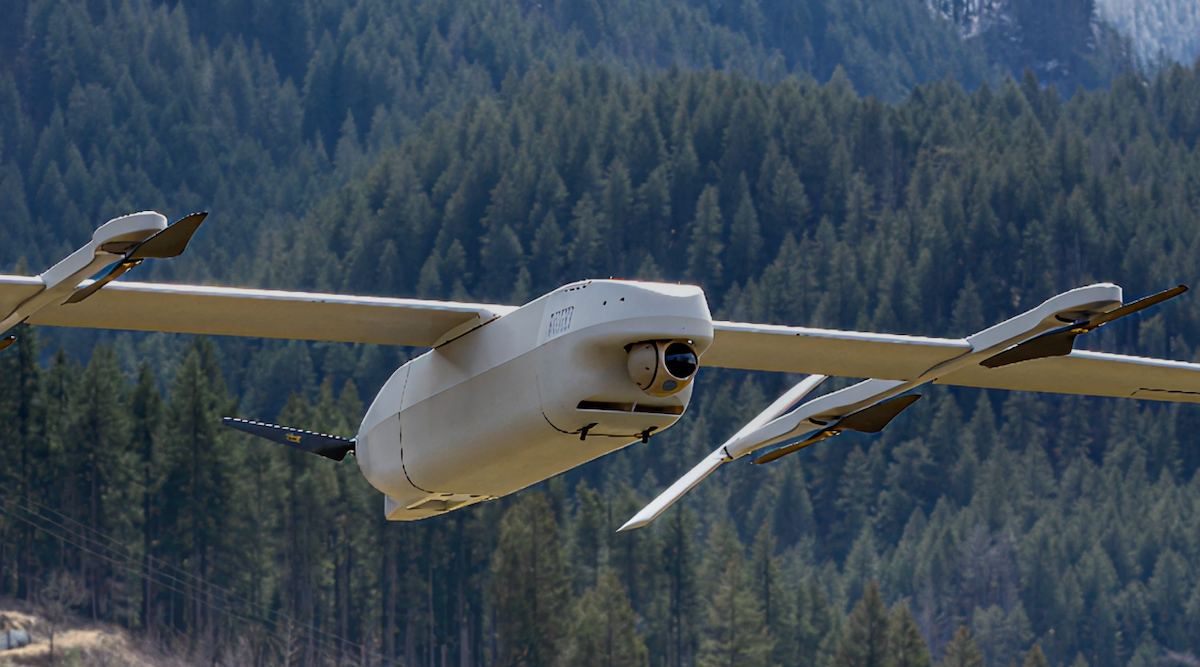
US drone manufacturer Heven Aerotech has secured a streamlined contract with the US Army to supply hydrogen fuel cell unmanned aerial vehicles (UAVs) and related hydrogen systems. This development marks a significant milestone in the military’s ongoing exploration of fuel cell technology, which has yet to gain widespread traction in civilian electric vehicles. While hydrogen fuel cell cars remain a niche market due to challenges in infrastructure and cost, the defence sector is increasingly adopting these systems for their operational advantages in unmanned vehicles across air, land, and sea domains. Hydrogen fuel cells generate electricity through a reaction between hydrogen and air, producing only water vapour as a by-product, making them an attractive clean energy option. However, the current hydrogen supply chain is heavily reliant on fossil fuels such as natural gas and coal, which undermines its environmental benefits. Efforts to develop green hydrogen—produced via renewable-powered electrolysis—have been slow but are gaining momentum, partly driven by geopolitical factors like the Iran conflict, which has highlighted the strategic importance of local, renewable fuel sources. European defence firms such as Rheinmetall are investing in electrolyser infrastructure to secure sustainable fuel supplies for military applications. From a military perspective, the scalability and portability of green hydrogen systems offer distinct operational benefits. Heven Aerotech’s partnership with Sesame Solar to integrate transportable “Mobile Nanogrid” hydrogen generation and storage with their UAVs exemplifies this approach. These microgrid solutions enable remote deployment without the logistical burdens and risks of transporting conventional fuels. The US Army’s streamlined acquisition contract for Heven’s Z1 UAV and hydrogen systems reflects growing confidence in the technology’s readiness and potential to transform battlefield logistics and capabilities. Dr Karen Swider-Lyons, Heven’s Vice President of Hydrogen Technology and Strategy, emphasises the long-term evolution of fuel cell drones, tracing her involvement back to early experiments with the US Naval Research Laboratory in 2004. She highlights the transformative potential of enabling technologies—comparable to the impact of blue LEDs and AI processors—in accelerating the shift away from fossil fuels. Electric propulsion in drones offers tactical advantages such as reduced noise and heat signatures, which are critical in combat scenarios. Despite higher initial costs, the military values the overall efficiency gains and manpower reductions afforded by electrified unmanned systems. The integration of hydrogen fuel cell technology into military UAVs represents the convergence of decades of research and development, signalling a new era for electric propulsion in defence. As these innovations mature, they may also pave the way for broader civilian applications in mobility and logistics, potentially overcoming some of the barriers that have hindered hydrogen’s adoption in the automotive sector. The US Army’s endorsement of Heven Aerotech’s systems could thus be a bellwether for the future of hydrogen-powered electric vehicles beyond the battlefield.