EV news article header featuring electric vehicle news, EV charging station, electric car updates and industry insights

News Menu

bicycle news feed and industry updates for eBike and cycling news
Click for Bicycle News
latest eBike news aggregator covering electric bike updates, reviews and industry trends
Click for eBike News
electric motocross news feed with latest dirt bike updates, reviews and industry insights
Click for eMotocross News
latest eScooter news aggregator featuring electric scooter news feed, updates, reviews and industry trends
Click for eScooter news
Article By:
CleanTechnica
2026-06-02 16:51:00

Giant Solar Power Plant In Texas Gets A New Neighbor

Summary By: eMotoX
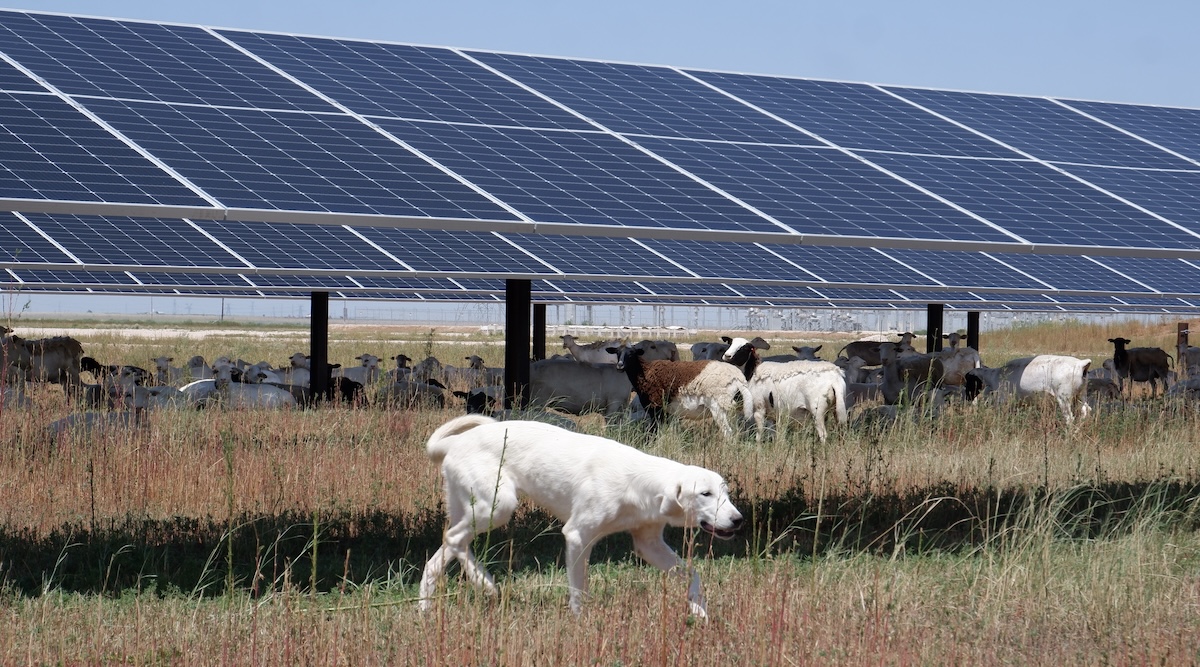
Texas is set to expand its renewable energy footprint with the announcement of a new 201-megawatt solar power plant adjacent to the existing 600-megawatt Hornet facility in Swisher County. This addition underscores the region’s growing reputation as a hub for solar development, despite the broader challenges facing the US wind industry due to shifts in federal energy policy. The new project, named Nazareth, is backed by significant financial support, including a $236 million package involving international investors such as Mitsubishi UFJ Financial Group and the Development Bank of Japan, alongside Chicago-based asset manager GCM Grosvenor. Swisher County has emerged as a notable player in Texas’s renewable energy landscape, a state long recognised for its wind and solar resources. Unlike many oil-rich counties, Swisher lacks substantial income from fossil fuels, making renewables a vital source of economic growth. The Hornet solar plant alone generated over $5 million in tax revenue during its first year, with funds distributed to local schools, healthcare, and community services. Vesper Energy, the developer behind Hornet and Nazareth, has also contributed to local nonprofits and emergency services, illustrating the broader community benefits tied to these projects. A distinctive feature of the Hornet solar plant is its integration of agrivoltaics, particularly solar grazing with sheep. This innovative approach uses over 2,000 sheep to manage vegetation beneath the solar panels, reducing maintenance costs and diesel fuel use while supporting local sheep farmers. Organisations like Texas Solar Shepherds highlight how solar grazing provides valuable land access for ranchers and helps preserve agricultural heritage. The practice is rapidly expanding, with tens of thousands of acres in Texas managed under such dual-use arrangements. Looking ahead, solar grazing is also adapting to include cattle, overcoming previous concerns about livestock size and equipment damage. Advances in solar panel racking systems now accommodate cattle grazing, potentially benefiting the domestic beef industry amid a declining national herd. This evolution in land use demonstrates the growing synergy between renewable energy development and traditional agriculture, offering promising opportunities for rural economies and sustainable land management in Texas and beyond.