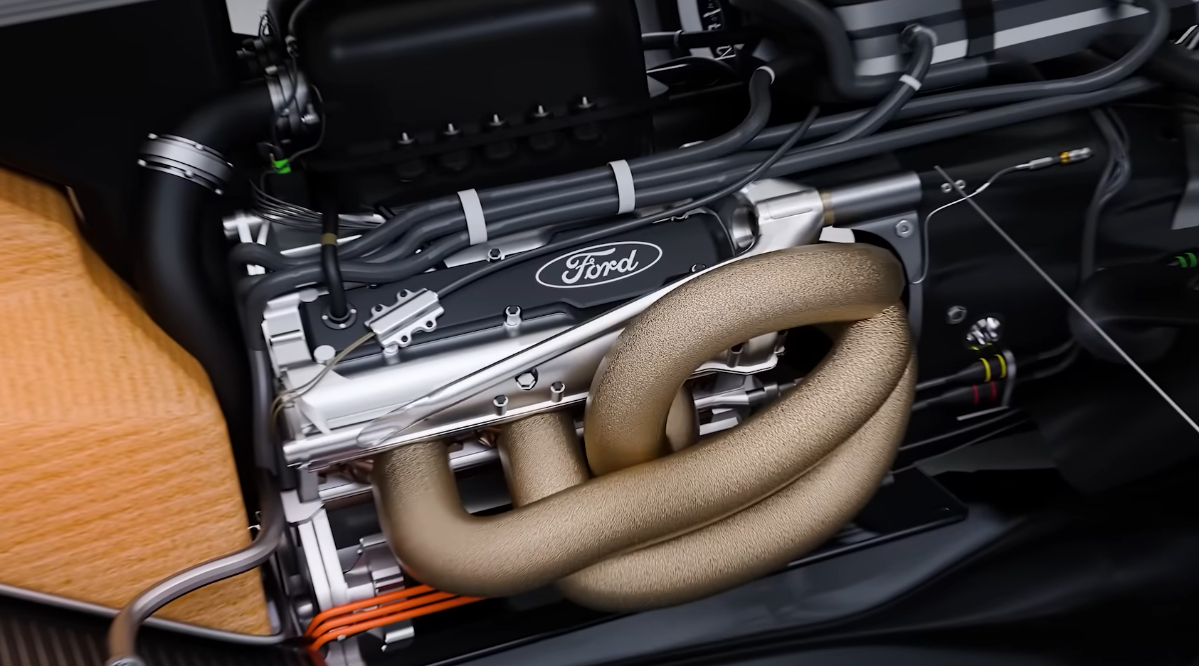
Summary By: eMotoXFord has recently shifted its stance on electric vehicles, signalling a renewed commitment to combustion engines, particularly within the realm of Formula One racing. This change is underscored by Ford’s new partnership with Red Bull as their engine supplier, replacing Honda. The move coincides with Formula 1’s updated powertrain regulations for 2026, which require cars to use a hybrid system combining a turbocharged V-6 engine with an electric motor. Despite the sport’s ongoing efforts to reduce its carbon footprint through hybrid technology and sustainable fuels, the reception from drivers and fans has been mixed, with many lamenting the loss of the traditional, high-pitched engine sounds.
The sound of racing engines has long been a defining feature of motorsport, contributing significantly to the atmosphere and excitement of events. The modern hybrid power units, while more environmentally friendly, have been criticised for their quieter, less visceral noise, which some fans and drivers find underwhelming. Four-time world champion Sebastian Vettel notably described the new engines as sounding like vacuum cleaners, highlighting a disconnect between technological progress and fan engagement. This dissatisfaction is reflected in the broader debate over whether the current hybrid regulations truly enhance the spectacle of racing.
Max Verstappen, the sport’s dominant driver, has openly questioned his future in Formula 1 due to the new powertrain rules, which force drivers to lift off the throttle to harvest electrical energy, preventing full-throttle racing. In response to such concerns, Formula 1 has adjusted the power split to favour the internal combustion engine slightly more, moving to a 60 percent engine and 40 percent electric motor balance. However, some insiders are pushing for a more radical return to traditional V-8 engines, which Ford once famously powered to numerous victories, reflecting a desire to recapture the sport’s classic sound and intensity.
Ford’s renewed focus on combustion engines is also linked to its broader business strategy, which now embraces a diverse portfolio of powertrains to meet varying regional demands. Mark Rushbrook, Ford Performance director, emphasises that combustion engines remain a vital part of Ford’s product range alongside hybrids and full electric vehicles. This pragmatic approach contrasts with earlier, more EV-centric ambitions and reflects shifting political and market realities, particularly in the US. Ford’s involvement in Formula 1 and its openness to revisiting V-8 engines signal a strategic pivot that balances environmental considerations with consumer preferences and competitive motorsport heritage.