EV news article header featuring electric vehicle news, EV charging station, electric car updates and industry insights

News Menu

bicycle news feed and industry updates for eBike and cycling news
Click for Bicycle News
latest eBike news aggregator covering electric bike updates, reviews and industry trends
Click for eBike News
electric motocross news feed with latest dirt bike updates, reviews and industry insights
Click for eMotocross News
latest eScooter news aggregator featuring electric scooter news feed, updates, reviews and industry trends
Click for eScooter news
Article By:
The Driven
2026-05-18 05:45:05

First hydrogen heavy truck refuelling station held up by collapse of likely truck suppliers

Summary By: eMotoX
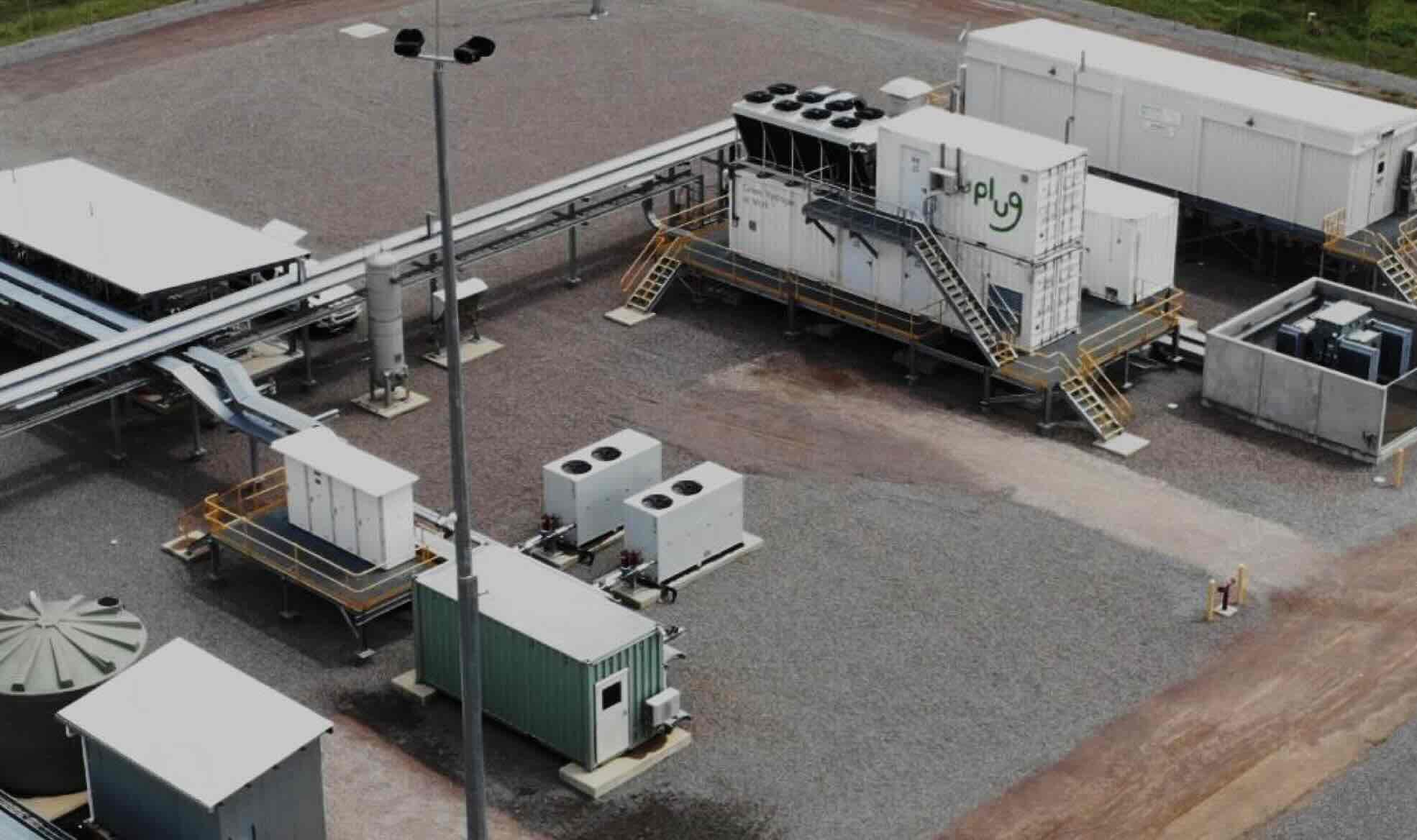
Australia’s pioneering SunHQ Hydrogen Hub, designed to offer hydrogen refuelling for heavy trucks, has reached completion but faces significant operational setbacks due to the insolvency of its intended truck suppliers. Initially launched in 2021 near Townsville, Queensland, the project was a collaborative effort co-funded by the Australian Renewable Energy Agency (ARENA) and the Clean Energy Finance Corporation (CEFC). The facility was intended to support the deployment of five 140-tonne fuel cell electric trucks by 2022, marking a major advance in hydrogen-powered heavy transport. However, the collapse of Hyzon Motors and Nikola Corporation, the two preferred suppliers for the fuel cell trucks, has left the project struggling to secure suitable vehicles. Ark Energy, the project owner and subsidiary of Korea Zinc, has managed to obtain only one 53-tonne fuel cell truck and a 140-tonne diesel-hydrogen hybrid, both of which face regulatory and integration challenges under Australia’s stringent design standards. These difficulties have delayed the ramp-up of hydrogen production and truck deployment, prompting a more gradual approach than originally planned. The SunHQ initiative, which received over $20 million in combined funding from federal and state sources, aims to reduce emissions in the transport supply chain by leveraging hydrogen fuel cell technology alongside renewable energy generation at the adjacent zinc refinery and solar farm. Despite the ambitious goals, the project’s “Lessons Learned” report highlights the complex engineering, regulatory hurdles, and cost overruns associated with introducing this novel technology in Australia. The lack of local expertise and need to import knowledge from overseas further complicated the integration process. Nevertheless, Ark Energy remains optimistic about the potential of hydrogen-assisted heavy vehicles, citing promising operational results from the diesel-hydrogen hybrid truck, which has achieved up to a 50 percent reduction in diesel consumption. Driver feedback has also been positive, particularly regarding the smooth and responsive handling of the fuel cell electric truck. These insights may prove valuable for future hydrogen transport projects, even as the sector navigates the current dominance of battery electric vehicles and ongoing market uncertainties. The SunHQ project underscores the broader challenges facing hydrogen heavy transport, including limited OEM support, complex vehicle integration, and regulatory approval processes. While the technology shows promise for long-distance applications like those in Australia, the experience so far suggests that widespread adoption will require overcoming significant technical and commercial barriers. The project’s ongoing development and operational data will be closely watched as the hydrogen heavy vehicle market continues to evolve.