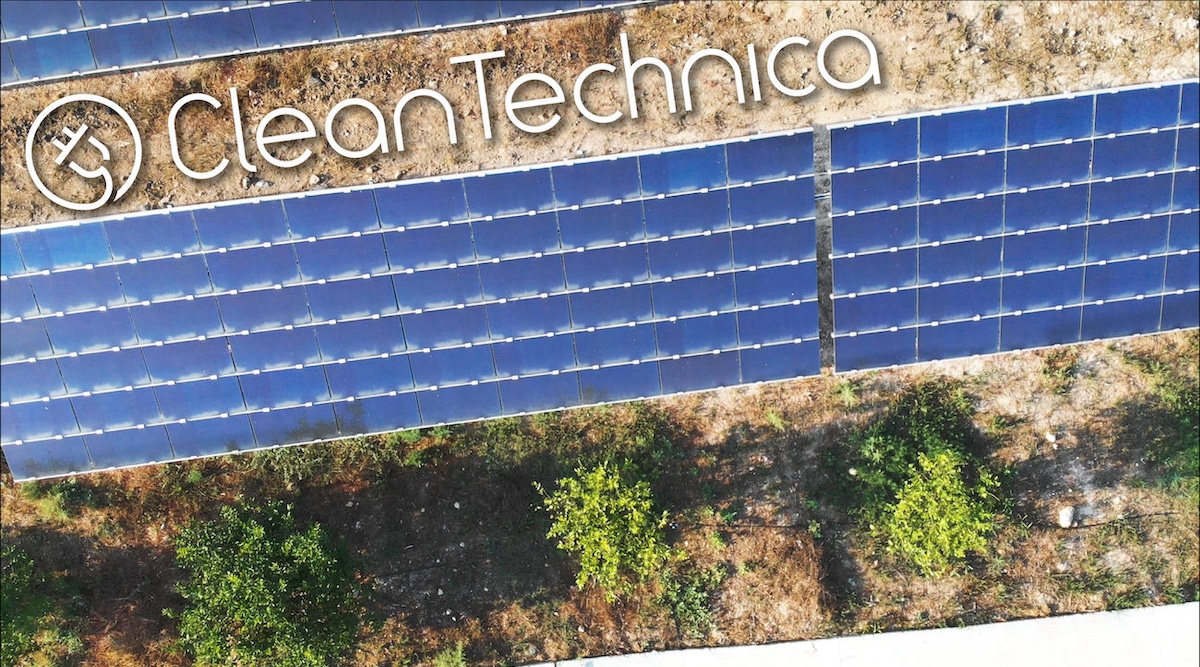
Summary By: eMotoXAmerican family farmers are increasingly turning to solar energy as a means to stabilise income and maintain the viability of their land amid rising input costs and volatile commodity markets. Faced with economic uncertainty and environmental challenges such as water scarcity, many farmers are adopting solar leases or installations to supplement traditional agricultural income. This approach is particularly valuable for multi-generational farms, offering financial resilience that can help keep land within families rather than forcing sales.
Across states like Oklahoma, Texas, California, and Iowa, solar energy is becoming a practical and locally driven solution rather than a mandated policy. In California’s drought-prone regions, solar provides a way to generate revenue without relying on limited water resources, while in Texas and Oklahoma, it offers a buffer against market downturns. However, some local governments are imposing restrictions on solar development on farmland, limiting farmers’ ability to make decisions best suited to their circumstances. Cases such as that of an Ohio soybean farmer, blocked from accessing substantial solar lease income due to local regulations, highlight the tension between bureaucratic controls and farmers’ autonomy.
Contrary to some misconceptions, solar development occupies a very small fraction of farmland and has a minimal environmental footprint compared to other land uses such as urban expansion or golf courses. Solar panels do not pose significant toxic risks, and recycling and decommissioning plans are standard practice in the industry. Moreover, the integration of solar with agriculture through agrivoltaics is proving beneficial, allowing farmers to combine energy production with crop cultivation or livestock grazing, thereby enhancing biodiversity, soil health, and water efficiency.
The economic benefits of solar extend beyond individual farms, contributing significantly to rural economies through tax revenues that support local infrastructure and services. Innovations like sheep grazing under solar panels and the cultivation of shade-tolerant crops demonstrate how solar can complement rather than replace traditional farming activities. Leaders in the solar grazing movement emphasise that these farmer-led innovations create multiple advantages for communities, reinforcing the importance of local decision-making.
Ultimately, the argument centres on trusting farmers to manage their land as they see fit, without blanket restrictions imposed by distant authorities. Farmers, with their deep knowledge and long-term stewardship, are best placed to balance innovation with tradition and environmental care. Solar energy represents a valuable tool in their arsenal, one that should remain a choice rather than a constraint imposed by policy.