EV news article header featuring electric vehicle news, EV charging station, electric car updates and industry insights

News Menu

bicycle news feed and industry updates for eBike and cycling news
Click for Bicycle News
latest eBike news aggregator covering electric bike updates, reviews and industry trends
Click for eBike News
electric motocross news feed with latest dirt bike updates, reviews and industry insights
Click for eMotocross News
latest eScooter news aggregator featuring electric scooter news feed, updates, reviews and industry trends
Click for eScooter news
Article By:
The Driven
2026-05-28 02:00:47

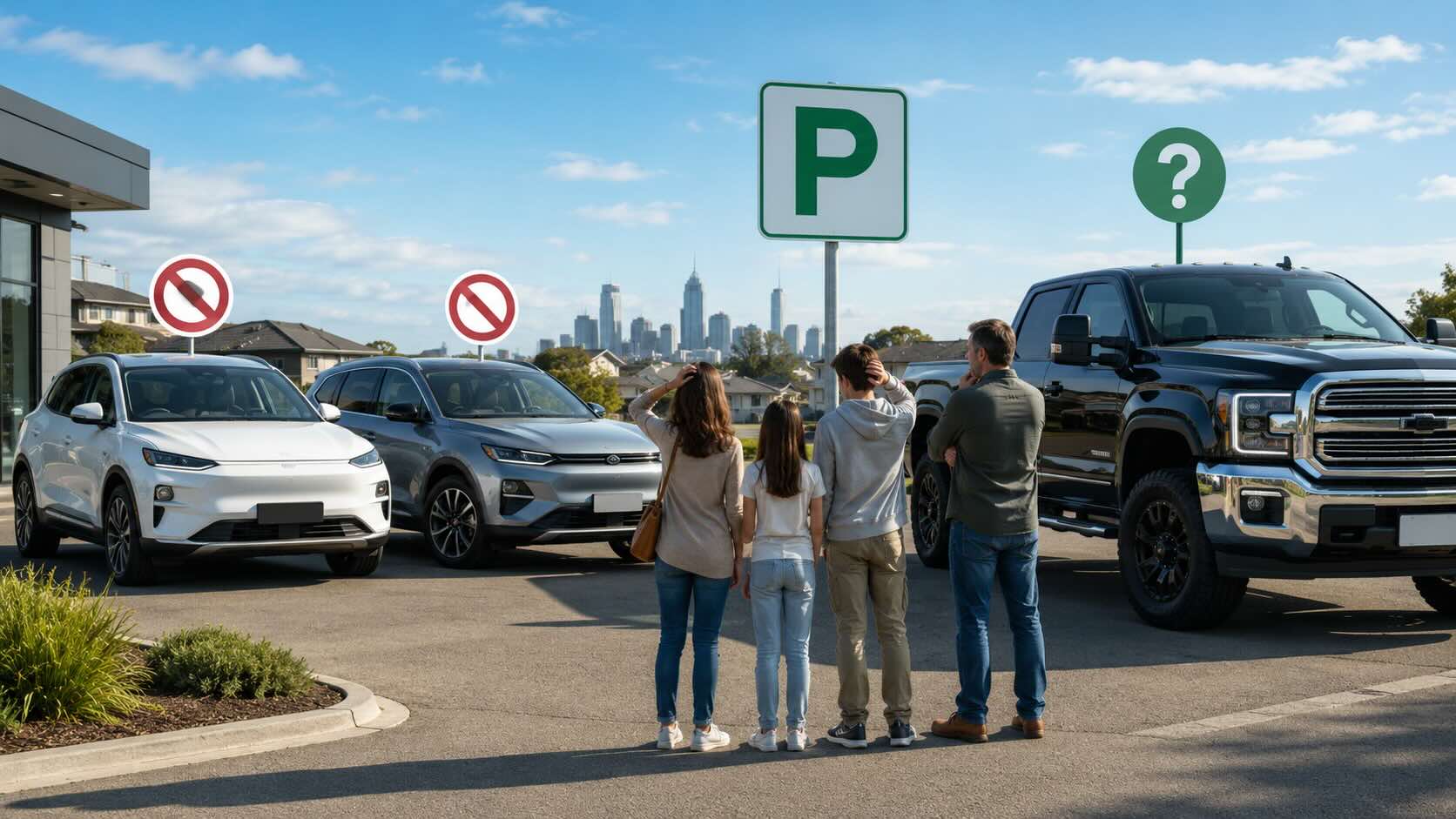
Families looking at EVs hit strange P-plate roadblock: Model Y banned, Ram 1500 allowed

Summary By: eMotoX
Families in Victoria and other Australian states face an unexpected hurdle when considering electric vehicles (EVs) as family transport, particularly with regard to P-plate driver restrictions. Probationary drivers are often barred from operating vehicles exceeding a power-to-mass ratio of 130kW per tonne or those listed as banned in official databases. This rule, originally intended to limit young drivers’ access to high-performance petrol cars, inadvertently excludes many EVs, including popular models like the Tesla Model Y, despite their suitability as family vehicles. The crux of the issue lies in how EVs are assessed under these regulations. Electric motors deliver instant torque and typically have high peak power outputs, which can push them over the threshold set for P-plate drivers. However, this measure does not take into account the advanced safety features, stability controls, and collision avoidance systems that many EVs offer. Consequently, vehicles that appear powerful on paper may actually be safer and more manageable for novice drivers than some larger, heavier petrol vehicles that remain permitted under the rules. An intriguing anomaly highlighted is that some large petrol vehicles, such as the Ram 1500 pickup truck, can pass the P-plate test despite their size and lack of modern safety ratings, while smaller, efficient electric SUVs are banned. This discrepancy raises questions about the relevance and fairness of current regulations in an era where families are increasingly transitioning to electric cars for environmental and practical reasons. The rules, designed for a different automotive landscape, may inadvertently limit families’ choices and complicate long-term planning for households with young drivers. As EV adoption grows, these restrictions could have wider implications for family car purchases, potentially discouraging the uptake of electric vehicles among households with teenagers. Parents seeking a single vehicle to accommodate both current family needs and future learner drivers may find themselves constrained by outdated policies. This situation underscores the need for regulatory bodies to revisit and update P-plate vehicle criteria to better reflect the evolving automotive market and the safety capabilities of modern electric vehicles.