Summary By: eMotoXElectric vehicle (EV) sales in Australia continued their strong upward trajectory in April 2026, with plugin vehicles accounting for nearly 27% of the total market. Out of 94,049 vehicles sold, 25,087 were plugin models, split between 15,459 battery electric vehicles (BEVs) and 9,628 plug-in hybrids (PHEVs). While BEV sales remained steady month-on-month, PHEVs experienced growth, and sealed hybrids also gained popularity, despite an overall decline in the broader vehicle market. The shift away from traditional petrol and diesel vehicles is becoming increasingly pronounced, with diesel sales dropping by over 21% year-on-year and petrol by 30%.
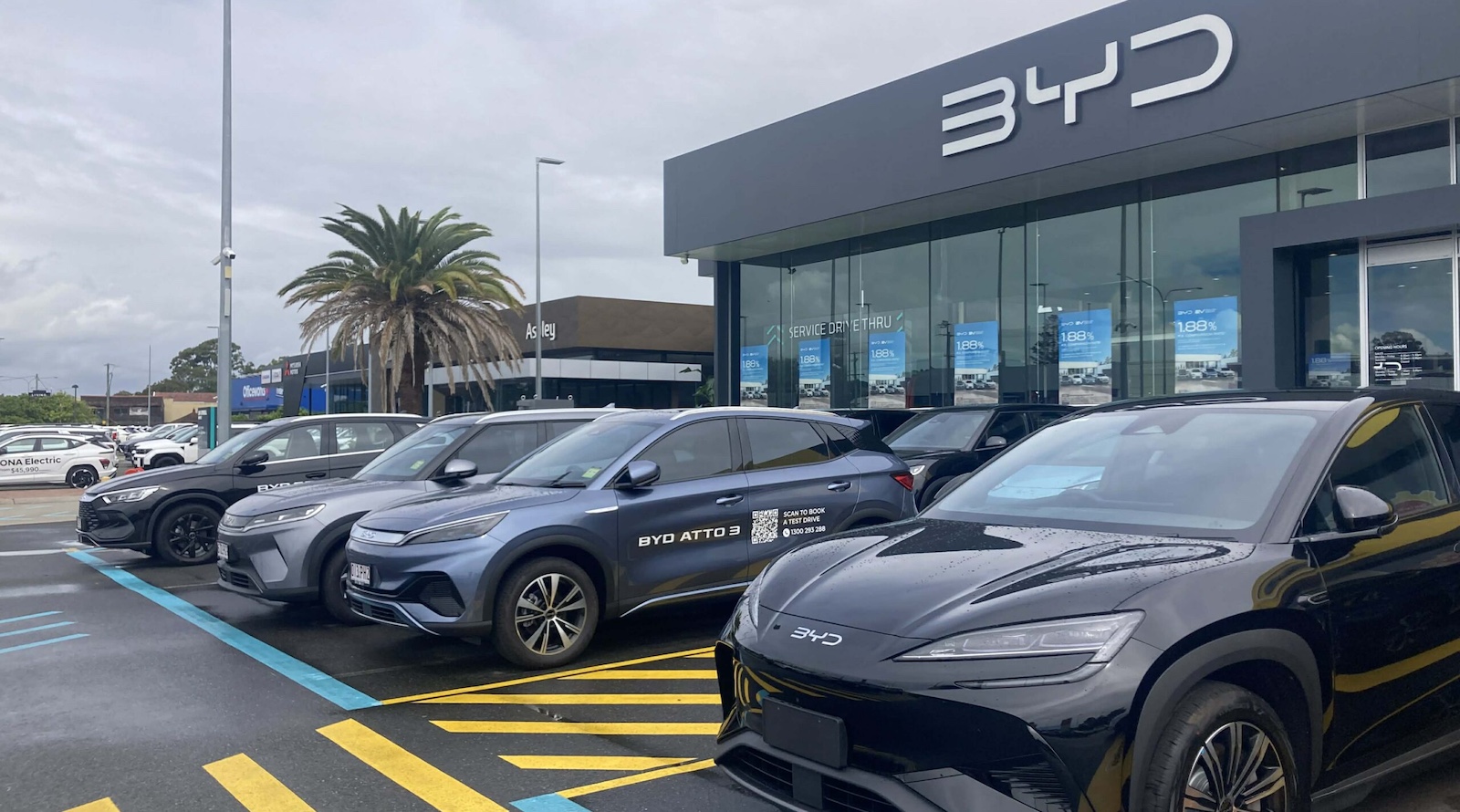
The Australian public’s growing preference for electrified vehicles is reflected in the dominance of brands like BYD and Toyota, with BYD closely trailing Toyota as the second highest-selling automaker. The Toyota RAV4 hybrid remains the top-selling individual model, but BYD’s Sealion 7 and other models like the Geely EX5 and Zeekr 7X are rapidly gaining ground. Tesla’s Model Y and Model 3 continue to perform well, but BYD’s expanding lineup and strong market presence have allowed it to overtake Tesla in unit sales. Notably, Japanese and European brands are largely absent from the top-selling EV lists, highlighting a market heavily influenced by Chinese and South Korean manufacturers.
Government incentives and rising fuel costs are key drivers behind the surge in EV adoption. The Federal Chamber of Automotive Industries (FCAI) credits the New Vehicle Efficiency Standard and the Electric Car Discount scheme for boosting supply and demand. The government’s recent confirmation to extend the discount into 2027 is expected to sustain this momentum. Tony Weber, FCAI’s chief executive, emphasised that with over 110 EV models now available in Australia, the market is well-positioned for continued growth, supported by both policy and consumer interest.
PHEVs remain an important segment within the plugin market, with BYD’s range leading sales, particularly models like the Shark 6 dual-cab ute and Sealion 8. Other notable PHEVs include the GWM Tank 300 Hi4 T, Mitsubishi Outlander, and Chery Tiggo 7 Super Hybrid. Meanwhile, rising petrol prices—now around $2.50 per litre—have prompted some Australians to reconsider traditional transport methods, even humorously resorting to horses to save fuel costs. The variability in electricity prices across regions also influences the cost-effectiveness of EV charging, with some users benefiting from solar power or off-peak tariffs.
Overall, the Australian automotive market is witnessing a significant transition away from internal combustion engines towards electrification. The steady increase in EV market share over the past six years—from negligible levels to nearly 27% in April 2026—suggests the country may be entering the rapid adoption phase of new technology. With government incentives, expanding model availability, and shifting consumer preferences, the outlook for