Summary By: eMotoXElectric vehicle (EV) fast charging queues have re-emerged in Australia amid a surge in EV sales, highlighting the limitations of relying solely on public fast chargers. The recent spike in EV purchases, particularly in urban areas where many residents live in apartments or rent without access to off-street parking, has intensified demand for accessible and affordable charging options. This situation has sparked interest in developing a comprehensive kerbside charging network, which would allow drivers to charge their vehicles conveniently on the street using slower, more cost-effective chargers.
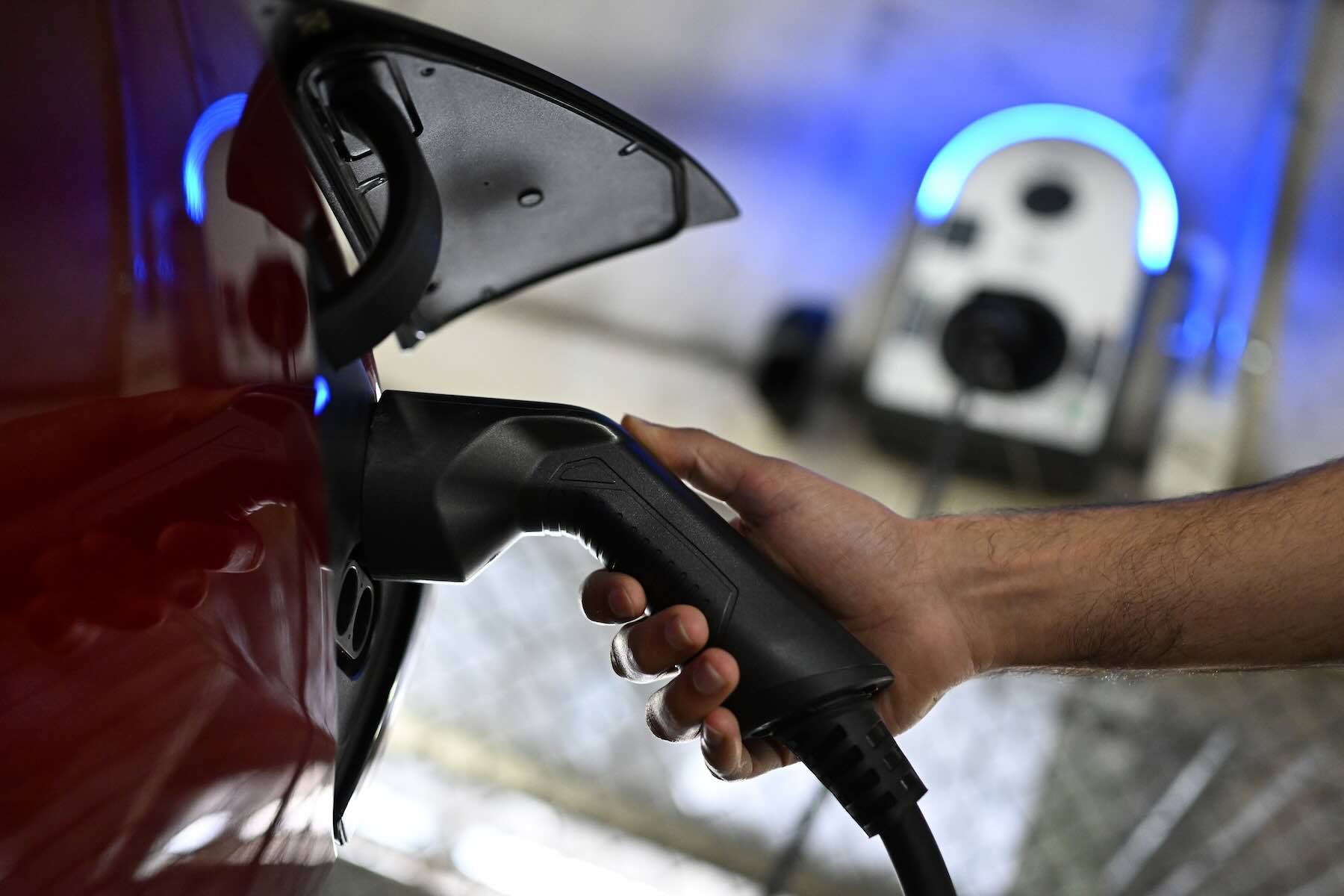
Kerbside chargers, typically installed on power poles or street furniture, operate at lower power levels than ultra-fast chargers but offer a practical solution for drivers without private parking. These chargers usually deliver between 7 and 22 kW, with some models providing up to 50 kW, striking a balance between charging speed and infrastructure costs. Importantly, kerbside chargers place less strain on the electricity grid and expand the overall network, giving EV drivers more options and reducing reliance on crowded fast charging stations. The Australian government has recognised this potential, committing A$40 million in grants to accelerate kerbside charger deployment, with electricity distributors actively lobbying to participate in the rollout.
Research conducted in partnership with Sydney councils Waverley, Woollahra and Randwick, which operate a network of 94 kerbside charging spaces, reveals key insights into usage patterns and optimisation strategies. The data shows that chargers near apartments and retail areas experience higher demand, particularly during daytime and evening hours, with little overnight use. While daytime charging aligns well with periods of abundant solar power generation, evening use coincides with peak grid demand, potentially necessitating costly infrastructure upgrades as EV adoption grows. Managing this demand through pricing incentives, such as higher charges during peak times, could encourage drivers to shift their charging habits and ease pressure on the grid.
The study also highlights a strong user preference for faster DC kerbside chargers (30-50 kW) over slower AC models, as these enable quicker charging sessions of around two hours compared to six hours for AC chargers. Faster chargers are more heavily utilised and deliver significantly more energy per day, making them economically advantageous despite higher upfront costs. They also require fewer dedicated parking spaces due to shorter occupancy times, which is crucial in dense urban environments. In response, the participating councils have expanded their DC charger installations and introduced parking time limits to prevent overstaying. However, many future kerbside charging plans still prioritise slower AC chargers without dedicated EV parking, a practice the research suggests should be reconsidered to maximise efficiency and user satisfaction.