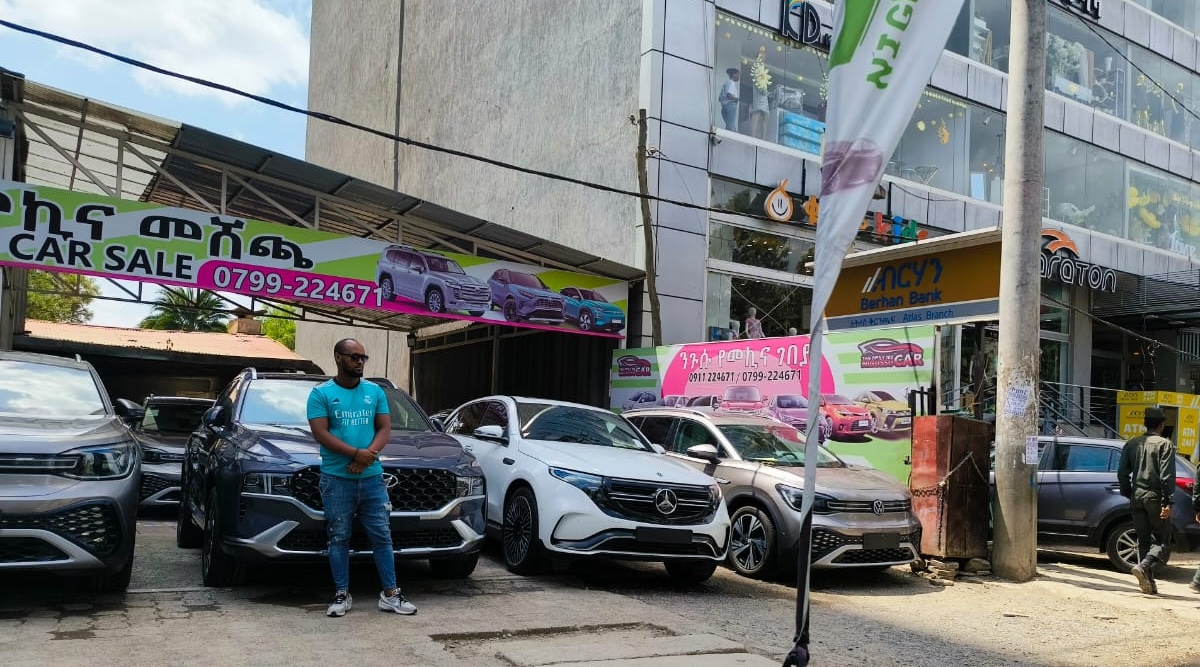
Summary By: eMotoXEthiopia is emerging as a frontrunner in Africa’s electric vehicle (EV) revolution, driven by a combination of economic necessity and environmental ambition. In a bold move two years ago, the government banned the importation of internal combustion engine vehicles to reduce the nation’s reliance on costly fuel imports. Despite frequent power outages and limited grid coverage outside major cities, the shift towards EVs is gaining momentum, with over 115,000 electric vehicles now on Ethiopian roads, representing about 8 percent of the country’s total car population.
The country’s EV surge is largely fuelled by imports from China, which supplied 44,358 electric cars in 2025 alone—more than double the previous year’s figure. This influx accounts for a third of all EV imports from China to Africa, surpassing other key markets such as South Africa and Nigeria. Ethiopia’s heavy expenditure on fuel imports, estimated at $4.2 billion annually, alongside substantial government subsidies, has made the transition to electric vehicles a strategic priority. The ongoing conflict involving Iran and the resultant disruption of fuel supplies through the Strait of Hormuz have further underscored the urgency of reducing dependence on imported fossil fuels.
Renewable energy plays a pivotal role in Ethiopia’s EV strategy, with around 90 percent of the country’s electricity generated from hydroelectric and solar sources. The Grand Ethiopian Renaissance Dam, poised to double electricity output, exemplifies the country’s commitment to expanding clean energy, despite geopolitical tensions with downstream neighbours Egypt and Sudan. The government has complemented these efforts with incentives such as exemptions from import duties on EVs, aiming to encourage adoption despite the high cost of electric cars relative to local incomes. Nonetheless, affordability remains a significant barrier, with even the cheapest models priced far beyond the reach of most Ethiopians.
Charging infrastructure, however, remains a critical challenge. Outside Addis Ababa, where fewer than 100 charging stations exist, rural areas are largely devoid of EV charging options, making long-distance travel impractical. Frequent power outages exacerbate these difficulties, limiting the usability of electric vehicles outside urban centres. While early adopters express satisfaction with their EVs, concerns about battery durability and vehicle depreciation persist among prospective buyers, though firsthand experience is gradually alleviating scepticism.
Ethiopia’s pioneering approach to electric vehicles highlights both the opportunities and obstacles facing Africa’s transition to sustainable transport. The government’s policies reflect a broader ambition to enhance energy security and reduce pollution, yet significant investments in infrastructure and affordability are essential to sustain growth. As Ethiopia continues to lead the continent in EV adoption, its experience may offer valuable lessons for other African nations grappling with similar economic and environmental challenges.