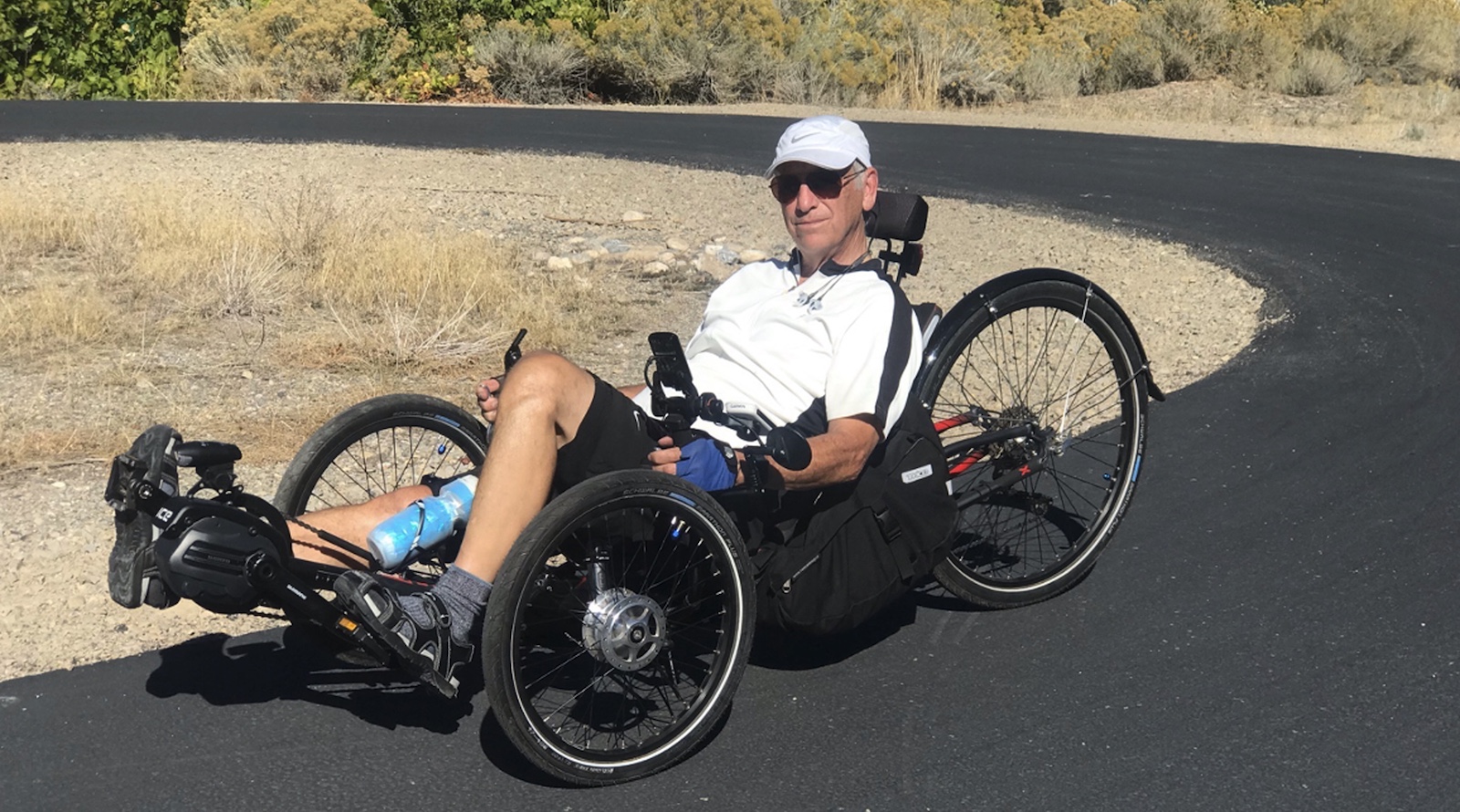
Summary By: eMotoXElectric-powered and assisted human transportation is undergoing a significant evolution, extending far beyond the increasingly common electric cars seen on UK roads. Personal electric mobility devices, ranging from ebikes to electric motorcycles, are becoming more diverse and accessible, often replacing larger, less efficient petrol vehicles. A variety of electric options now cater to different needs, including recumbent tandems, arm-powered trikes for those with limited leg function, and adult-sized electric tricycles designed for riders with balance challenges. These innovations demonstrate the growing appeal and practicality of electric personal transport on everyday trails and urban environments alike.
The article highlights the wide spectrum of electric mobility devices observed on the 14-mile Murdock bike trail in Utah, showcasing how electric transport is integrated into daily life. From traditional ebikes to more specialised vehicles like the “Not a Wheelchair” designed for handicapped users, the variety reflects the adaptability of electric technology to different physical abilities and preferences. The author also notes the presence of electric motorcycles capable of reaching speeds up to 60 mph, illustrating the performance potential of electric two-wheelers. Additionally, family-friendly electric bikes that can carry multiple passengers, including children, underline the versatility and growing acceptance of these vehicles for everyday use.
Historical context is provided by tracing the evolution of electric personal transport, starting with the Segway Human Transporter introduced in 2001, which pioneered modern electric mobility with lithium-ion batteries and microchip controllers. More recent innovations include the Onewheel, which demands greater rider skill due to its unique balance-based control system, and electric skateboards controlled via Bluetooth devices. The article also touches on the rise of rental electric scooters in urban areas worldwide, reflecting the global shift towards shared and sustainable micro-mobility solutions.
Performance and practical considerations are exemplified by the Zero SR/S electric motorcycle, which offers acceleration comparable to high-performance petrol bikes but with the benefits of electric propulsion. Priced around $20,000, it provides a smooth commuter experience with a range of 82 miles at 70 mph, though its limited charging infrastructure and range restrict its suitability for long-distance travel. Nonetheless, range extenders and Level 2 charging options enhance its usability. This underscores the ongoing challenges and advancements in battery technology and charging infrastructure that will shape the future of electric personal transport.
Overall, the expanding array of electric-powered human transport options signals a transformative shift in how people move, blending convenience, accessibility, and environmental benefits. As technology continues to advance and infrastructure improves, these electric devices are poised to become integral to daily mobility, offering sustainable alternatives to traditional vehicles for a broad spectrum of users. The diversity of electric transport solutions also points to a more inclusive future, where mobility is tailored to individual needs and lifestyles.