EV news article header featuring electric vehicle news, EV charging station, electric car updates and industry insights

News Menu

bicycle news feed and industry updates for eBike and cycling news
Click for Bicycle News
latest eBike news aggregator covering electric bike updates, reviews and industry trends
Click for eBike News
electric motocross news feed with latest dirt bike updates, reviews and industry insights
Click for eMotocross News
latest eScooter news aggregator featuring electric scooter news feed, updates, reviews and industry trends
Click for eScooter news
Article By:
The Driven
2026-06-09 05:46:07

Company fleets fear the home charger, but it’s the fastest, cheapest way to manage EVs

Summary By: eMotoX
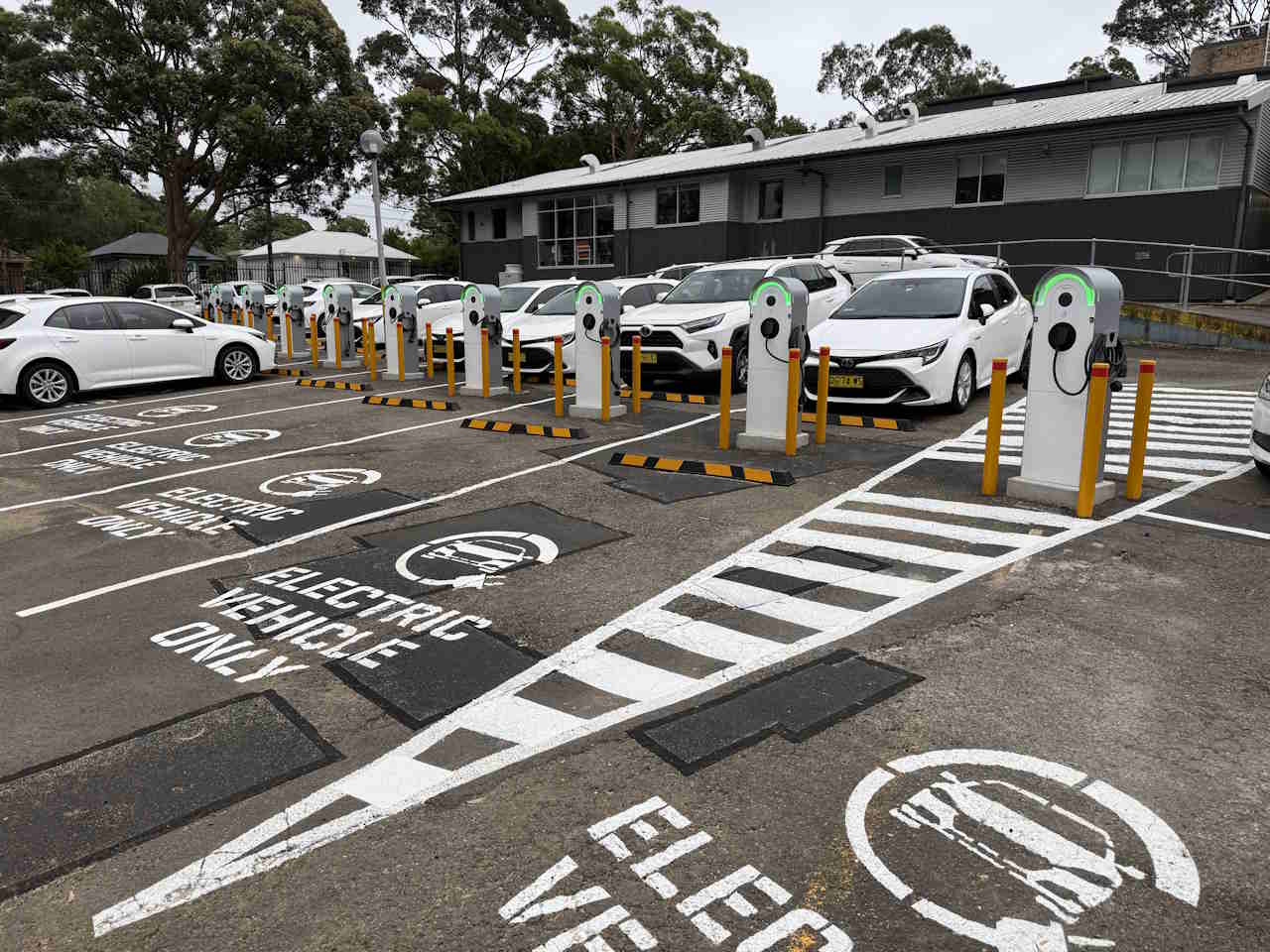
A government-backed trial in Australia has identified home charging as the most efficient and cost-effective method for companies to electrify their vehicle fleets. The study, funded by the Australian Renewable Energy Agency (ARENA) and conducted by charging operator Jet Charge, emphasises that allowing employees to charge company EVs at home accelerates the transition from fossil fuels. Despite its clear advantages, home charging presents challenges for fleet managers, who must contend with the complexities of relying on the electrical infrastructure of numerous private residences. Jet Charge’s research reveals that over 80 per cent of fleet EVs are parked at drivers’ homes overnight, necessitating a shift in how organisations approach fleet management. The trial explored a subscription charging-as-a-service (CaaS) model, where a third-party provider owns and maintains the charging hardware, thereby alleviating companies’ concerns about safety, compliance, and operational responsibility. This service-based ownership model was highlighted as a critical factor in making home charging schemes viable, as it removes the burden of infrastructure management from fleet operators. The report also highlights the practical benefits of home charging, including faster installation times—typically within a month compared to three months for workplace chargers—and gentler charging rates that are better for battery health. Furthermore, the cost of electricity for home charging, even when reimbursed at rates between 45p and 52p per kilowatt-hour, remains cheaper than traditional petrol or diesel fuel. However, the lack of direct control over home charger installations and the variability of residential wiring standards remain significant concerns for companies, especially given their duty-of-care obligations. Safety risks primarily stem from the installation rather than the EVs themselves, with insurers noting that correct use of appropriate equipment effectively mitigates fire hazards. Nonetheless, corporate fleets tend to reject portable charging solutions due to the inability to monitor or control these devices once deployed in private homes. Additionally, the report stresses that companies often underestimate the total cost of fleet electrification by focusing narrowly on fuel savings, overlooking factors such as insurance, maintenance, resale value, and battery health over the vehicle’s lifecycle. Ultimately, the findings suggest that fleet operators who adopt a long-term perspective—accepting initial costs and focusing on sustainability rather than immediate financial returns—are better positioned to manage the transition successfully. The shift towards managed service models and home charging infrastructure represents a pivotal development in fleet electrification, balancing practicality with operational risk and cost considerations.