EV news article header featuring electric vehicle news, EV charging station, electric car updates and industry insights

News Menu

bicycle news feed and industry updates for eBike and cycling news
Click for Bicycle News
latest eBike news aggregator covering electric bike updates, reviews and industry trends
Click for eBike News
electric motocross news feed with latest dirt bike updates, reviews and industry insights
Click for eMotocross News
latest eScooter news aggregator featuring electric scooter news feed, updates, reviews and industry trends
Click for eScooter news
Article By:
Charged EVs
2026-04-30 14:43:58

Can the legacy truck OEMs compete with Tesla and Windrose? Do they want to?

Summary By: eMotoX
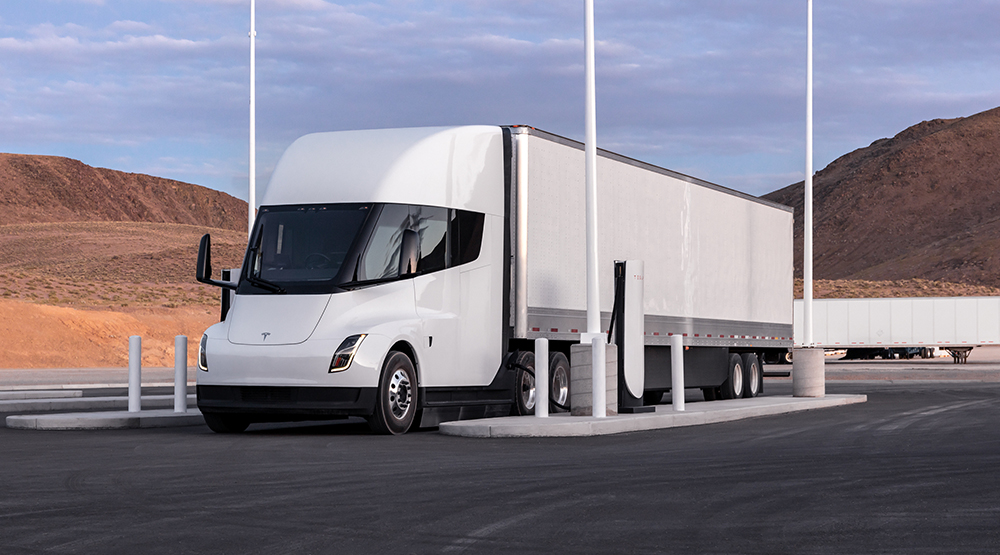
The electric truck market in the United States is undergoing a significant shift, with Tesla and the Chinese newcomer Windrose emerging as strong competitors in the Class 8 electric tractor segment. While Tesla’s Semi has moved into volume production, Windrose has begun delivering its R700 model, challenging the dominance of traditional truck manufacturers. This reversal of fortunes has positioned legacy original equipment manufacturers (OEMs) such as Volvo, Daimler, and Traton as underdogs in a market they once led, raising questions about their commitment and ability to compete effectively in the evolving electric vehicle (EV) landscape. Despite announcing new electric truck models, these established manufacturers appear to be hedging their bets by simultaneously lobbying against stringent emissions standards and investing in alternative technologies like hydrogen fuel cells. Reports suggest that these companies are actively working to slow the transition to electric trucks, particularly in the US and European markets. Their legal actions, including efforts to uphold the Trump administration’s rollback of climate regulations, stand in stark contrast to their public declarations of support for electrification and emissions reduction, revealing a complex and somewhat contradictory approach to the EV transition. Former EPA official Margo Oge has criticised the legacy truck makers for prioritising litigation over innovation and competition, arguing that their resistance to regulatory change undermines genuine climate leadership. She highlights that in China, electric trucks already account for about a quarter of new sales, with the country aggressively exporting these vehicles worldwide. Oge warns that the shift to cleaner trucks is inevitable, driven by market forces and regulatory trends, and legacy manufacturers face a stark choice: either embrace the competition or risk being left behind by more agile and forward-thinking rivals. The evolving dynamics in the electric truck sector have broader implications for the future of commercial transport and environmental policy. As Tesla and Windrose push forward with production and market expansion, the pressure mounts on traditional OEMs to accelerate their electrification efforts or cede ground to these emerging players. The ongoing tension between regulatory lobbying and product development suggests that the next few years will be critical in determining which companies will lead the transition to sustainable trucking and which will fall by the wayside.