Summary By: eMotoXAustralia is experiencing a significant surge in battery energy storage systems (BESS), which is set to reduce electricity costs for many residential and small business consumers by around 10 percent in the coming year. This growth in battery storage, combined with increased solar and wind power generation, has stabilised the energy market despite global disruptions such as the closure of the Strait of Hormuz. Clare Savage, head of the Australian Energy Regulator, highlighted that batteries are increasingly replacing more expensive gas and hydro power during peak evening hours, leading to flatter and more predictable electricity prices throughout the day.
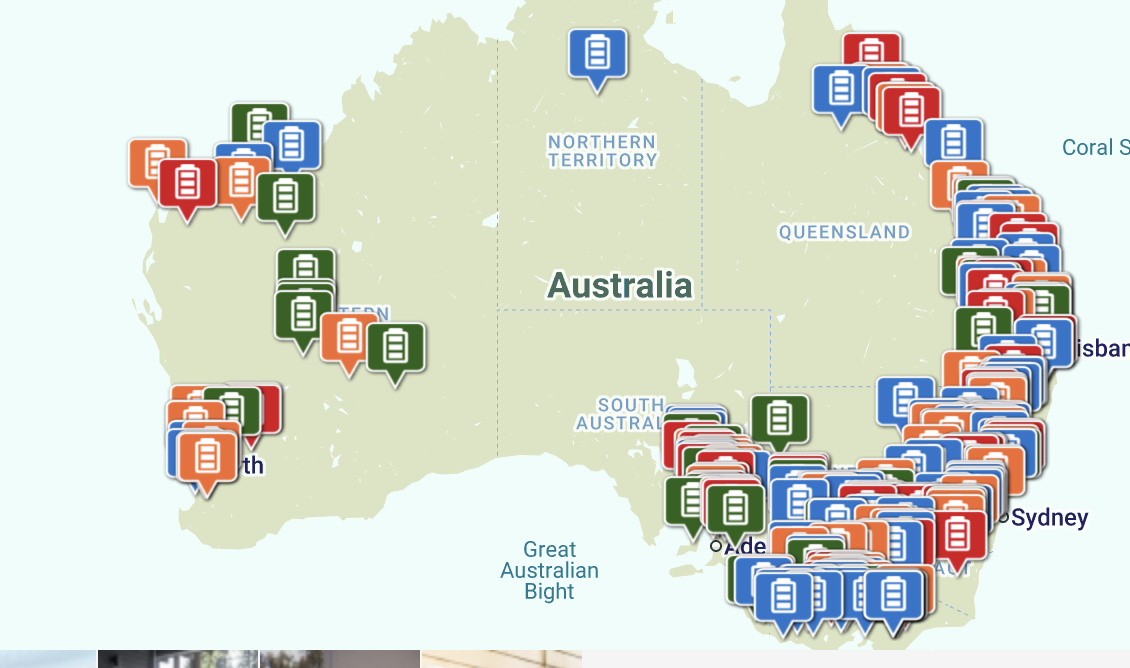
The expansion of battery storage is evident not only in large grid-scale installations but also at the residential level, with over 415,000 home storage batteries added in the past year—approximately one for every 25 households. Industry experts like Tristan Edis of Green Energy Markets emphasise that Australia’s rapid adoption of battery technology demonstrates the country’s leadership in this field, making it a key market for manufacturers. Tennant Reed from the Australian Industry Group noted that batteries are now taking over the traditional role of gas-fired plants in meeting evening peak demand, offering a more cost-effective and cleaner alternative that is gradually displacing gas peaker plants even as electricity demand rises.
Battery storage plays a crucial role in making renewable energy sources like solar and wind dispatchable, addressing the intermittent nature of these power supplies by storing excess energy generated during peak production times for use later. This capability challenges long-standing criticisms of renewables and has become increasingly viable as battery costs have fallen in recent years. The geopolitical tensions affecting fossil fuel prices, particularly due to conflicts in the Middle East, have further underscored the economic and strategic advantages of renewable energy storage solutions, with Australia now ranking fourth globally in energy storage capacity despite its relatively small population.
Globally, battery storage capacity saw a record increase in 2025, with 112 GW added worldwide, and projections suggest this will rise to 158 GW in 2026 and potentially exceed 300 GW annually within a decade. Australia’s deployment of battery storage grew nearly sixfold from 2024, supported by favourable market conditions and new subsidies for residential systems. This rapid growth is reshaping energy markets, as seen in South Australia’s recent auction where all the lowest bids for firm, dispatchable power came from battery storage providers rather than thermal generators, signalling a shift away from fossil fuel dependency.
The ongoing transition to battery storage has tangible impacts on fossil fuel use, with gas-fired electricity generation in Australia dropping by 24 percent over a recent summer period compared to the previous year. This trend mirrors global shifts, such as California’s 60 percent reduction in methane use for electricity over three years. As battery storage continues to expand and become more cost-competitive, it is poised to play a central role in Australia’s energy future, offering more stable, affordable, and cleaner electricity while challenging the dominance of traditional fossil fuel power sources.