Summary By: eMotoXElectric vehicle sales in Australia surged to a record 16.46 per cent market share in April 2026, marking a significant increase amid rising fuel prices and geopolitical uncertainties affecting oil supplies. The latest figures, released by the Federal Chamber of Automotive Industries (FCAI) and the Electric Vehicle Council, show that 15,459 full battery electric vehicles (BEVs) were sold during the month, slightly down from March but representing a notable jump from 6.6 per cent market share in April 2025. Year-to-date EV sales have already more than doubled compared to the same period last year, signalling a strong and sustained shift towards electrification in the Australian automotive market.
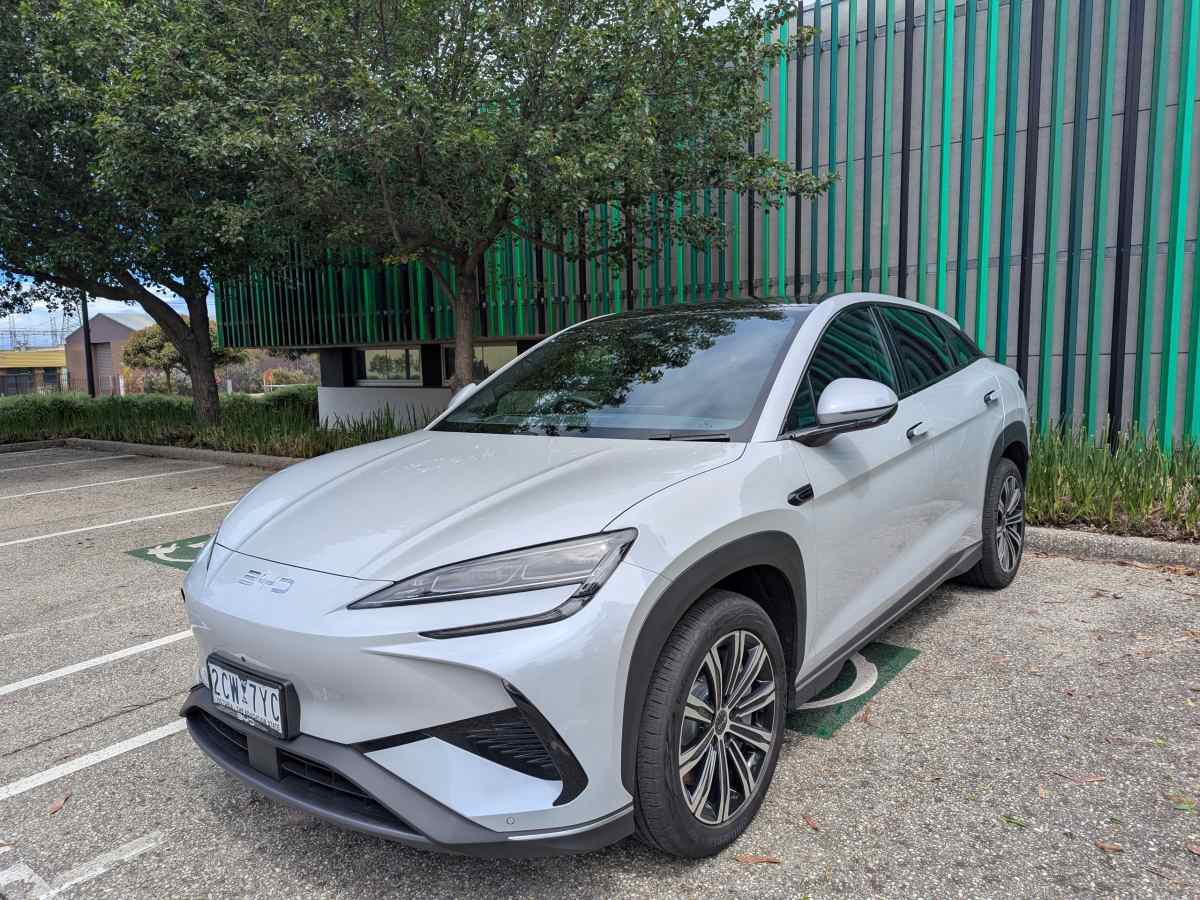
Chinese manufacturers dominated the EV segment, with BYD emerging as the leading brand, followed closely by Geely and Zeekr. BYD’s Sealion 7 SUV led the electric sales charts with 1,780 units sold in April, and it is closing in on the Tesla Model Y as the best-selling car overall this year, trailing by fewer than 500 units. Tesla’s Model Y fell to fourth place in April, with 822 sales, while the Geely EX5 and Zeekr 7X benefited from new finance incentives and strong deliveries, respectively. Other notable performers included the Kia EV5 and Omoda Jaecoo J5 EV, both showing solid growth in the competitive SUV segment.
The rise in EV sales is attributed to a combination of increased vehicle supply and government incentives. FCAI CEO Tony Weber highlighted the impact of the New Vehicle Efficiency Scheme and the Federal Government’s Electric Car Discount, which has been extended and continues to stimulate demand. Weber emphasised that with around 110 EV models now available in Australia, the market is well-positioned for further growth, particularly as the end of the financial year approaches, traditionally a busy period for car sales.
Plug-in hybrid electric vehicles (PHEVs) also saw an increase in sales, with 9,628 units sold in April, up from just over 8,200 in March. This growth in both BEV and PHEV segments reflects a broader consumer shift towards cleaner vehicle technologies. The ongoing expansion of EV model availability and supportive policies suggest that first-time EV buyers will continue to enter the market in significant numbers, reinforcing Australia’s transition to sustainable transport options.
Looking ahead, the momentum behind electric vehicles in Australia is expected to strengthen, driven by competitive pricing, expanding product ranges, and sustained government support. The continued success of brands like BYD, alongside established players such as Tesla, indicates a diversifying market landscape. As infrastructure and consumer confidence improve, the Australian EV market is poised for further rapid development in the coming years.