Article By:
Charged EVs
2026-05-14 15:47:38
As other automakers retrench, Toyota has four new EVs in the works
Summary By: eMotoX
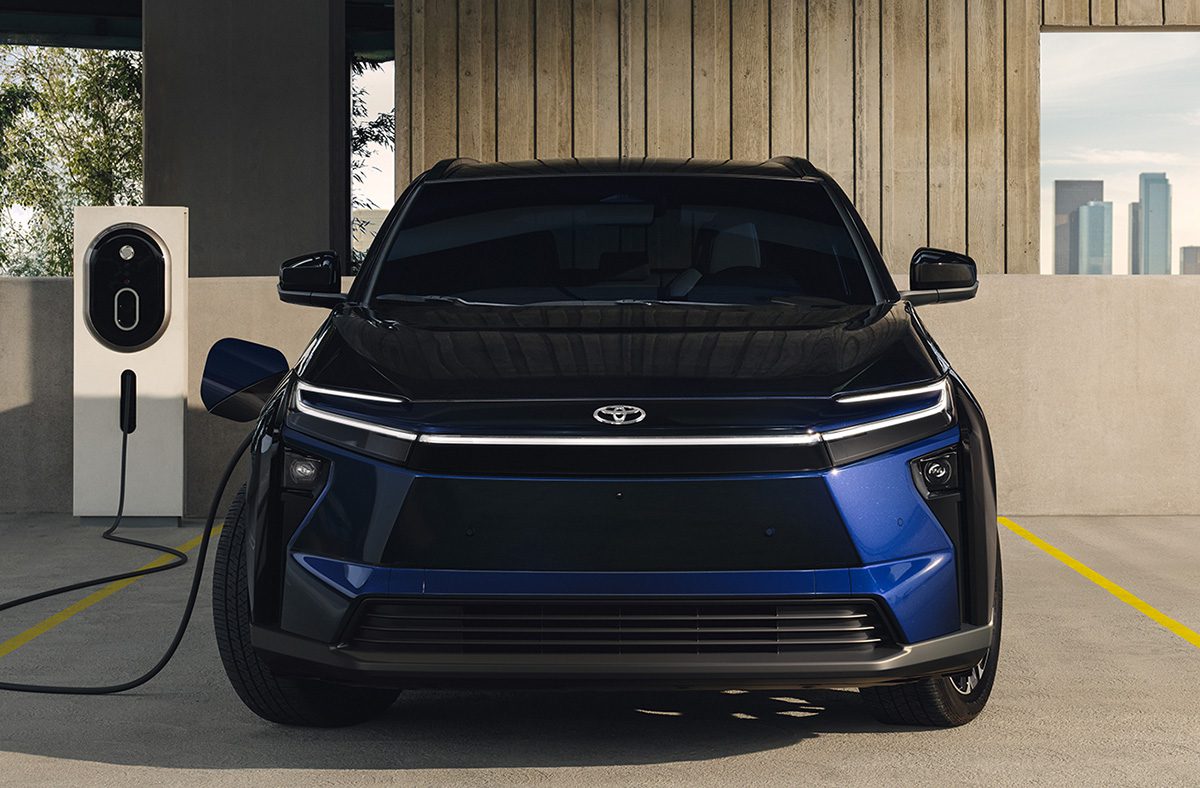
Toyota is preparing to launch four new electric vehicles (EVs) in the US market, alongside two additional models from its Lexus brand, signalling a significant shift in its long-standing approach to electrification. This move comes despite recent regulatory rollbacks in the US, such as the easing of Corporate Average Fuel Economy (CAFE) penalties and the end of zero-emission vehicle mandates, which have led some automakers to scale back EV investments. Toyota’s decision reflects a carefully planned strategy rather than a reaction to immediate market pressures, highlighting its commitment to competing in the EV sector after years of focusing primarily on hybrids.
The company’s EV rollout is part of a broader global plan to introduce around 30 battery-electric models by 2030, many of which will target emerging markets in Asia and Latin America where demand for affordable EVs is rising. In North America, Toyota will produce the electric Highlander at its Kentucky plant, sourcing batteries from a new $13.9 billion facility in North Carolina. This battery plant is designed to support not only battery-electric vehicles but also hybrids and plug-in hybrids, allowing Toyota to maximise its investment and maintain flexibility across its electrified lineup.
Toyota’s approach to EVs exemplifies its characteristic long-term thinking and incremental innovation. The company has historically taken a cautious path, exemplified by its decade-long investment in hybrid technology before achieving profitability with the Prius. Similarly, Toyota’s first EV in the US, the bZ4X, launched in 2022, faced criticism for its slow charging and limited driver information, but the company has since applied its philosophy of continuous improvement, or kaizen, to refine the model. Industry observers note that Toyota’s strength lies in its ability to methodically develop technology and improve products over successive generations, positioning it to compete effectively despite a slow start.
Analysts suggest Toyota’s main competitive concern is not the traditional giants like Volkswagen or General Motors, but rather rapidly innovating rivals such as Hyundai. The substantial investment in the North Carolina battery plant and the production of the electric Highlander demonstrate Toyota’s commitment to catching up and potentially leading in the EV market. While the transition may involve missteps and take time, Toyota’s track record indicates that once it commits to a direction, it can successfully develop profitable and appealing vehicles.
Looking ahead, Toyota’s expanded EV portfolio and strategic investments signal its readiness to engage more fully in the electric vehicle market, balancing its hybrid heritage with the demands of a changing automotive landscape. The company’s methodical and resource-backed approach suggests it aims to be a long-term player in electrification, adapting to evolving consumer preferences and regulatory environments while leveraging its engineering expertise and manufacturing scale.