Article By:
The Driven
2026-06-04 03:36:45
An EV is being sold every two minutes in Australia, ACT hits 36.5 pct electric share
Summary By: eMotoX
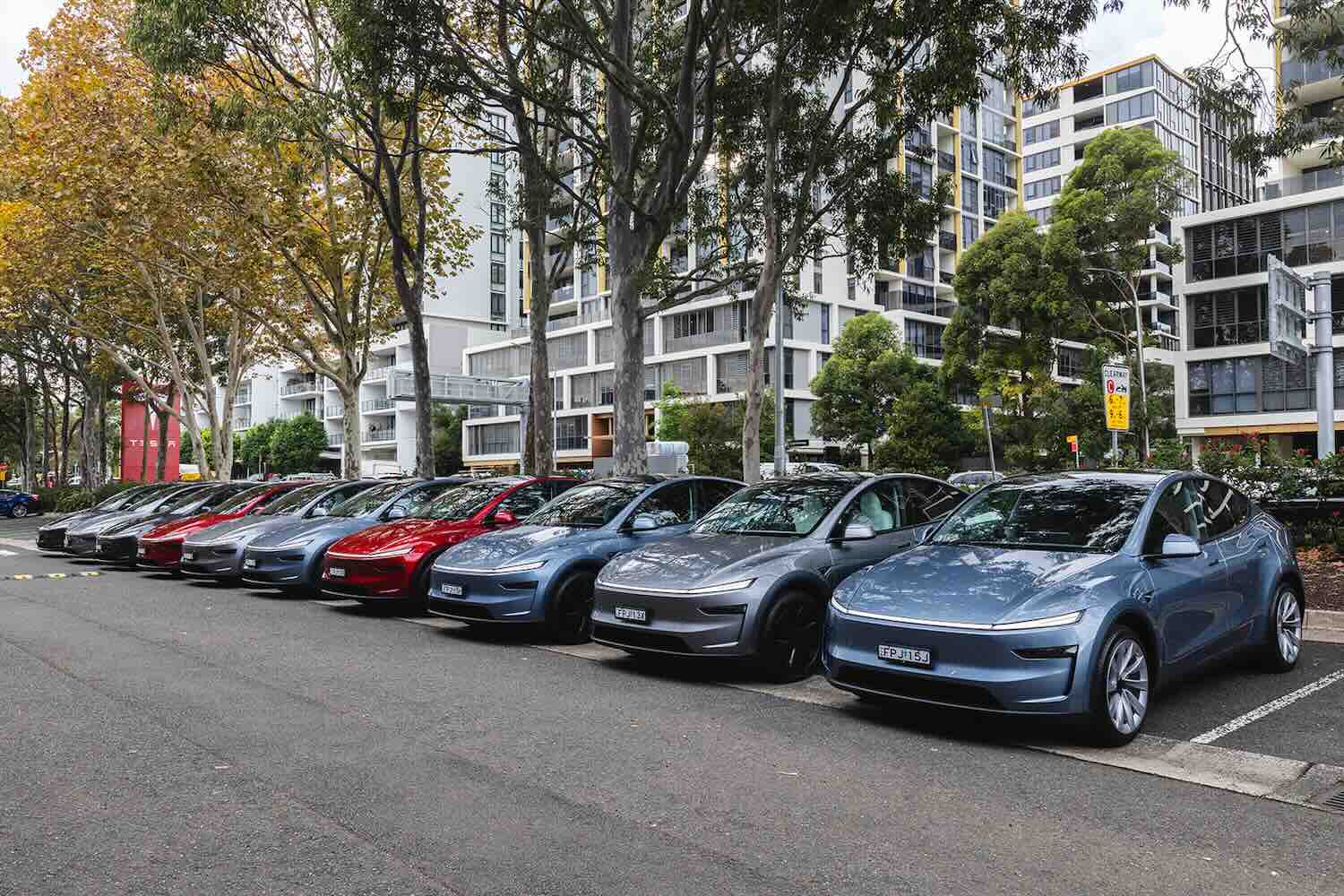
Electric vehicle (EV) sales in Australia have reached a historic milestone, with battery electric vehicles (BEVs) being sold at a rate of approximately one every two minutes during May 2026. This surge contributed to nearly 30 per cent of all new vehicle sales being electric, including plug-in hybrids, marking the first time an EV has topped the national sales charts. The Tesla Model Y, a midsize SUV, emerged as the best-selling vehicle in the country for the month, underscoring the growing consumer shift towards electrified transport.
The Australian Capital Territory (ACT) continues to lead the nation in EV adoption, hitting a record 36.5 per cent electric vehicle share in new car sales for May. This brings the total EV share in the ACT’s existing fleet to 4.7 per cent. Nationally, BEVs alone accounted for 20.6 per cent of new vehicle sales, more than doubling compared to the previous year, while all electrified vehicles—including hybrids—made up 46 per cent of the market. These figures reflect a rapid change in consumer preferences, particularly in the popular SUV segment.
Industry leaders attribute the rise in EV sales to a combination of factors including rising fuel prices, increased vehicle choice, and supportive government policies. Julie Delvecchio, CEO of the Electric Vehicle Council, highlighted that cost-of-living pressures have driven many Australians to seek more economical and practical transport options. She noted that EVs offer significant savings on fuel and maintenance, which appeals to households looking to reduce expenses amid volatile petrol prices.
The Federal Chamber of Automotive Industries (FCAI) emphasised the speed at which consumers are embracing lower-emission vehicles, with Tony Weber pointing out the notable shift in the SUV market towards hybrid and electric models. Meanwhile, the Electric Vehicle Council called for accelerated investment in charging infrastructure to keep pace with the growing demand. Delvecchio stressed the importance of coordinated efforts across federal, state, and local governments to ensure that the necessary infrastructure is in place to support the expanding EV market.
Looking ahead, the extension of the Federal Government’s Electric Car Discount and the introduction of new vehicle efficiency standards are expected to sustain this momentum. As more Australians transition to electric vehicles, the industry anticipates continued growth in sales and infrastructure development, signalling a significant step forward in the country’s transition to cleaner, more affordable transport.