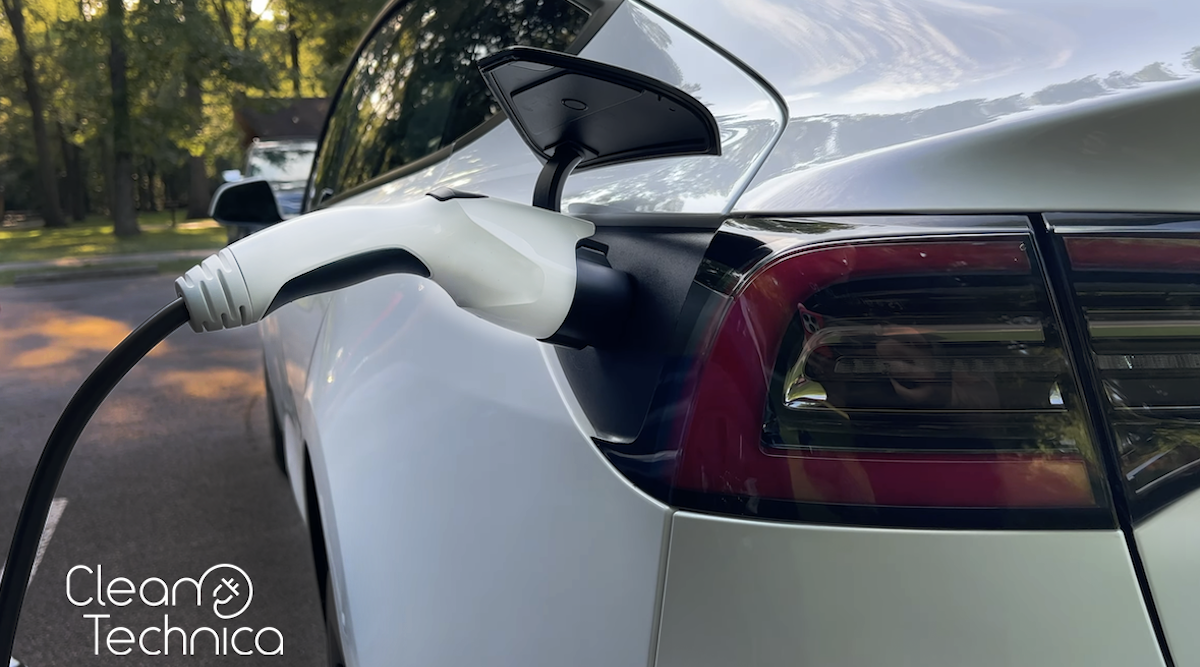
Summary By: eMotoXCalifornia leads the United States in electric vehicle (EV) adoption, boasting not only the highest number of fully electric cars but also an extensive network of EV chargers. While public charging stations often receive the most attention, the state is estimated to have around 800,000 home EV chargers, far surpassing its 200,000 public chargers. This substantial home charging infrastructure supports the majority of EV use, as approximately 80 percent of charging takes place at private residences, reducing the immediate need for an expansive public charging network.
The prevalence of home chargers challenges common misconceptions about EV infrastructure, particularly the belief that public chargers must match the number of gas station fuel pumps. Many drivers, especially those living in single-family homes, can rely almost entirely on home charging for their daily needs, making public chargers more of a supplementary resource for longer journeys or those without access to home charging. However, multifamily housing such as apartments and condos still lack sufficient onsite charging, which remains a barrier to broader EV adoption in urban areas.
Government incentives and relatively affordable costs have made home EV chargers accessible to many drivers, with some units priced under £1,000 excluding installation. This affordability contrasts sharply with misleading claims that EV chargers cost exorbitantly, which have been propagated by some politicians. The convenience of home charging, combined with the growing number of installations, suggests that the US charging infrastructure is evolving effectively, even if public awareness remains focused disproportionately on public chargers.
Looking ahead, projections from the Department of Energy indicate that by 2030, the US will require 28 million EV charging ports to support an anticipated 33 million electric vehicles. Of these, the vast majority—around 92 percent—are expected to be private Level 1 and Level 2 chargers at single-family homes. This forecast underscores the central role of home charging in the EV ecosystem, while public and workplace chargers will serve as critical supplements for multifamily residences and long-distance travel.
Beyond cars, electric bikes also contribute to the growing electric mobility landscape, with their own home charging setups that are both inexpensive and convenient. The expansion of EV infrastructure, particularly home charging, is helping to overcome range anxiety and accessibility concerns, paving the way for broader adoption. While public charging remains important, especially for urban dwellers and fleet vehicles, the current and projected growth of home chargers highlights a more nuanced and optimistic picture of EV readiness in California and beyond.