Article By:
CyclingNews
2026-05-10 17:49:25
'You still have to be careful' – Masked up Giro d'Italia riders touch down in Italy after travel from Bulgaria
Summary By: eMotoX
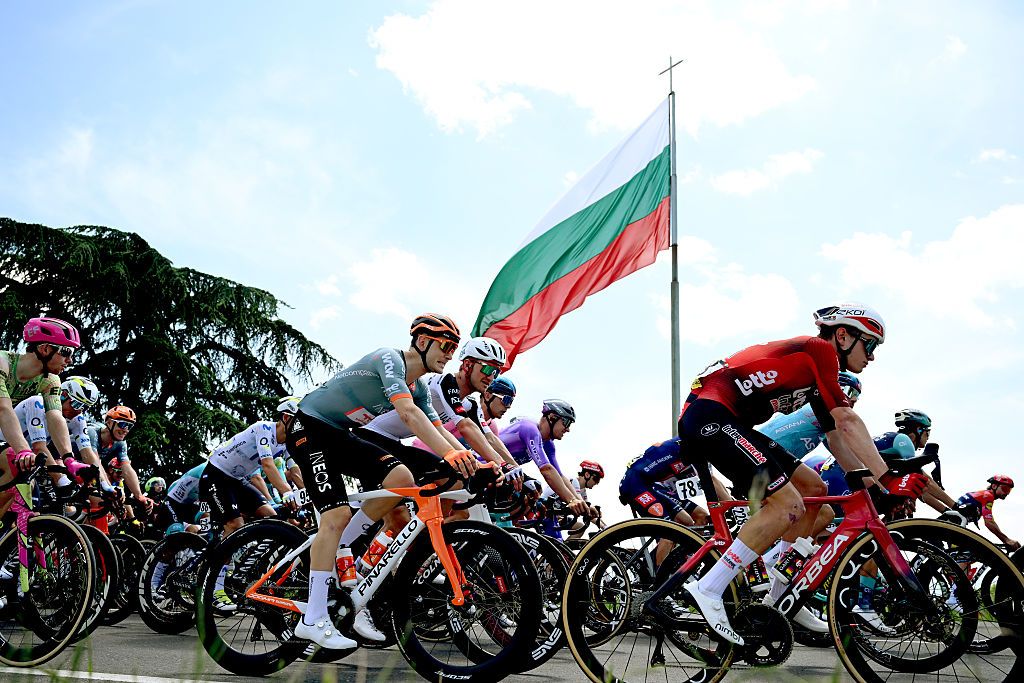
The Giro d’Italia peloton completed a significant transfer from Bulgaria to Italy on Sunday evening ahead of the race’s first rest day on Monday. Riders undertook a flight lasting approximately one hour and 45 minutes, arriving near the stage 4 start in Catanzaro. Some competitors, including pre-race favourite Jonas Vingegaard, wore face masks during the journey as a precaution against illness, highlighting ongoing concerns about health and safety even early in the race.
The logistics of this transfer marked a considerable improvement compared to earlier editions of the Giro, which were often plagued by lengthy and unpredictable travel arrangements. Jayco-AlUla sports director Steve Cummings recalled a particularly challenging transfer in 2007 involving an extended boat journey, contrasting it with the current well-organised flight and hotel arrangements. Despite the complexity of moving riders, staff, and equipment across borders and time zones, the operation was expected to proceed smoothly, with teams allocated specific seats on the flight and luggage transported separately by cargo plane.
However, not all team personnel made the journey to Italy. Many vehicles and support staff remained in Bulgaria to prepare for the upcoming Tour de Hongrie, a five-day race starting shortly after the Giro’s rest day. This split in logistics means some staff face long drives to Hungary and back, adding another layer of complexity for teams managing multiple race commitments. Cummings noted that the current arrangement is more manageable thanks to the overlapping race schedules, which would otherwise make such transfers far more complicated.
In terms of rider recovery and preparation, the rest day in Italy is expected to be relatively normal despite the travel. Cummings emphasised the importance of careful nutrition and balancing recovery with light activity, particularly given the early stage of the race when riders are still fresh. Most teams planned easy rides or brief reconnaissance of the upcoming stage routes, with the focus on maintaining form without overexertion. The smooth transfer and rest day setup should help riders refocus on the competition as the Giro progresses.
Overall, the transfer from Bulgaria to Italy reflects the evolving professionalism and logistical sophistication of modern Grand Tours, even amid ongoing challenges such as health precautions and tight race calendars. While the journey required careful coordination and some riders expressed mild frustrations about additional travel, the operation was largely successful in minimising disruption. As the Giro continues, teams will need to maintain this level of organisation to manage the demands of a packed racing schedule across multiple countries.