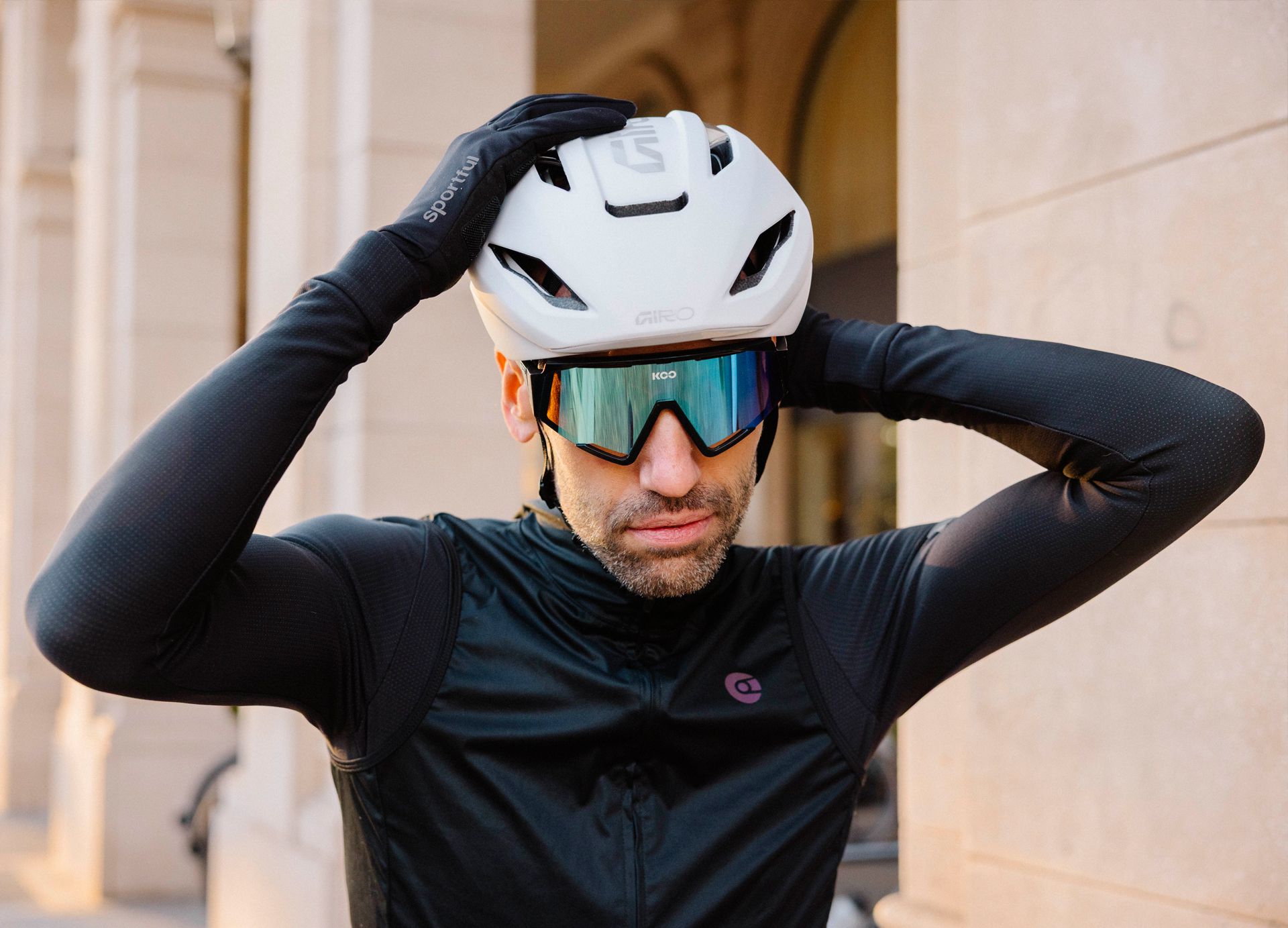
Summary By: eMotoXCycling helmets, a critical safety component for riders, require regular replacement to maintain their protective qualities, even if they appear undamaged. Unlike other bike parts with clear wear indicators, helmets lack straightforward measures to assess their condition. Most manufacturers and safety organisations recommend replacing helmets every three to five years, regardless of visible wear or crash history, to ensure continued effectiveness. This guidance is supported by independent bodies such as Snell and Consumer Reports, although some authorities like the U.S. Consumer Products Safety Commission suggest a longer lifespan of up to ten years.
The degradation of helmets is influenced by multiple factors, including exposure to ultraviolet (UV) light, sweat, and chemicals such as sunscreen or insect repellent. Helmets are composed of several parts—retention straps, internal padding, protective layers like MIPS or WaveCel, and the external shell—all of which age at different rates. UV exposure is particularly damaging, causing materials and adhesives within the helmet to dry out and become brittle over time. This weakening of the glue and other components can compromise the helmet’s overall structural integrity, even if the outer shell looks intact.
Research into helmet longevity reveals that the core protective foam (EPS) does not necessarily lose impact attenuation properties with age, suggesting that helmets can remain effective in absorbing shocks over many years. However, other elements such as straps, padding, and adhesives are not assessed in these studies and may degrade, reducing the helmet’s overall safety. Manufacturers like Lazer and Giro advise replacement within a three to five-year window, emphasising that usage patterns and environmental exposure are key factors in determining when to retire a helmet.
Experts highlight that helmets used frequently in harsh conditions, such as daily commuting in sunny climates, may require earlier replacement compared to those stored carefully and used less often. Steven Kennedy, senior director of research and development at Giro, points out that UV exposure is the primary cause of material deterioration, particularly affecting the glue that holds helmet components together. This degradation can lead to brittleness and reduced performance, underscoring the importance of proactive replacement even in the absence of a crash.
Ultimately, cyclists are encouraged to follow manufacturer recommendations and consider their own usage and storage conditions when deciding to replace a helmet. While a helmet may appear serviceable after several years, unseen ageing processes can diminish its protective capability. Regularly updating helmets ensures riders maintain optimal safety on the road or trail, reflecting a prudent balance between cost and risk management in cycling safety.