

News Menu




Article By:
Cycling Weekly
2026-04-17 07:00:00
'We've got loads of amazing technology now, but fewer size options' – whatever happened to women-specific sizes?
Summary By: eMotoX
The landscape of women-specific bike sizing and design has shifted significantly over the past decade. Once a common feature in bike shops, women-specific models offered tailored frame geometries such as shorter top tubes, taller head tubes, and narrower handlebars, reflecting the belief that female riders required distinctly different bikes from men. Brands like Specialized, Trek, and Cannondale once maintained dedicated women’s ranges, while Giant’s Liv brand stood out as a bold, female-focused initiative offering bikes, apparel, and race teams designed entirely around women’s needs. However, the availability of these models has dwindled as many manufacturers have integrated women’s bikes into broader “unisex” platforms.
This transition has been driven by a combination of philosophical and commercial factors. Sales of women-specific road bikes have generally lagged behind men’s models, making it costly for companies to sustain separate production lines and inventory for gender-specific frames. Rationalising ranges into unified platforms simplifies manufacturing and logistics, reducing financial risk. The pivotal moment came in 2019 when Specialized announced its “Beyond Gender” approach, citing extensive fit data indicating that body proportions vary more within genders than between them, leading to the retirement of women-specific models like the Ruby and Dolce. Other major brands, including Trek, Cannondale, and Canyon, followed suit, favouring shared frames with adjustments made primarily at the contact points rather than the frame geometry itself.
Despite this consolidation, the industry has not reached a consensus. Liv and Giant continue to advocate for gender-specific designs based on anthropometric data showing average differences in body proportions between men and women, such as leg-to-torso ratios and shoulder width. Meanwhile, companies like Specialized emphasise a “human-centric” rather than “gender-centric” approach, focusing on individual fit over broad gender categories. Todd Carver, Specialized’s head of human performance, highlights that the variability within genders is substantial, and that designing for the individual rider’s body size and shape is more effective than adhering to traditional gender norms in bike geometry.
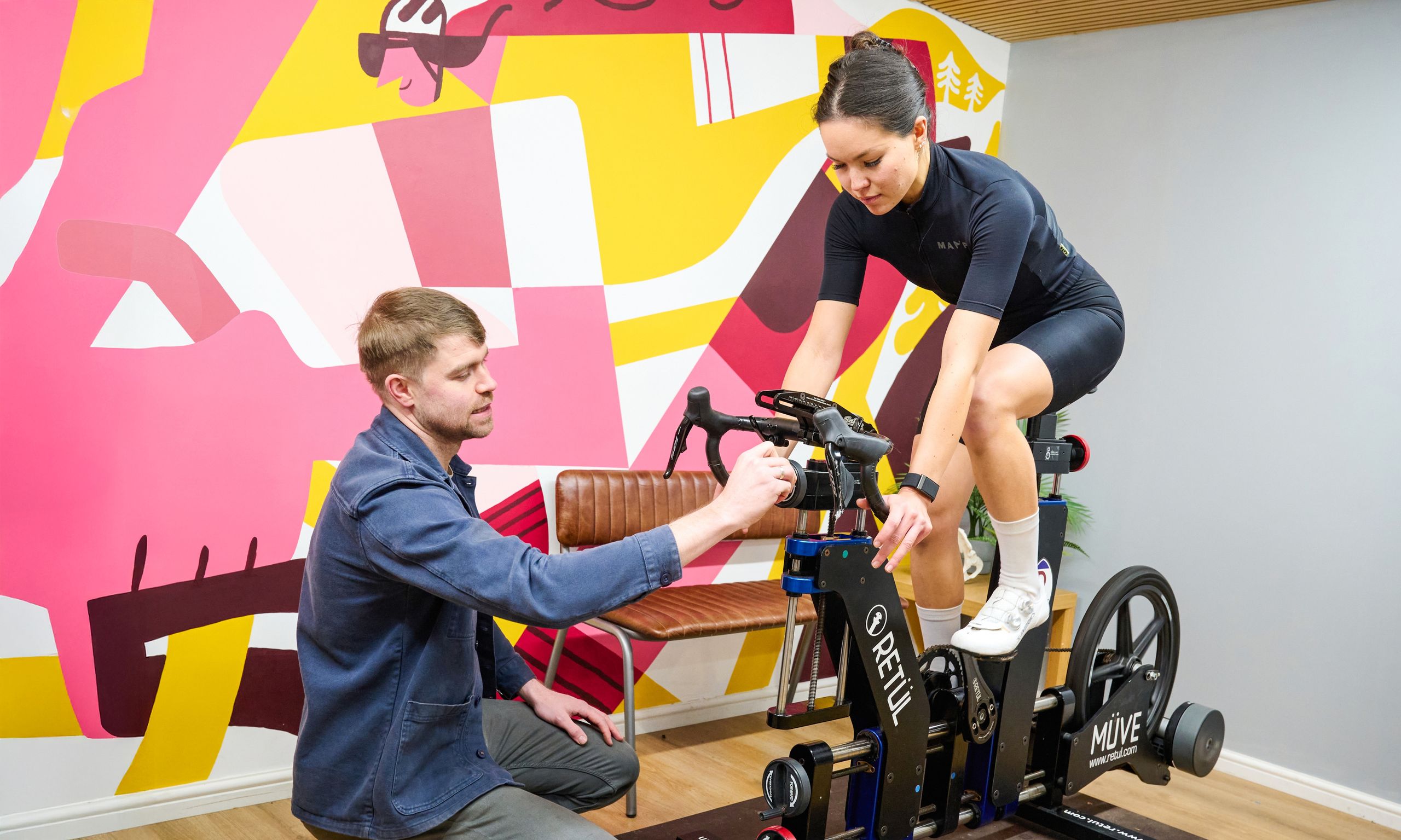
Adjustments to contact points have become the primary method for catering to different rider needs within shared frame platforms. For instance, Specialized now fits smaller bikes with wider saddles to better accommodate female anatomy, addressing one of the more pronounced differences in rider preference. This nuanced approach aims to serve a broader range of riders without the complexity and cost of maintaining separate frame designs. While this strategy may streamline production and offer more size options, it also raises questions about whether the unique requirements of female cyclists are fully met as women-specific models become less common.
The ongoing debate reflects a broader tension between inclusivity, commercial viability, and the pursuit of optimal fit in cycling. As brands continue to refine their approaches, the challenge remains to balance data-driven design with the diverse realities of rider bodies. For women in particular, the shift away from explicit women-specific sizing may offer more choice in theory but risks obscuring the specific needs that originally justified separate designs. The future of bike fitting and design will likely depend on further advances in