bicycle news article header featuring cycling news, bike updates, reviews and industry insights

News Menu

latest eBike news aggregator covering electric bike updates, reviews and industry trends
Click for eBike News
electric motocross news feed with latest dirt bike updates, reviews and industry insights
Click for eMotocross News
latest eScooter news aggregator featuring electric scooter news feed, updates, reviews and industry trends
Click for eScooter News
electric vehicle news aggregator featuring latest EV updates, charging and technology news
Click for EV news
Article By:
Cycling Weekly
2026-04-24 07:15:00

Watts in your ears: Could vagus nerve stimulation make you faster?

Summary By: eMotoX
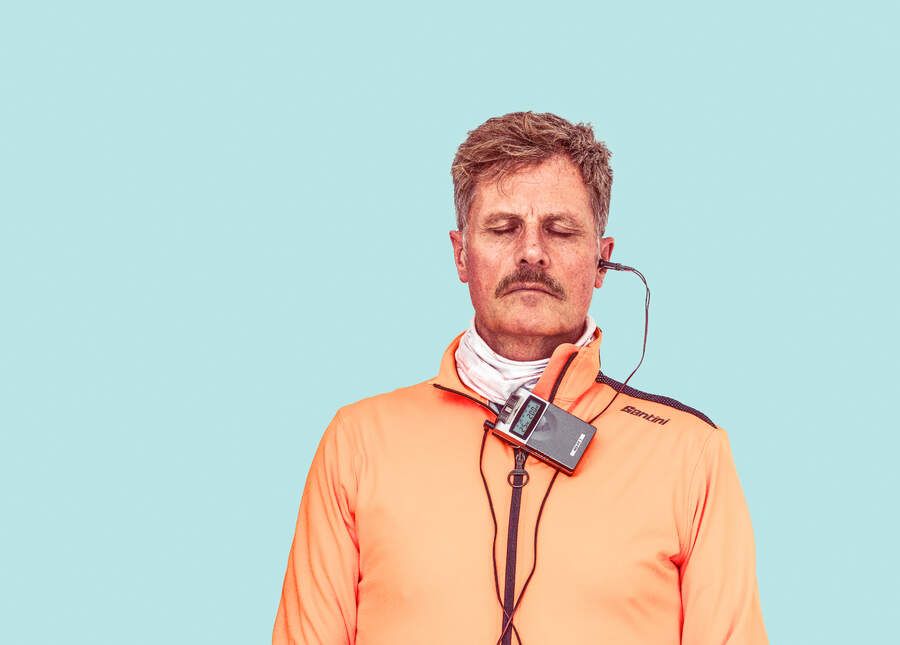
Non-invasive vagus nerve stimulation (tVNS) has emerged as a potential method to enhance exercise capacity, according to a recent study led by Professor Gareth Ackland at Queen Mary University of London. The research, published in the European Heart Journal in early 2025, involved 28 healthy adults who underwent bilateral ear stimulation for 30 minutes daily over two separate week-long periods. Results showed a modest but notable increase in VO2max by nearly 4%, alongside improvements in work rate and respiratory rate during peak exercise, as well as a significant reduction in markers of inflammation. The vagus nerve, which plays a crucial role in regulating heart rate, breathing, inflammation, and stress, can be stimulated through electrodes placed on the tragus and cymba concha of the ears. This non-invasive approach utilises a TENS device to deliver electrical impulses, aiming to influence brain plasticity and autonomic nervous system function. Although the study’s small sample size limits broad applicability, its rigorous design—including blinded, randomised, sham-controlled phases—provides a solid foundation for further investigation into tVNS as a health and performance tool. Despite the promising findings, Professor Ackland emphasises that the study was primarily a proof-of-concept trial with a focus on clinical populations, such as individuals unable to exercise due to illness or treatment, rather than athletes. He highlights the potential for tVNS to mimic some benefits of exercise for those with limited mobility or severe health conditions, noting that neural control is a key factor in exercise capacity. The research suggests that vagal nerve activity may partly determine an individual’s ability to perform physical activity, opening new avenues for understanding the brain’s role in fitness. For competitive cyclists and well-trained athletes, the implications remain uncertain. Ackland cautions against overinterpreting the results, stating that more extensive research is necessary before tVNS can be considered a viable performance enhancer in sport. The modest increase in VO2max, while comparable to some forms of aerobic training, does not yet translate into practical recommendations for professional use. Ongoing studies aim to explore the complex interactions between neural control and exercise adaptation, which could eventually inform both clinical therapies and athletic training strategies.