bicycle news article header featuring cycling news, bike updates, reviews and industry insights

News Menu

latest eBike news aggregator covering electric bike updates, reviews and industry trends
Click for eBike News
electric motocross news feed with latest dirt bike updates, reviews and industry insights
Click for eMotocross News
latest eScooter news aggregator featuring electric scooter news feed, updates, reviews and industry trends
Click for eScooter News
electric vehicle news aggregator featuring latest EV updates, charging and technology news
Click for EV news
Article By:
Cycling Weekly
2026-05-12 09:00:00

Visible veins: A sign of fitness or disease?

Summary By: eMotoX
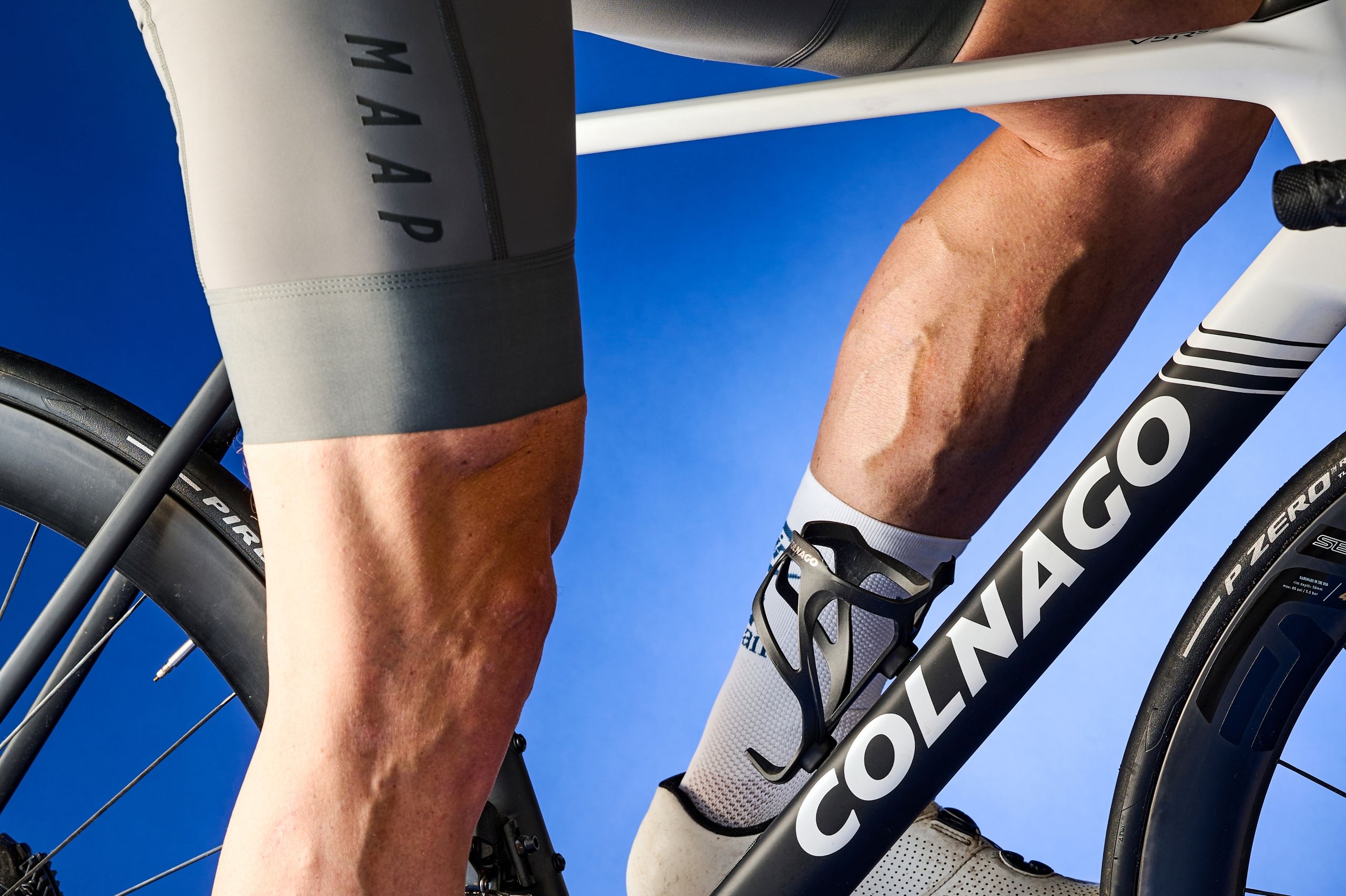
Visible veins in cyclists are commonly a sign of healthy vascular adaptation rather than an indication of disease. Due to low body fat, increased blood volume, and repetitive muscular contractions, cyclists often develop prominent veins, particularly in the legs. These veins reflect efficient circulation and well-developed musculature, with experts like Dr Peter Finigan emphasising that such vascular features are typically a positive outcome of intense training rather than a cause for concern. The distinction between healthy visible veins and varicose veins is crucial. Varicose veins occur when vein valves weaken, causing blood to pool and the veins to become swollen, twisted, and sometimes painful. While cycling generally promotes good vein health through muscle contractions that aid blood flow, high training loads and sustained climbing can temporarily increase venous pressure and make veins appear more pronounced. Cyclists should remain vigilant for symptoms such as persistent swelling, pain, or skin changes, which may signal underlying venous problems requiring medical attention. Scientific research supports the benefits of regular aerobic exercise like cycling in improving venous return and overall circulatory efficiency. Studies have demonstrated that rhythmic leg muscle contractions enhance the muscular pump mechanism, which helps push blood back to the heart. However, genetic predisposition plays a significant role in vein health, and some elite endurance athletes may have a slightly higher risk of developing varicose veins despite their fitness levels. Preventative measures for maintaining vein health include regular exercise, hydration, and avoiding prolonged immobility, especially during travel. Modern treatments for varicose veins are minimally invasive and allow for quick recovery, enabling cyclists to return to training swiftly. Experts recommend early assessment and intervention to prevent minor vein issues from progressing into more serious vascular conditions. In summary, visible veins in cyclists are largely a reflection of fitness and vascular efficiency rather than disease. Maintaining vein health through appropriate exercise, hydration, and awareness of symptoms is key for long-term performance and well-being. When necessary, effective medical treatments are available, ensuring that vein problems do not hinder a cyclist’s active lifestyle.