bicycle news article header featuring cycling news, bike updates, reviews and industry insights

News Menu

latest eBike news aggregator covering electric bike updates, reviews and industry trends
Click for eBike News
electric motocross news feed with latest dirt bike updates, reviews and industry insights
Click for eMotocross News
latest eScooter news aggregator featuring electric scooter news feed, updates, reviews and industry trends
Click for eScooter News
electric vehicle news aggregator featuring latest EV updates, charging and technology news
Click for EV news
Article By:
Cycling Weekly
2026-05-19 19:06:19

'The women’s event should be the feature event of the day': How the Philadelphia Cycling Classic made prize parity a tradition

Summary By: eMotoX
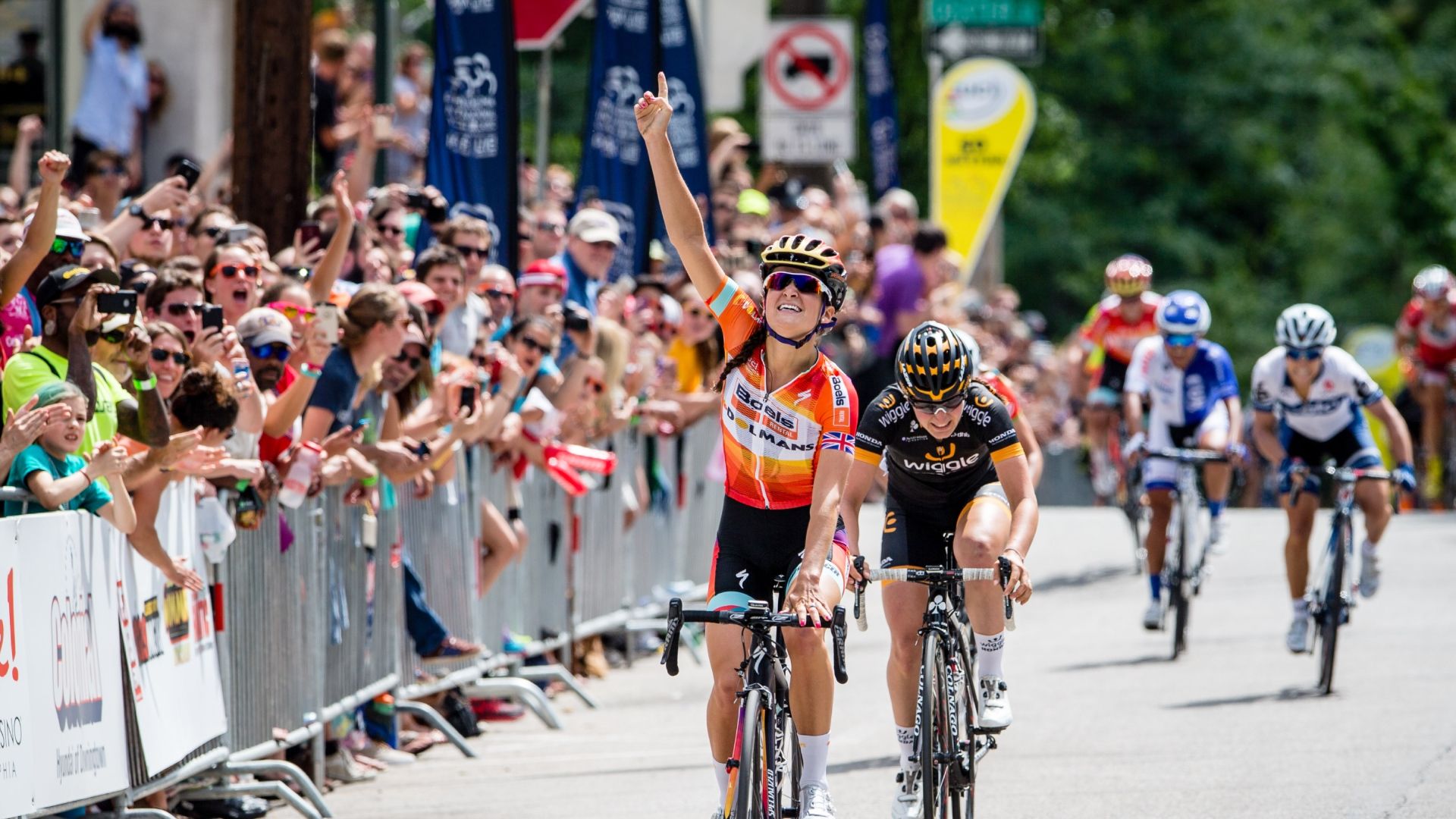
The Philadelphia Cycling Classic is set to return this August after a decade-long hiatus, reigniting one of America’s most cherished road races. Established in 1985 for men and expanded to include a women’s race in 1994, the event is renowned for its challenging Manayunk Wall climbs and enthusiastic local support. This year’s race will feature top professional teams on both the men’s and women’s sides, including EF Education EasyPost and CANYON//SRAM, underscoring its status as a premier cycling event in the United States. A defining feature of the Philadelphia Cycling Classic is its commitment to prize parity, offering equal prize money of $75,000 for both the men’s and women’s races. This figure notably exceeds the purses of many other prominent American races, such as the Redlands Bicycle Classic and the Maryland Cycling Classic. The race’s title sponsor, AmeriGas, and its parent company UGI Corporation have expressed strong support for equal pay, highlighting its significance as a core value of the event. The tradition of prize parity at the Philadelphia Cycling Classic dates back to 2013, influenced heavily by former Philadelphia mayor Michael Nutter and his wife Lisa, a former world champion cyclist. Race director Robin Morton emphasises that the women’s race has long been viewed as the headline event, with equal pay reflecting a broader push within the sport to elevate women’s cycling. This movement aligns with global trends, including initiatives by Flanders Classics to close the pay gap in major European races. Despite these advances, Morton acknowledges that significant disparities remain across the cycling world, citing the stark contrast in prize money between the men’s and women’s winners at the Tour de France. Nonetheless, the Philadelphia Cycling Classic stands as a beacon for progress, demonstrating how local leadership and sponsorship can foster equality. The event, scheduled for 30 August and to be broadcast live on Channel 6 ABC, represents a vital step in promoting gender parity in professional cycling within the United States.