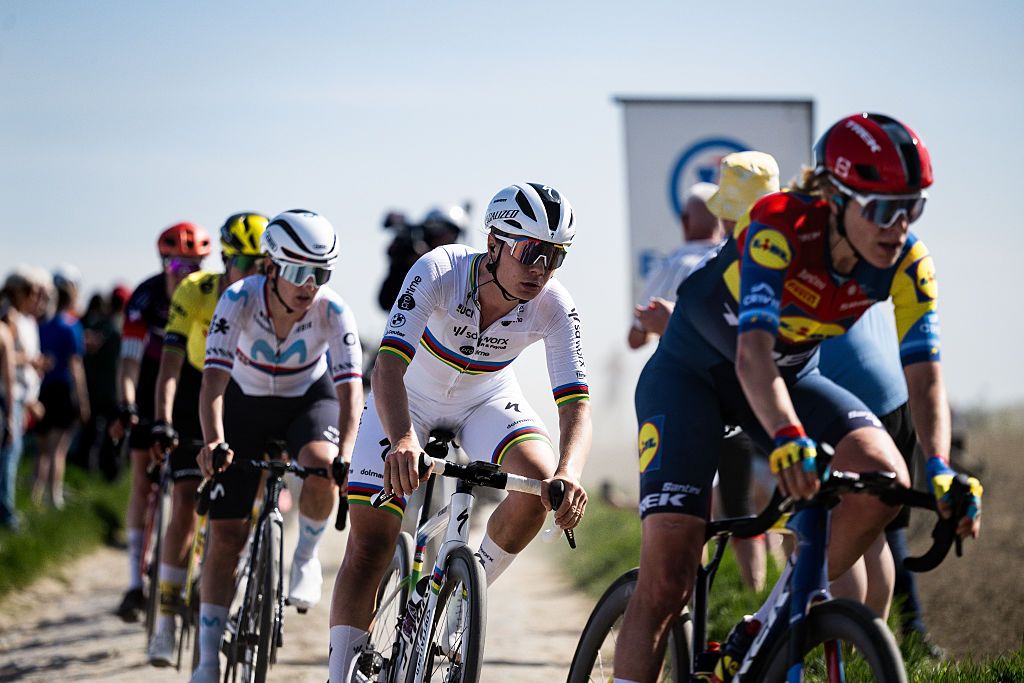
Summary By: eMotoXFor the first time since its inception six years ago, the Paris-Roubaix Femmes will be held on the same day as the men’s race, marking a significant change in the event’s scheduling. Previously, the women’s race had its own dedicated day on Saturday, allowing it to enjoy undivided attention from fans and media alike. This year, however, the organisers, ASO, have opted to run both races on Sunday, citing logistical and policing costs associated with closing roads for two consecutive days. The race day will be even busier, with junior and under-23 men’s events also scheduled before the elite competitions, culminating in a packed programme at the Roubaix velodrome.
Holding both races on the same day is a common practice among major Classics, with Paris-Roubaix previously being an exception. Combining the events is expected to boost spectator numbers and television audiences, creating a crescendo of racing excitement that can benefit both races. Fans attending in person may find it easier and more appealing to witness multiple races in a single outing, potentially increasing roadside crowds, especially for the women’s race, which traditionally attracts smaller audiences. The atmosphere at iconic sections like the Carrefour de l’Arbre and the velodrome is anticipated to be electric, with the women’s race benefiting from the larger, more engaged crowds drawn by the men’s event.
Despite these advantages, there are concerns about the impact on the women’s race’s visibility and coverage. Sharing the day means the women’s and men’s races will overlap on television, forcing fans to choose which race to watch at key moments, unlike previous years when each race had its own broadcast window. This could dilute the focus on the women’s event and reduce the depth of coverage it receives, potentially disadvantaging dedicated followers of women’s cycling. While higher peak viewing figures are expected during the women’s finish, this may come at the expense of missing crucial parts of both races, a trade-off that has sparked debate among enthusiasts and commentators.
Another potential downside relates to fan behaviour, with some observers worried that the women’s race, scheduled at the end of a long day of racing and festivities, might face issues linked to alcohol-fuelled crowd disturbances, as seen at other Classics like the Tour of Flanders. This raises questions about whether the timing might affect the race’s atmosphere and safety. Nonetheless, the integration of the women’s race into the broader Paris-Roubaix festival underscores its growing stature and the progress made towards gender equality in cycling, even if the format change presents both opportunities and challenges for the sport’s development.