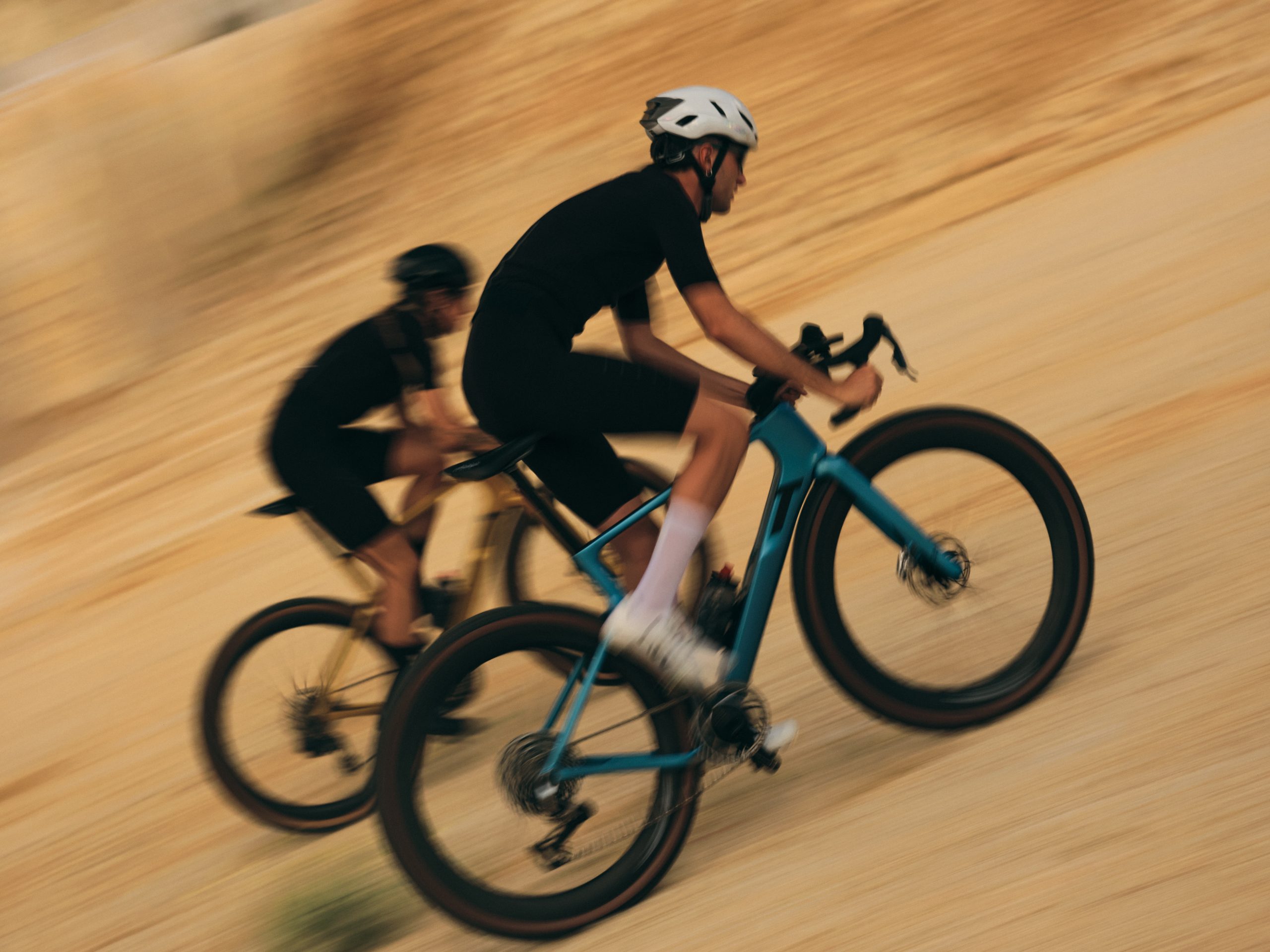
bicycle news article header featuring cycling news, bike updates, reviews and industry insights

News Menu

latest eBike news aggregator covering electric bike updates, reviews and industry trends
Click for eBike News
electric motocross news feed with latest dirt bike updates, reviews and industry insights
Click for eMotocross News
latest eScooter news aggregator featuring electric scooter news feed, updates, reviews and industry trends
Click for eScooter News
electric vehicle news aggregator featuring latest EV updates, charging and technology news
Click for EV news
Article By:
Cyclist
2026-04-08 13:37:05

Tech Talk: I’ve built the bike to win Paris-Roubaix

Summary By: eMotoX
A professional cyclist has revealed the technical innovations behind his custom-built bike designed specifically to conquer the notoriously challenging Paris-Roubaix race. Emphasising durability and performance on the cobbled sectors, the bike features a simplified 1x chainring setup aimed at reducing mechanical issues and improving reliability over the punishing terrain. The rider has chosen the Cervélo Soloist frame, known for its combination of stiffness and compliance, to balance speed with comfort during the gruelling race. Key components include the innovative Gravaa tyre pressure adjuster, which allows the rider to fine-tune tyre pressure on the fly, adapting to varying cobble conditions without stopping. This technology is particularly significant given the race’s unpredictable surface, where optimal tyre pressure can mean the difference between maintaining momentum and risking punctures or loss of control. The choice of tyres and their pressure management is critical in Paris-Roubaix, often dubbed the "Hell of the North" for its rough cobbled roads. The rider’s approach reflects a broader trend in professional cycling towards bespoke equipment tailored to specific race demands, highlighting how marginal gains in technology and setup can influence outcomes in elite competition. The integration of advanced materials and smart components underscores the evolving relationship between rider skill and mechanical innovation. This bike not only represents a personal project but also a potential blueprint for future race-specific designs in the sport. Looking ahead, the success of this bike in Paris-Roubaix could inspire further development in adaptive cycling technologies, particularly those that enhance rider control and comfort on extreme terrain. Teams and manufacturers may increasingly invest in adjustable systems and simplified drivetrains to optimise performance in classic races. The rider’s confidence in the bike’s capabilities sets a high benchmark for competitors aiming to tackle one of cycling’s most demanding challenges.