Article By:
Cycling Weekly
2026-04-14 12:55:03
Sunday showed Paris-Roubaix Femmes deserves its own day – let’s not settle for reduced coverage for the best race of the year
Summary By: eMotoX
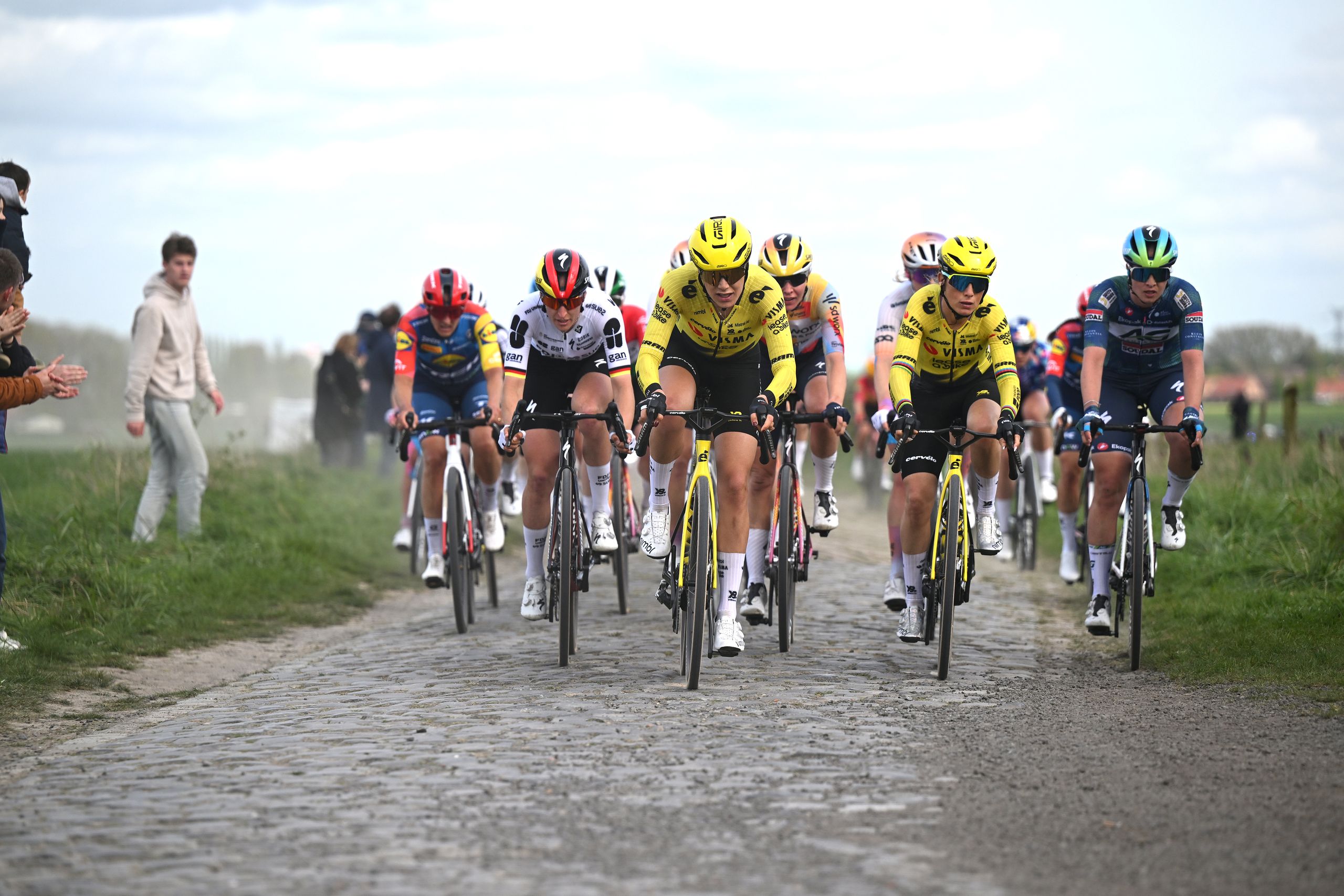
Paris-Roubaix Femmes once again demonstrated its status as one of the most compelling races in the cycling calendar, with Franziska Koch’s thrilling sprint victory over Marianne Vos capturing the imagination of fans. However, this year’s decision by race organisers ASO to hold the women’s event on the same day as the men’s Paris-Roubaix, rather than giving it a dedicated day as in previous editions, sparked significant criticism. The overlap diluted the women’s race’s impact, limiting media coverage and forcing it to share attention with the men’s event and junior races.
The compressed schedule resulted in markedly reduced television coverage for the women’s race, with only around 50 kilometres broadcast live, compared to full coverage of the men’s race and even the junior men’s events. This disparity was widely condemned, including by Deena Blacking, managing director of The Cyclists’ Alliance, who described it as a “massive affront to women’s cycling.” Journalistic resources were also stretched thin, with fewer photographers and reporters assigned to the women’s race, leading to less exposure and fewer detailed reports in the media, exemplified by the stark contrast in coverage between the men’s and women’s races in French newspaper L’Équipe.
Riders and advocates expressed frustration at the decision to run both races concurrently. Movistar’s Carys Lloyd lamented the reduced live streaming and questioned the logic of prioritising junior men’s races over the elite women’s event. Grace Brown, president of The Cyclists’ Alliance and former professional cyclist, argued that the current format stifles the growth of women’s racing by forcing it into the men’s shadow and falsely assuming that women’s races only attract viewers when held alongside men’s events. She pointed to the success of standalone women’s races such as the Tour de France Femmes as evidence that women’s cycling can command its own audience.
The logistical challenges of covering two high-profile races simultaneously were evident, with media personnel struggling to provide comprehensive reporting and live updates from both events. This situation highlighted the need for organisers to reconsider the scheduling to ensure the women’s race receives the dedicated attention it deserves. While financial constraints may currently limit the feasibility of separate race days, stakeholders emphasise the importance of striving to restore Paris-Roubaix Femmes to its own day, rather than settling for reduced coverage and diminished prominence.
Ultimately, Paris-Roubaix Femmes proved once again that it merits a standalone place in the cycling calendar. The race’s thrilling competition and passionate following underline the necessity of providing it with the platform to flourish independently. The current approach risks undermining the progress made in women’s cycling and fails to capitalise on the growing interest in elite women’s racing, signalling a call to action for organisers, broadcasters, and sponsors alike.