bicycle news article header featuring cycling news, bike updates, reviews and industry insights

News Menu

latest eBike news aggregator covering electric bike updates, reviews and industry trends
Click for eBike News
electric motocross news feed with latest dirt bike updates, reviews and industry insights
Click for eMotocross News
latest eScooter news aggregator featuring electric scooter news feed, updates, reviews and industry trends
Click for eScooter News
electric vehicle news aggregator featuring latest EV updates, charging and technology news
Click for EV news
Article By:
Cycling Weekly
2026-06-10 13:00:00

Small cycling brands are becoming the bike industry's loudest advocates

Summary By: eMotoX
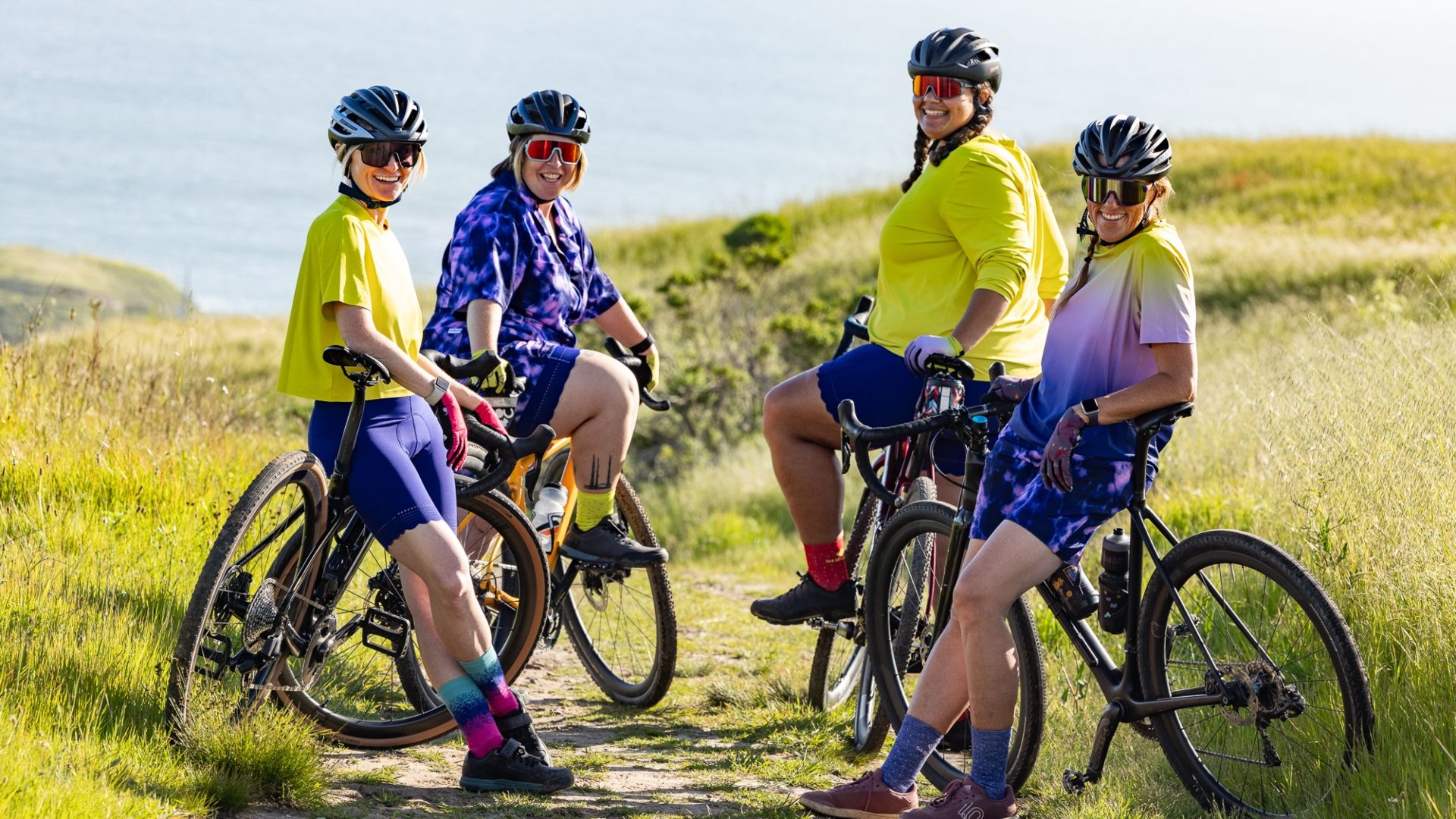
Small cycling brands are emerging as some of the most vocal advocates within the bike industry, often stepping into roles that larger companies are unable or unwilling to fill. Cassie Abel, founder of women’s cycling apparel brand Wild Rye, exemplifies this trend, balancing product development with active lobbying on trade policy and public land protection. Abel’s experience highlights how smaller businesses are increasingly forced to engage in advocacy efforts to protect their survival amid challenges such as tariffs, inflation, and shifting regulations. The recent tariff disputes have underscored the unique difficulties faced by apparel brands in the cycling sector, which cannot simply relocate production to avoid costs as larger manufacturers might. Abel’s intervention at the People for Bikes Leadership Conference led to the formation of an apparel working group, ensuring that the specific needs of clothing brands receive attention alongside those of bike manufacturers. This advocacy is crucial because the cycling industry encompasses more than just bicycles; it includes a complex ecosystem of products and services that require tailored policy understanding. Small brands like Wild Rye and SHREDLY often take public stances on social and environmental issues, ranging from reproductive rights to size inclusion, reflecting the personal values of their founders. Unlike large corporations bound by shareholder interests, these founder-led businesses can move quickly and make bold decisions aligned with their principles. However, this advocacy comes at a cost, demanding significant time, energy, and resources, which can strain smaller operations already navigating economic uncertainty. Despite the challenges, advocacy can serve as a form of authentic marketing, resonating with consumers who increasingly expect brands to embody their values. Research indicates that younger generations, including Millennials and Gen Z, prioritise purchasing from companies that align with their beliefs, providing a potential advantage for small brands willing to champion causes. As the industry evolves, these smaller players may continue to shape the future of cycling not only through innovation but also through their commitment to social and political engagement.