Article By:
Cycling Weekly
2026-06-03 14:30:00
Resistance training can boost your riding power - but do you need to do it in the gym?
Summary By: eMotoX
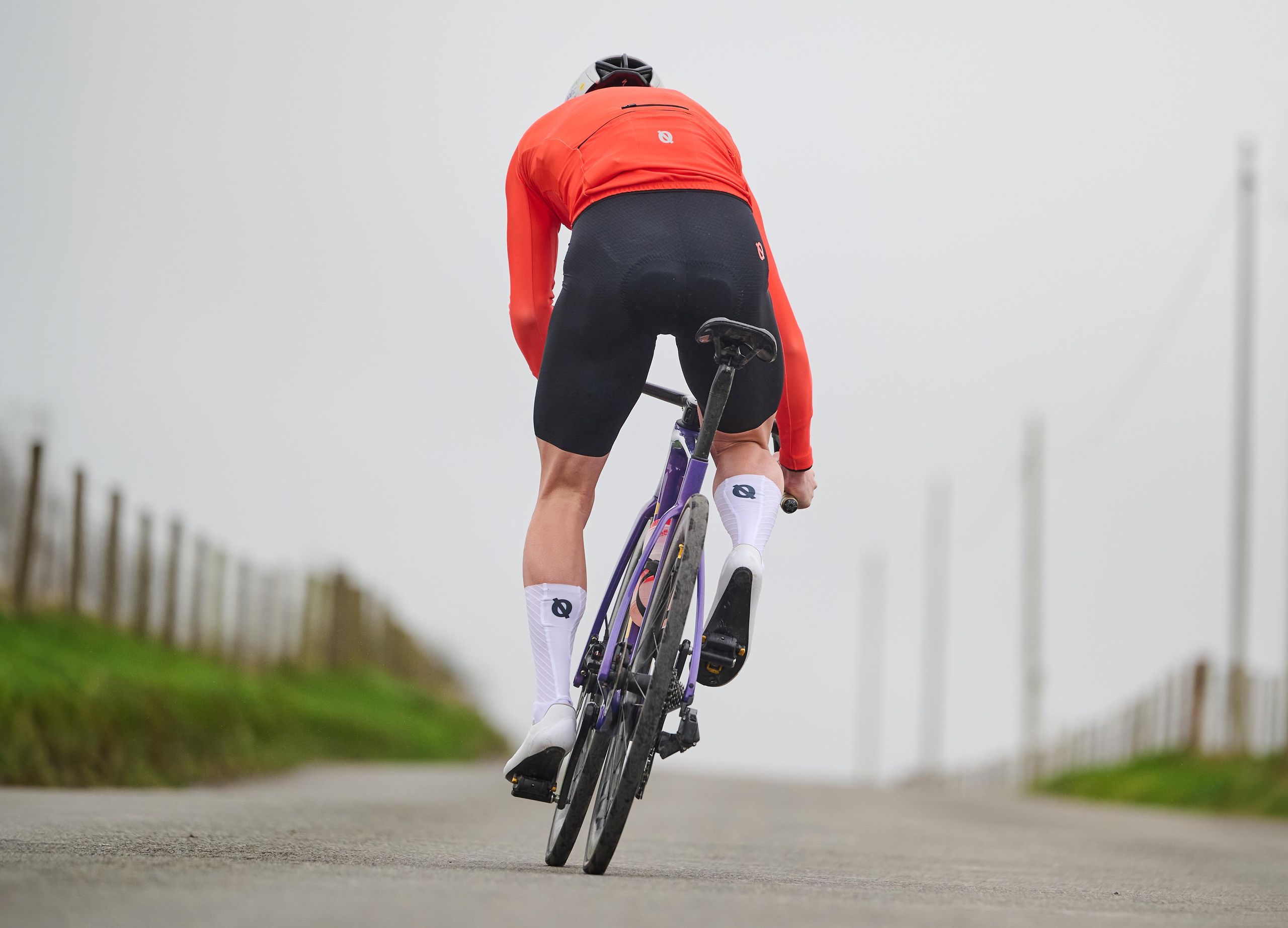
Recent research has shed new light on the benefits of resistance training for cyclists, comparing traditional gym-based strength exercises with on-bike methods. A 2025 study published in Biology of Sport evaluated the effects of heavy squats versus high-intensity, low-cadence pedalling on trained male cyclists over ten weeks. Both approaches led to significant improvements in quadriceps muscle size and strength, with the on-bike group also experiencing increased tendon thickness without added discomfort. These findings suggest that cyclists can achieve comparable performance gains either by lifting weights in the gym or by performing targeted strength work on their bikes.
The study involved 37 male cyclists divided into three groups: one performing weighted squats, another doing maximal pedal strokes at low cadence on a steep gradient, and a control group maintaining their usual training. Both resistance training groups showed enhanced muscle strength and size, while the control group did not. Notably, the on-bike training method offers a practical alternative for amateurs who may lack time or access to gym facilities, providing similar benefits in maximum sustainable power and endurance. However, the research also highlighted the importance of maintaining resistance training, as ceasing such work led to declines in muscle mass and strength.
Expert commentary from Sebastian Sitko, a coach and researcher specialising in cycling strength, emphasises the nuanced nature of strength in cycling. He distinguishes between neuromuscular power—crucial for sprints and explosive efforts—and functional torque, which supports sustained efforts like climbing steep gradients. Sitko explains that gym-based strength training increases a cyclist’s overall force capacity, effectively raising their “force ceiling,” which in turn improves metabolic efficiency and delays fatigue during prolonged efforts. This underscores the value of off-bike strength work for endurance performance.
Sitko also highlights the complementary roles of gym and on-bike training. While gym sessions allow for maximal overload through heavy compound lifts, building structural integrity and connective tissue strength, on-bike training “tunes” this strength for the specific demands of cycling. Pedalling at low cadence in a hard gear recruits muscles differently and helps translate gym gains into cycling-specific power. Ultimately, a balanced approach incorporating both methods may offer the best pathway for riders seeking to enhance their power and endurance on the bike.
The implications for cyclists, particularly amateurs with limited training time, are clear: resistance training is essential for improving riding power and endurance, and it need not be confined to the gym. On-bike torque training presents a viable, time-efficient alternative that can fit seamlessly into regular cycling routines. Maintaining consistent resistance work, whether through gym sessions or targeted pedal drills, is crucial to sustaining these performance benefits over time.