bicycle news article header featuring cycling news, bike updates, reviews and industry insights

News Menu

latest eBike news aggregator covering electric bike updates, reviews and industry trends
Click for eBike News
electric motocross news feed with latest dirt bike updates, reviews and industry insights
Click for eMotocross News
latest eScooter news aggregator featuring electric scooter news feed, updates, reviews and industry trends
Click for eScooter News
electric vehicle news aggregator featuring latest EV updates, charging and technology news
Click for EV news
Article By:
Cycling Weekly
2026-06-08 11:13:56

‘Now everyone knows these bikes are very light. Shame the athlete had to pay so harshly for that’: Undercover Mechanic on that Giro d’Italia Women disqualification

Summary By: eMotoX
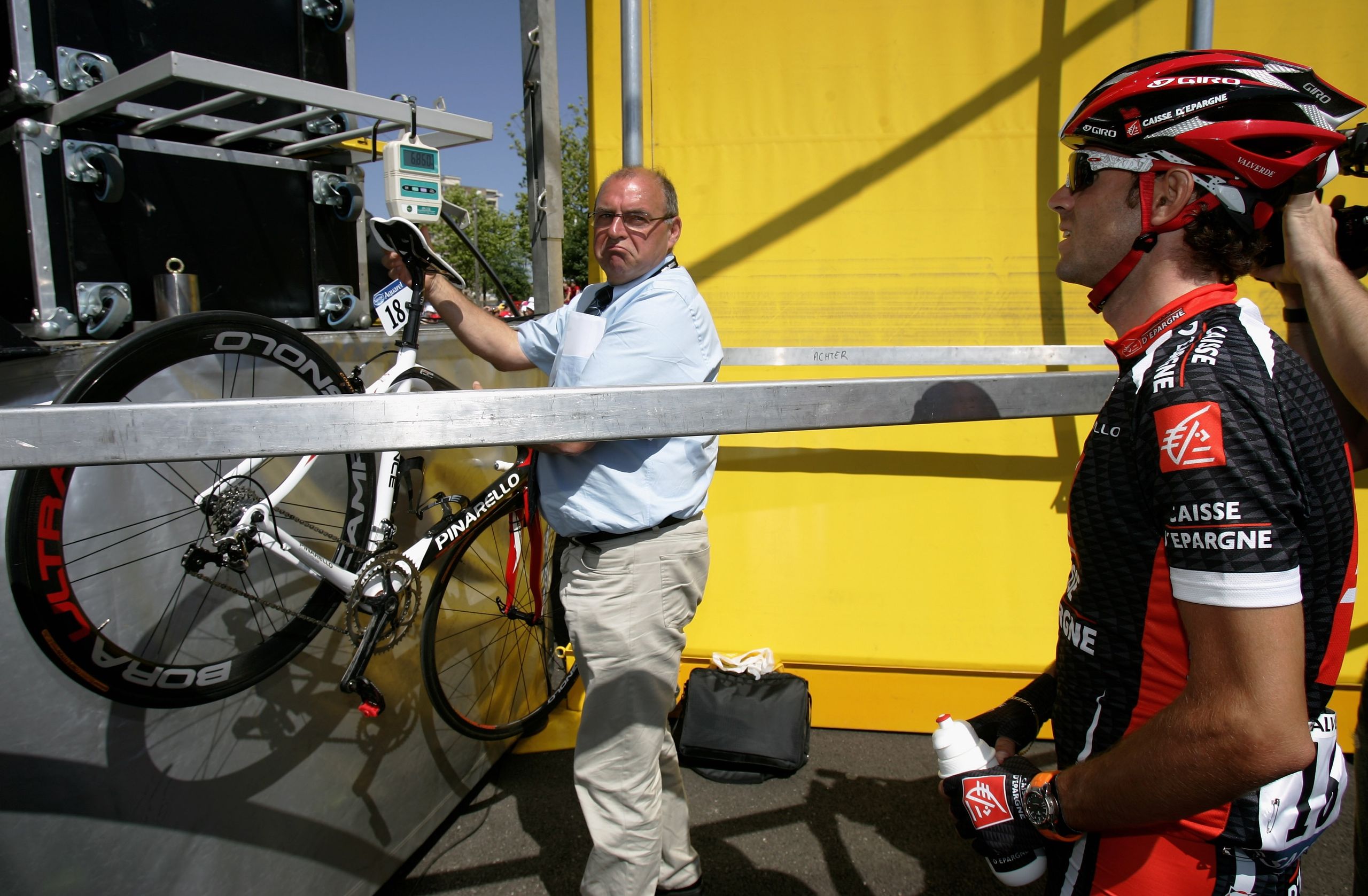
Lorena Wiebes’ disqualification from the Giro d’Italia Women after her bike was found to be 20 grams under the UCI’s minimum weight limit of 6.8 kilograms has sparked significant debate within the cycling community. The ruling led to her losing a stage victory, despite widespread opinion that the slight weight discrepancy had no impact on her sprint performance. The enforcement of this rule, however, highlights a strict adherence to regulations, regardless of the seemingly negligible advantage gained. The minimum bike weight rule has been in place since 2000 and was originally designed for heavier steel and aluminium frames. Cycling experts and insiders, including UCI technical manager Mark Barfield, have described the rule as outdated and ill-suited to modern lightweight materials and designs. Moreover, the rule disproportionately affects smaller riders, particularly women, as the fixed weight limit does not account for variations in rider body weight or frame size, leading to calls for a more nuanced approach. Enforcing such regulations falls to local commissaires, who are often volunteers with limited resources and expertise, tasked with making quick judgements in high-pressure environments. This has raised questions about the fairness and practicality of rigid rules that leave little room for discretion. Suggestions have been made for a sliding scale or proportional system that would adjust minimum weight limits based on rider characteristics, or for less severe penalties such as time deductions rather than outright disqualification. Ultimately, the incident underscores a tension between the sport’s evolving technology and the governing body’s regulatory framework. Teams and manufacturers continuously push the limits of bike design to gain competitive edges, sometimes skirting the boundaries of existing rules. While the enforcement of these rules is necessary to maintain fairness, the case of Wiebes reveals the need for updated regulations that better reflect the realities of contemporary cycling and ensure that athletes are not unfairly penalised for marginal infractions.