Article By:
CyclingNews
2026-05-13 09:51:53
No team, no salary, no bike – The reality for cycling's 'free agents' who find themselves without a contract but still want to race
Summary By: eMotoX
The precarious position faced by professional cyclists who find themselves without a contract at the end of a season is a rarely discussed but significant issue within the sport. While WorldTour riders often enjoy the security of multi-year deals and access to top-tier resources, many athletes become "free agents" once their contracts expire, confronting uncertainty over their future, finances, and even access to essential equipment. This limbo can last for months, during which riders lose access to coaching, training platforms, and sometimes their team bikes, complicating efforts to maintain form and secure new contracts.
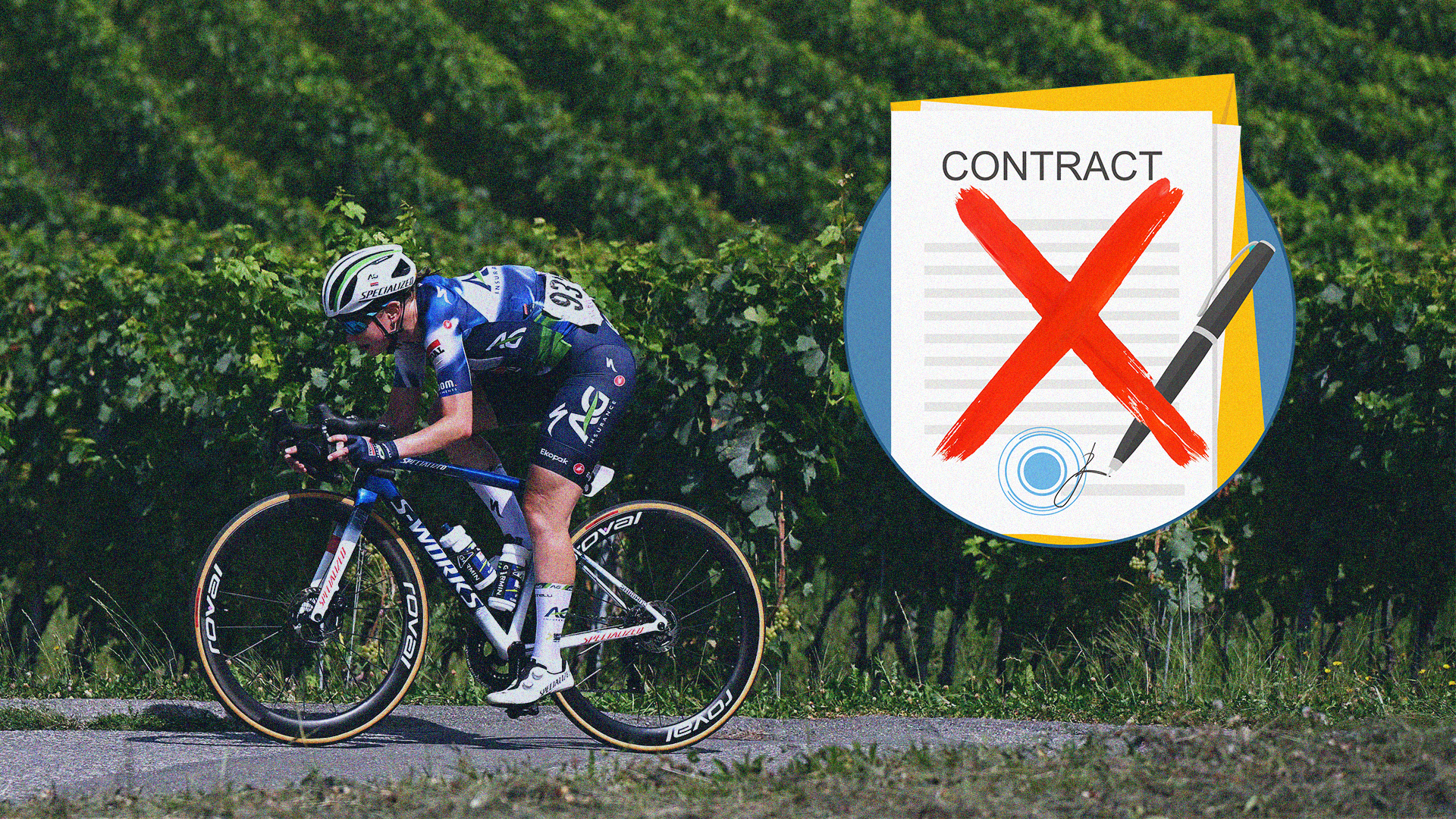
Swedish rider Julia Borgström’s experience exemplifies the challenges faced by many in this situation. After five years with AG Insurance-Soudal, including appearances at prestigious races like Paris-Roubaix and the Tour de France Femmes, Borgström was informed late in the 2025 season that her contract would not be renewed. Despite her dedication and passion, she received no explanation for the decision, highlighting the harsh business realities of professional cycling. Borgström’s subsequent attempts to find a new team were hindered by a combination of factors, including her recent battle with Relative Energy Deficiency in Sport (RED-S), which affected her performance data and marketability.
The practical difficulties extend beyond contract negotiations. Riders typically do not own their team bikes, which are recalled by teams soon after the racing season ends, leaving unattached cyclists without the necessary equipment to train or compete. Although contracts officially run until the end of December, many benefits and resources are withdrawn earlier, forcing riders into a challenging transition period. This gap can stall their careers and diminish their chances of securing new deals, especially when performance metrics do not fully reflect their potential due to health or training disruptions.
Borgström’s candid reflections underscore the emotional and professional toll of this uncertain phase. While she expressed understanding of the commercial imperatives behind contract decisions, the lack of feedback left her searching for ways to improve and prove her worth. Her willingness to step down to Continental teams, often seen as a fallback for riders leaving the WorldTour, was met with assumptions about her attitude rather than recognition of her commitment. This reveals a broader stigma and misunderstanding around riders caught in the free-agent cycle, complicating their efforts to remain in the sport.
The situation highlights the need for greater support and transparency for professional cyclists navigating contract expirations. As the sport continues to grow and budgets increase, ensuring that riders are not left stranded without resources or guidance is crucial for maintaining the talent pipeline and the wellbeing of athletes. Without such measures, many promising careers risk being prematurely derailed by circumstances beyond the riders’ control.