Article By:
CyclingNews
2026-04-10 08:29:58
Lab tested: How does your pedalling technique change as you ride on cobbles, and how can that affect a pro rider's equipment choice?
Summary By: eMotoX
Riding on cobbled surfaces significantly alters a cyclist’s pedalling technique and body positioning, with direct consequences for professional riders’ equipment choices. The notoriously rough and uneven nature of cobbles demands riders to adapt their posture to better absorb shocks and maintain momentum, often resulting in a more forward-leaning position and altered weight distribution. These changes can influence decisions around tyre pressure, bike setup, and even clothing, as riders seek to optimise comfort and efficiency over the punishing terrain.
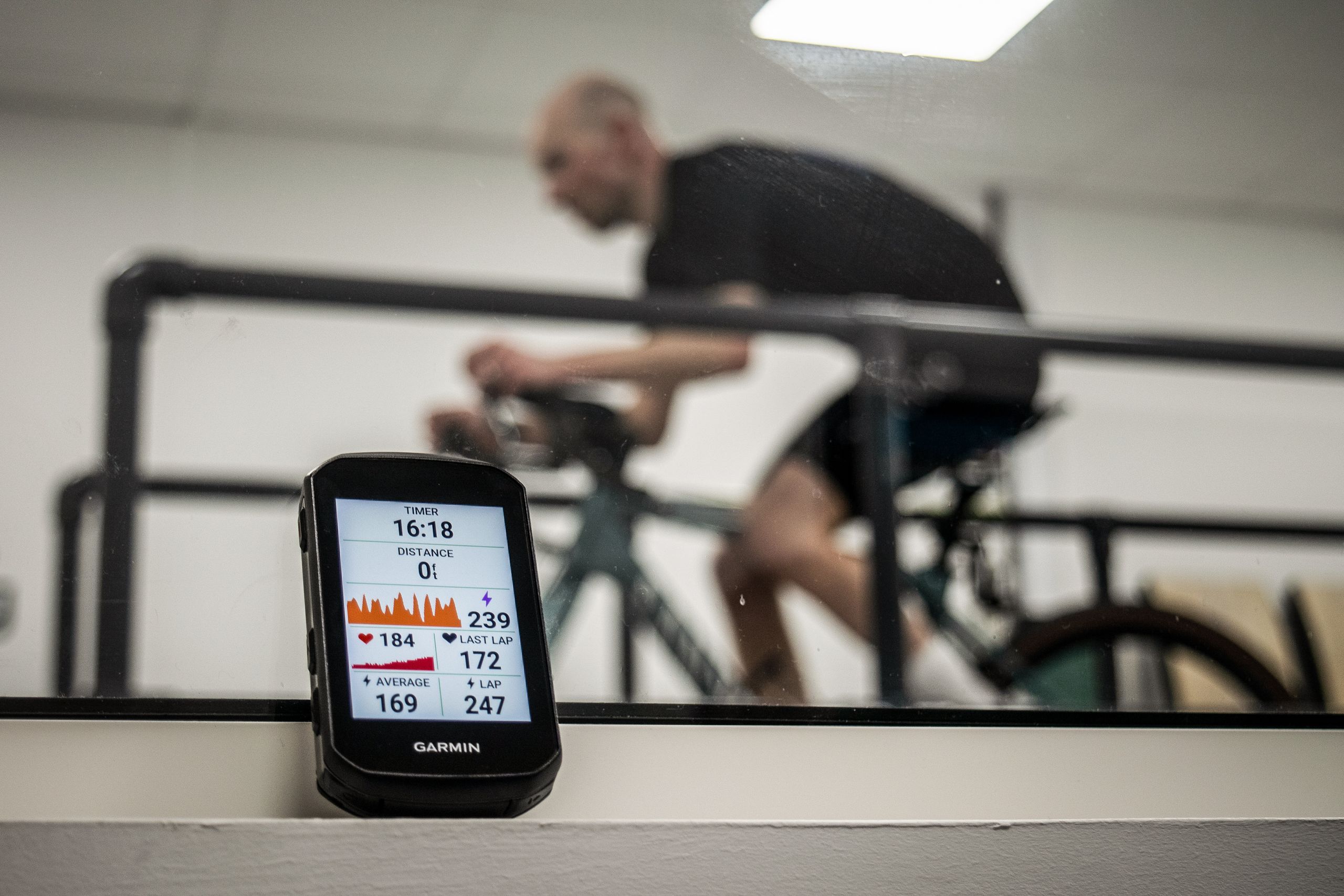
To investigate these adaptations, Cyclingnews conducted controlled laboratory tests using the Pedalling Efficiency Rig at Silverstone Sports Engineering hub. Their test rider, Tom Wieckowski, covered over 70km in different conditions, including smooth tarmac and cobbles, at varying speeds and tyre pressures. The study measured a range of factors such as power output, saddle pressure distribution, weight balance across pedals and handlebars, and pedalling smoothness, providing detailed insights into how riding dynamics shift between surfaces.
The findings revealed that on cobbles, Tom’s saddle position became less stable, shifting from a consistent pressure point on smooth tarmac to a more diffuse pattern caused by the impacts. His average position moved significantly forward on the saddle with increased speed, reflecting the greater effort required to maintain pace over the rough surface. Weight distribution also changed, with riders tending to unweight the bike more, using their legs and arms as suspension to reduce energy loss. This contrasts with smoother surfaces where positioning and power delivery remain more consistent.
These biomechanical changes have practical implications for professional cyclists and their support teams. Tyre pressures may need to be lowered to improve shock absorption without compromising rolling resistance, while handlebars and bar tape choices can affect grip and comfort on cobbles. Furthermore, clothing and protective gear might be adapted to enhance rider stability and reduce fatigue. Understanding these subtle shifts in technique helps teams tailor equipment setups to optimise performance in cobbled classics and other challenging races.
Overall, the study underscores the complex interplay between rider biomechanics and equipment on difficult terrain. By quantifying how pedalling technique evolves on cobbles, it offers valuable data for riders, coaches, and manufacturers aiming to refine gear choices and training approaches. Future research could expand on these findings by exploring different rider profiles or environmental conditions, further enhancing the science behind cycling performance on demanding surfaces.